In 1946, on a shelf inside tomb S3503 at Saqqara and around the mouth of its shaft, Walter B. Emery found thirteen cone-shaped stoppers of dried mud, the kind pressed onto the necks of jars, and on the best of them a seal had been rolled while the clay was wet so that it left a single line of four serekhs. The first and the fourth belonged to King Djer, and Emery said so at once. The two between them carried no Horus falcon and nothing he read as Djer’s name, and in his excavation report he declined to say whose they were; seven years later, in a general book, he suggested they named Meretneith.
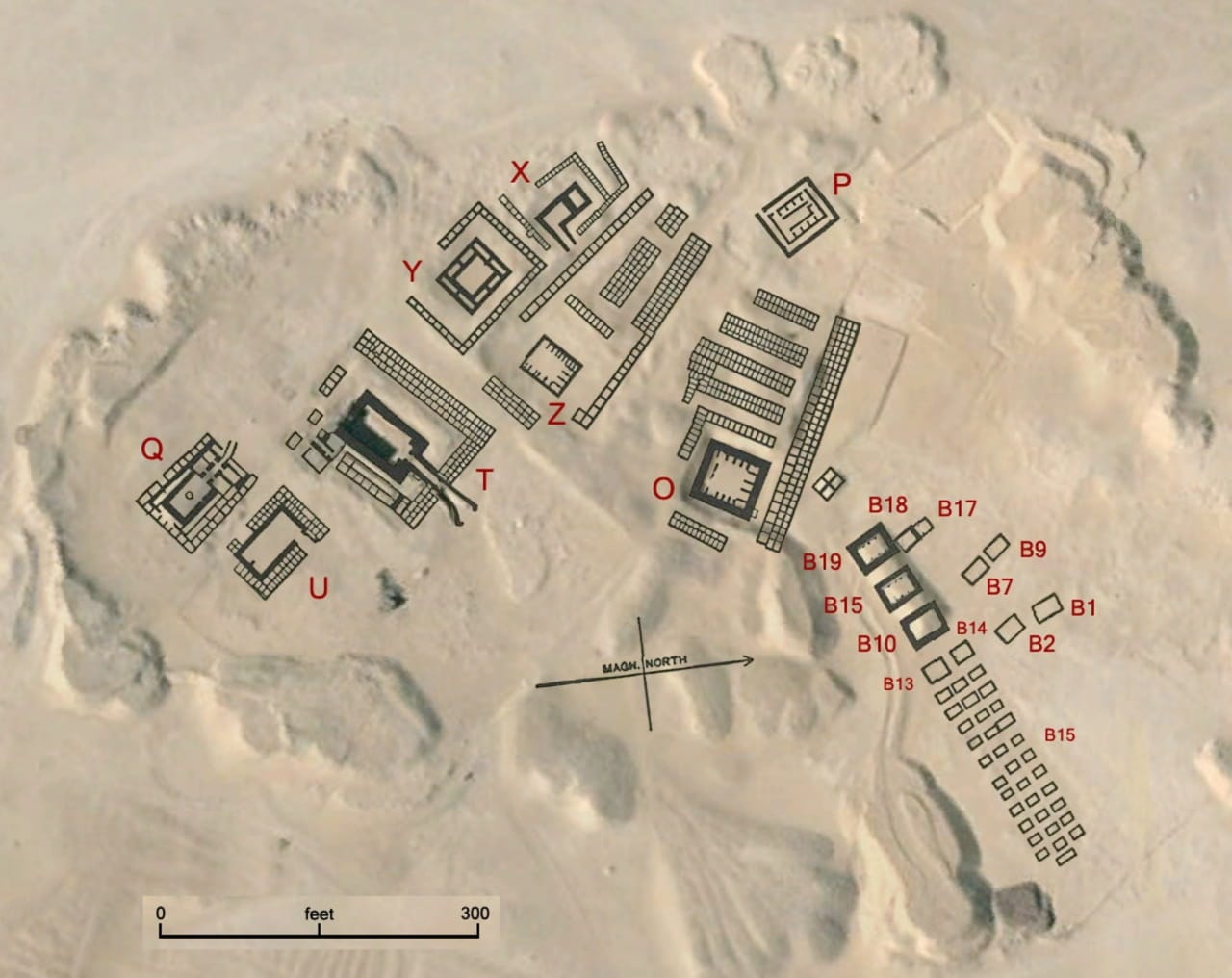
Most people who have met Meretneith at all have met her as a woman standing next to a man. Flinders Petrie, digging tomb Y at Abydos, first took her for a king, “Merneit,” and noted that the name on her stela lacked the customary serekh; once other inscriptions turned up with a feminine ending on the name, she became a queen consort, and later a regent holding the throne for her young son Den. In every version she keeps the seat warm for someone else. A serekh is the frame, modelled on a palace façade and topped by a god, inside which a ruler’s name was written, and it belongs to the person who actually rules. If the second and third impressions at Saqqara name Meretneith, then a woman wore it at the very start of the dynasty, and the regent is the wrong category for at least part of her career.
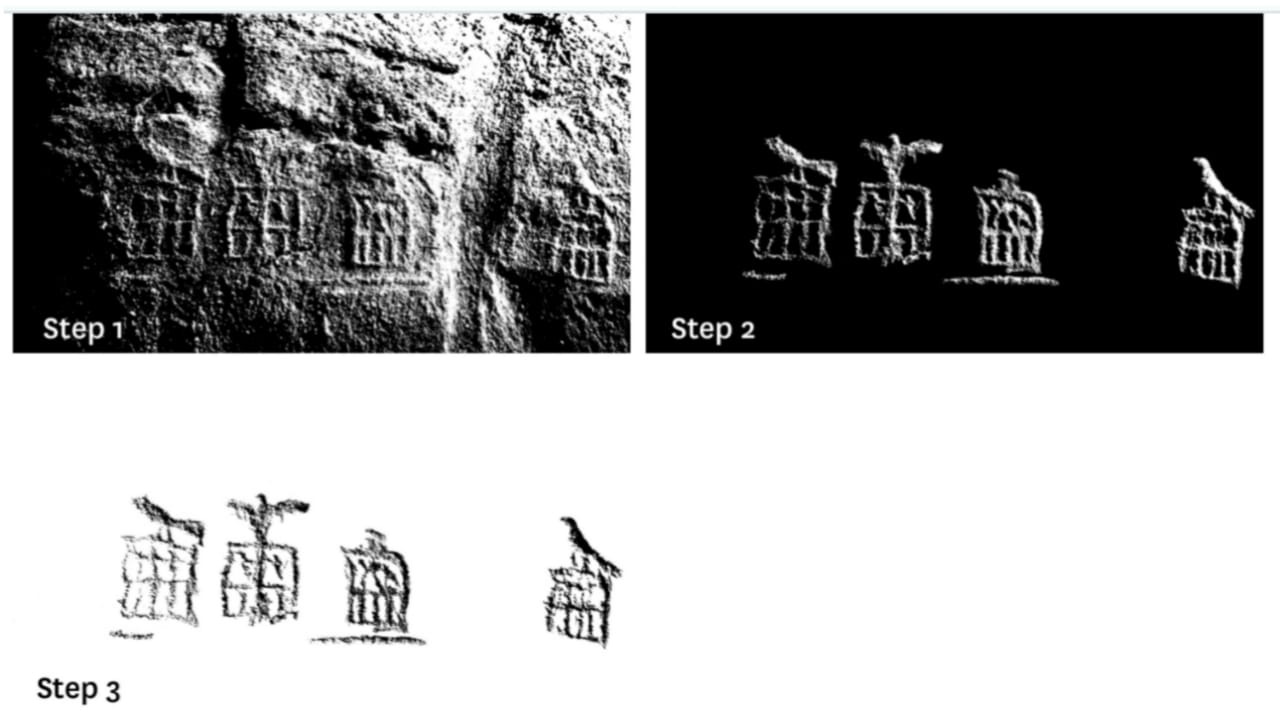
The trouble is that nobody can pick the stopper up. Sue Kelly (Czech Institute of Egyptology, Charles University) and Crystal Miller (University of Bucharest) write in Prague Egyptological Studies1 that neither the sealing nor Emery’s glass plate has been located, so the only surviving evidence is a black-and-white photograph in the excavation archive plus his published line drawing. That was enough for some scholars to accept Emery’s reading and for Peter Kaplony, in 1963, to call the publication unconvincing. Rudolf Anthes doubted that the two repeated signs in the name compartment were the hoe sign at all, and Silke Roth rejected the identification in 1997 on the grounds that Meretneith’s name is spelled differently elsewhere.