

Princess Ita’s right ulna tells a specific story. The muscle attachment sites along its shaft, the ones for the brachialis, the supinator, the muscles that rotate the forearm and stabilize the wrist under load, are markedly more developed than the left. Her humerus shows the same asymmetry. So does the tendon insertion at her fifth metacarpal, on the left hand this time, exactly where you’d expect hypertrophy from a habitual, forceful grip. None of this is subtle. It’s the kind of bone remodeling that shows up when someone does the same demanding physical task, over and over, for years.
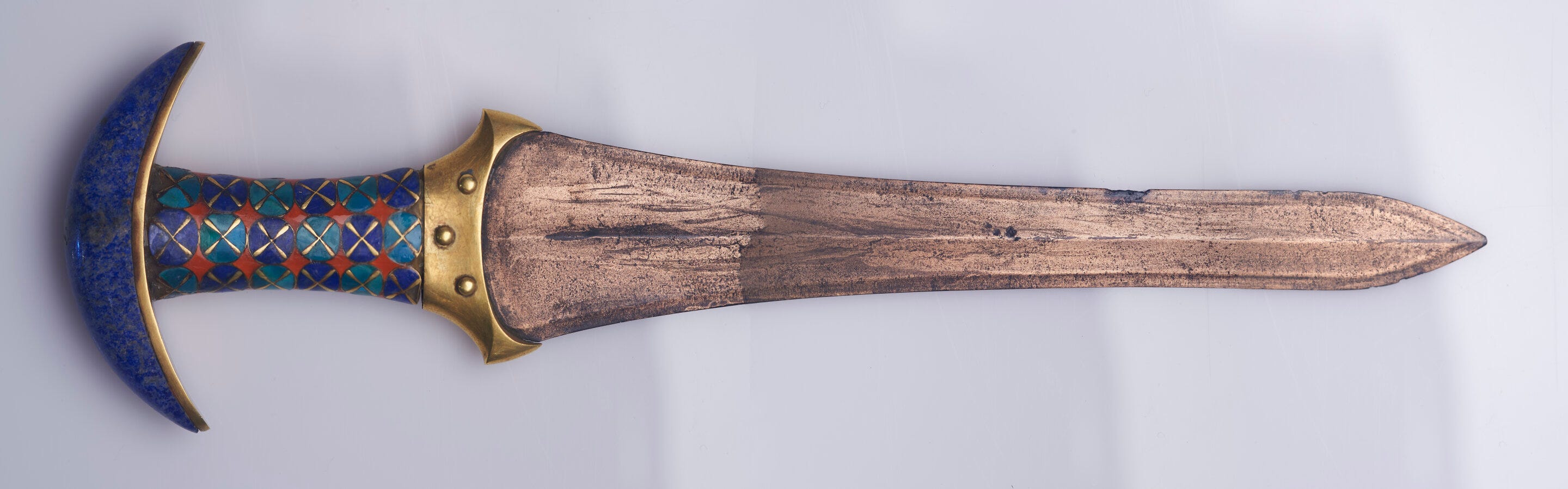
Ita died sometime between 28 and 34 years old, roughly 3,900 years ago, a daughter of the pharaoh Amenemhat II. She was buried with a dagger. Her sister-tomb neighbors, Princesses Khenmet, Itaweret, and a woman likely named Sathathormeryt, were buried with bows, arrows, maces, staves, the full kit of what Egyptologists call “Court Type” regalia, items conventionally read as belonging to men. A new bioarchaeological reassessment, led by Zeinab Hashesh and published in Frontiers in Environmental Archaeology,1 argues that in at least some of these cases, the grave goods weren’t gestures. They matched the bodies they were buried with.


