

The place is named, straightforwardly, Corpse Point. Likneset. A low sediment mound on the eastern shore of Smeerenburgfjorden in northwestern Svalbard, roughly ten meters above the present sea level, facing northwest toward the open Arctic Ocean. At least 225 graves were recorded there in the early 1980s, marked by small stone cairns that once had wooden crosses. Some of those graves were already gone by then, lost to coastal erosion before anyone thought to count them.
The men buried at Likneset died during the seventeenth and eighteenth centuries, during the period when European fleets had moved their whale processing offshore, pelagic, and were using sheltered Svalbard fjords as seasonal anchorages. They died far from wherever they had come from. Their ships went back without them. Someone buried them where they fell.
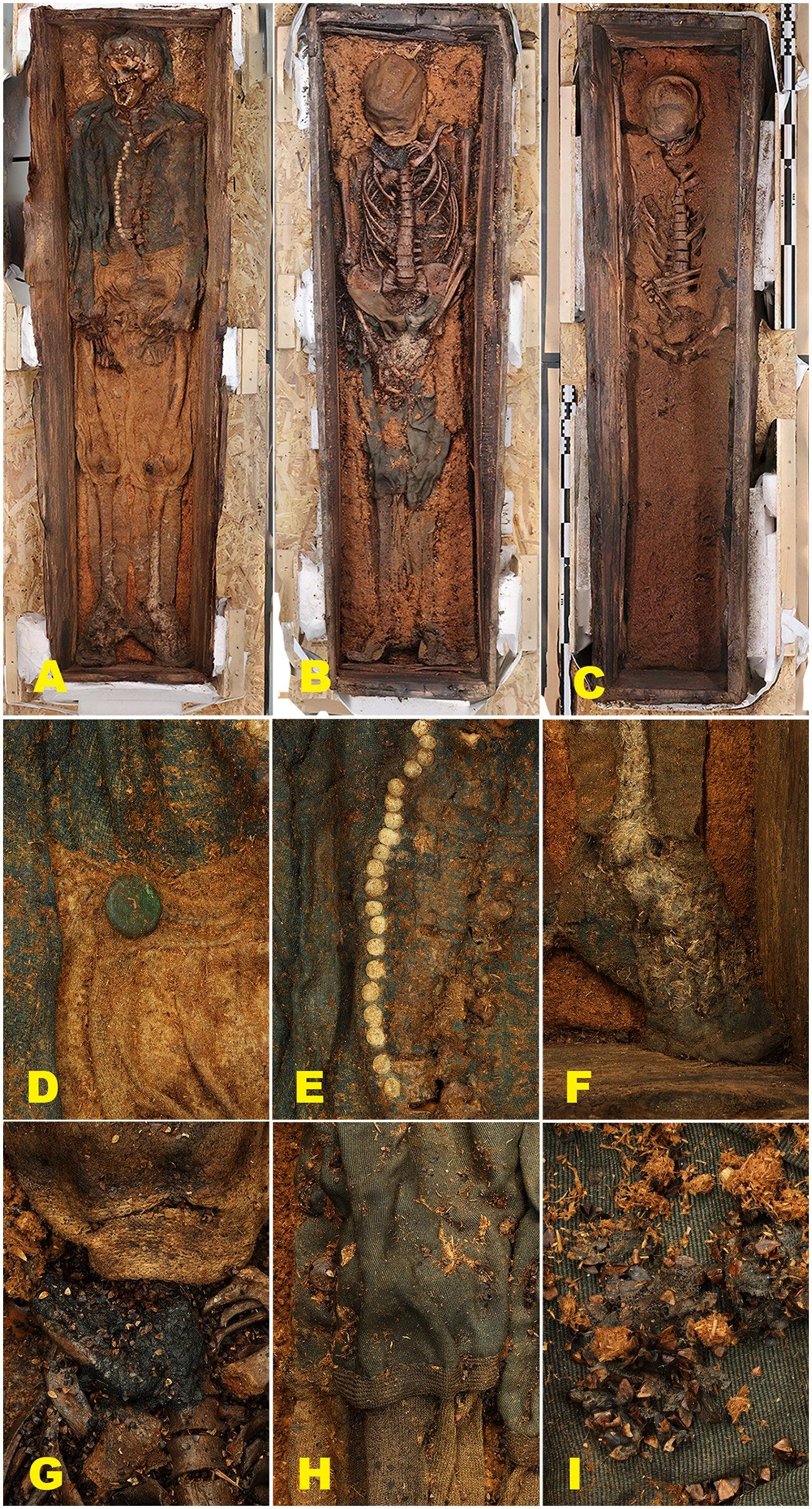
A new study by Lise Loktu of the Norwegian Institute for Cultural Heritage Research and forensic specialist Elin Therese Brødholt of Oslo University Hospital, published this week in PLOS One,1 draws on three decades of excavations at Likneset to address two questions at once: what is the warming Arctic doing to the site, and what do the remains of those men tell us about what it meant to live and die in early modern Arctic whaling?
The answers to both questions are uncomfortable in different ways.


