

A single rib fragment, recovered from a depth of 4.45 meters in Sector XXII of Liang Bua cave, sits at the center of an argument that has been running for over twenty years. It’s the only piece of burned bone out of more than three thousand Stegodon fragments examined in a new study, and even that one specimen turns out to be sitting in the wrong layer, exposed near a geological unconformity where much later, much more recent sediment cuts across much older deposits. The bone probably has nothing to do with Homo floresiensis at all.
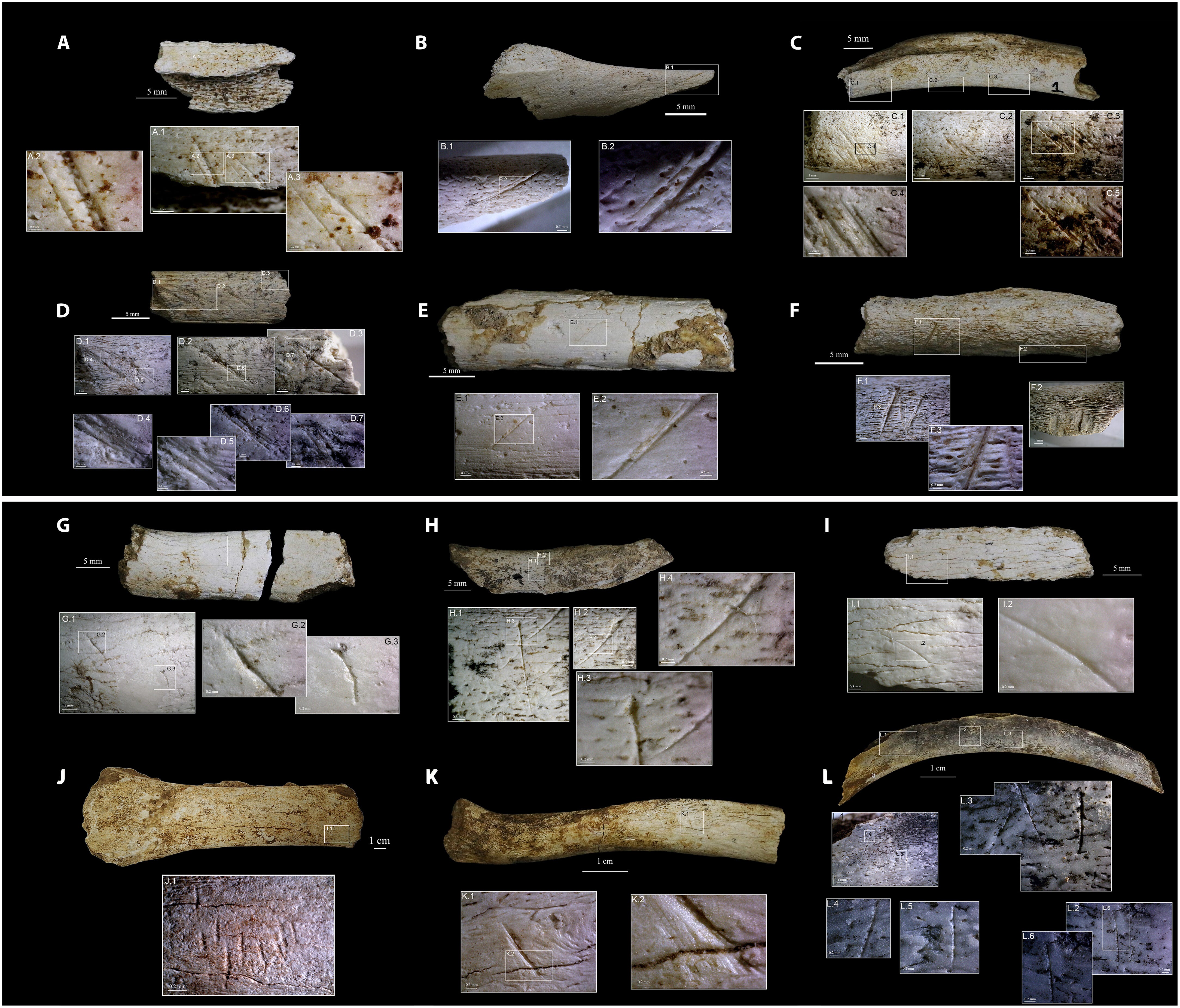
That single fragment is a fitting emblem for what has happened to the popular image of the “hobbit” since 2003. When the tiny hominin was announced, standing about 109 centimeters tall with a brain roughly a third the size of a modern human’s, the accompanying claims were almost defiantly ambitious: this small-brained species had apparently hunted dwarf elephants and controlled fire. It was an irresistible story, a creature that broke the assumed link between brain size and behavioral sophistication. A new study1 led by E. Grace Veatch of the Smithsonian’s National Museum of Natural History goes looking for the evidence behind that story and mostly doesn’t find it.


