

In 1983, Tim White, Donald Johanson, and William Kimbel explained1 why the Hadar fossils had been assigned to Australopithecus rather than to Homo. Their reasoning was that these creatures walked upright but lacked the brain expansion associated with Homo, so Australopithecus was where they went. That is the whole argument. It is not a claim about who descended from whom. It is a description of what the animal looked like it was doing, converted into a genus name.
That logic never really left. Ian Towle, a research fellow at the Monash Biomedicine Discovery Institute, argues in the American Journal of Biological Anthropology2 that it still organizes the human fossil record, and that it has stopped working. His proposal is blunt: collapse Australopithecus, Paranthropus, and Kenyanthropus into an expanded Homo covering roughly the last four to five million years.
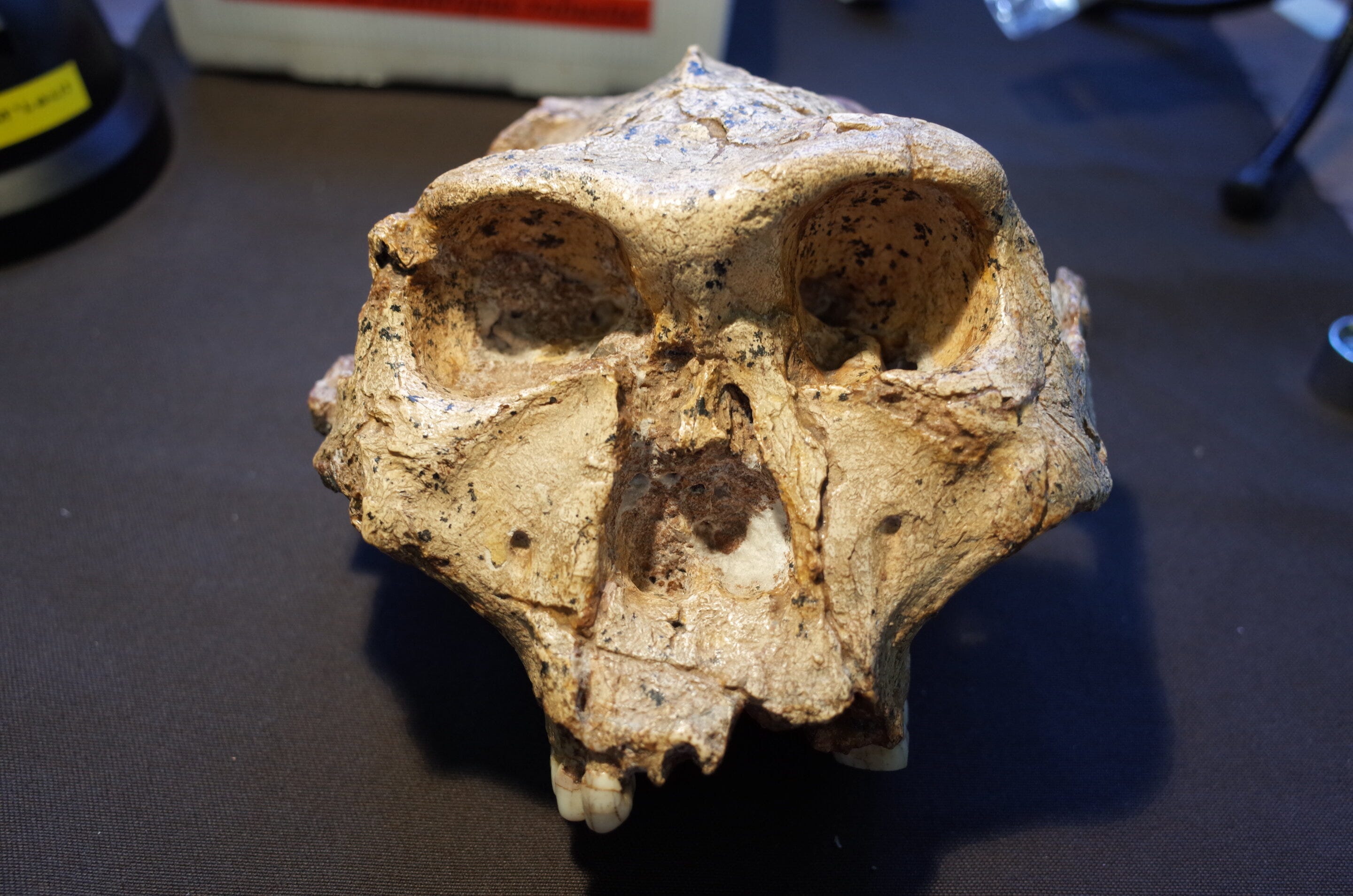
The immediate problem is that Australopithecus is not a clade. This is not a fringe position. Every recently published phylogeny containing multiple Australopithecus taxa recovers the genus as paraphyletic, meaning one or more species within it turns out to be closer to Homo or to Paranthropus than to its supposed congeners. The specific arrangements shift between analyses. The pattern does not. In nearly any other corner of vertebrate biology, a genus with that track record would have been dissolved or split decades ago.
What makes this odd rather than merely untidy is that paleoanthropology has otherwise absorbed cladistics thoroughly. Bayesian phylogenetic inference is now standard. Papers routinely present trees, discuss monophyly, and treat shared ancestry as the thing taxonomy should track. Then they label the tips using a genus that the tree itself refuses to support. Towle points out that studies frequently do both in the same figure without flagging the contradiction. Thomas Harrison argued back in 1993 that if you are going to use non-monophyletic groups, fine, but you must say so explicitly and you must not do it where paraphyly is already demonstrated. Hominin taxonomy fails both conditions at once.
The second problem is that the traits meant to justify the genera keep dissolving. David Strait once listed four behaviorally important adaptations for Homo: an enlarged brain, stone tool manufacture, fully committed terrestrial bipedality, and reduced processing of tough foods in the mouth. Homo naledi fails nearly all of them. It has a small brain, hands and shoulders built for climbing, and teeth that share features with more robust australopiths. Homo floresiensis poses similar difficulties. Meanwhile the traits supposedly unique to Paranthropus have gone the other way. Tooth chipping patterns in P. robustus do not indicate routine hard-object feeding, and Paranthropus now turns up in association with Oldowan technology and a broader dietary range than the hard-object specialist model allowed. Australopithecus garhi has larger teeth than P. boisei, the most megadont Paranthropus, and remains in Australopithecus on other grounds.
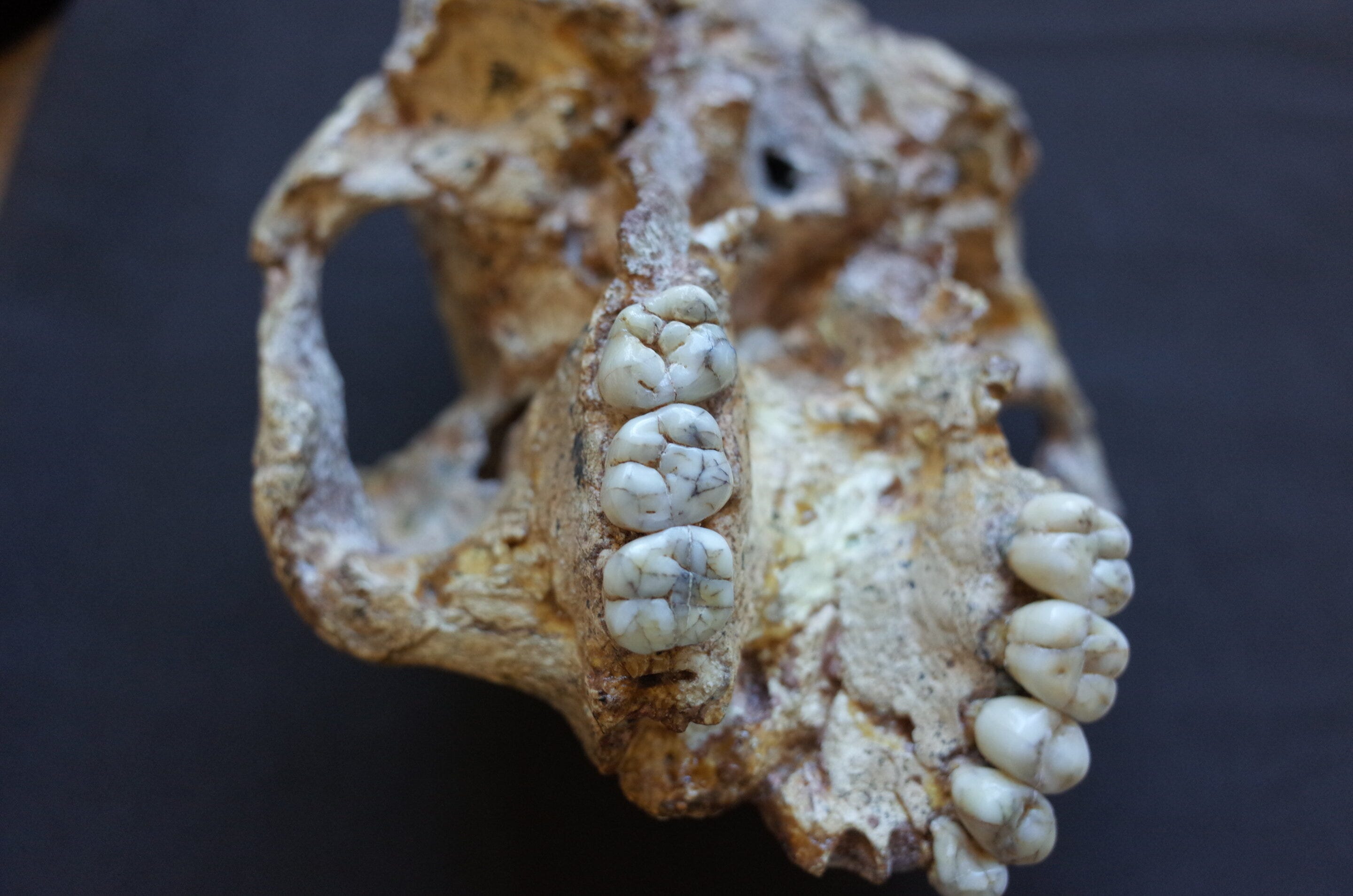
So the genera do not recover clades, and they do not mark consistent ecological or behavioral distinctions either. They fail on both of the criteria that could have saved them.


