

A clay tablet in the British Museum, catalogued simply as Rm 75, spent more than a hundred years being misread in a way that made no sense. The tablet records a royal land grant, and the scholars who first published it in 1898 restored its damaged opening line to name Adad-nārārī III, an Assyrian king who died in 783 BCE. The trouble is that the same tablet carries a date formula pointing to 762 BCE, nineteen years after that king’s death, and mentions a Tiglath-pileser as though he were already on the scene, decades before the Tiglath-pileser historians know of took the throne. Generations of Assyriologists shrugged this off as scribal noise. Eckart Frahm and Alexander Johannes Edmonds, publishing this year in the Journal of Cuneiform Studies,1 looked at the damaged sign again and concluded that everyone had been reading the wrong name.
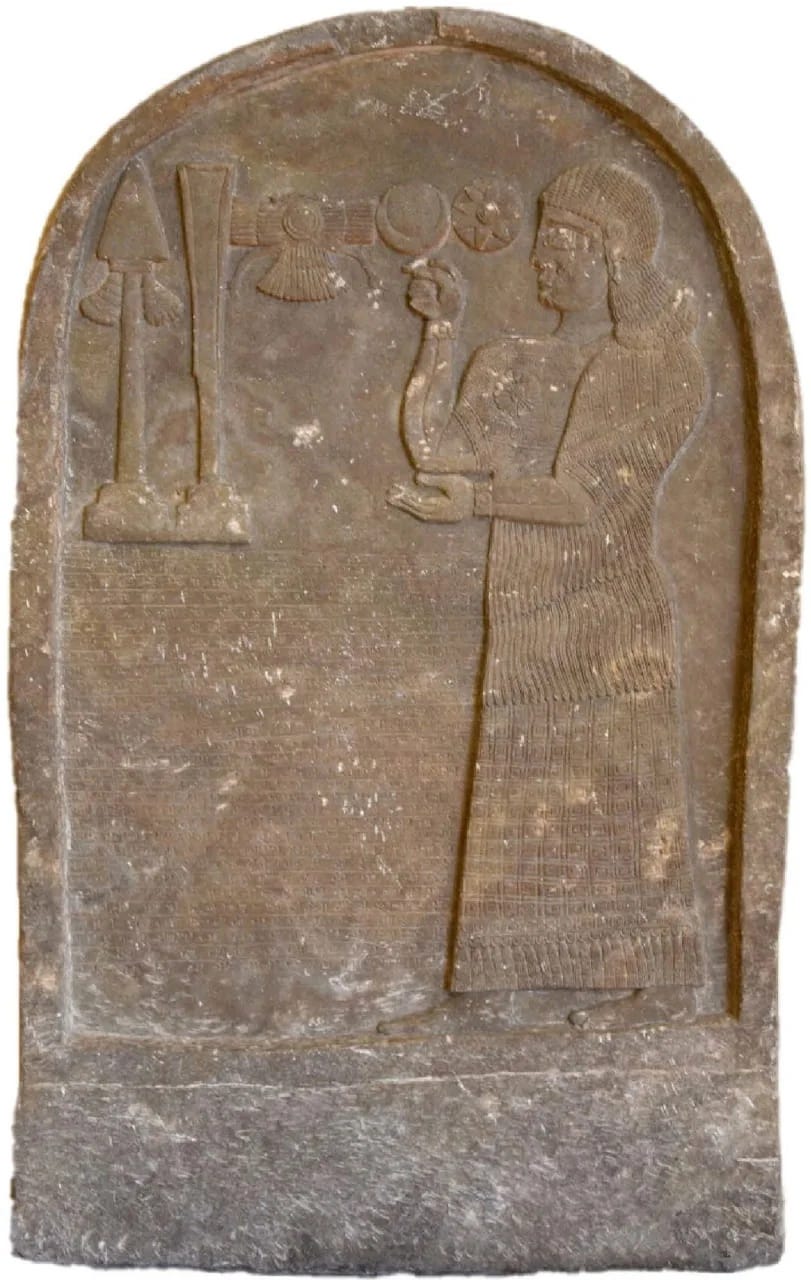
The correction sounds small. Swap “Adad-nārār]ī” for “Tiglath-piles]er” at the start of a broken line, and the chronological impossibility disappears. What it reveals is not small at all: a previously unknown Assyrian king, a son of Šamšī-Adad V, who seized the throne at Aššur in 763 BCE while the officially recognized king, Aššur-dān III, sat in Kalḫu. He ruled for perhaps twenty months before being put down. He is not the only one. Working from independent lines of evidence, Frahm and Edmonds argue that two more short-lived kings, a Shalmaneser around 747-745 BCE and an Aššur-uballiṭ around 913-912 BCE, also held the Assyrian throne and were subsequently written out of it.
None of this would be nearly as interesting if it were just a matter of adding names to a list. What makes it worth pausing on is what it says about the list itself.


