

Someone in second-century Colchester dug a pit, and into it went a horse tooth, some pottery, what might have been a cat, a small bronze implement used for cleaning wax out of ears, and a chunk of fossilized bone that had been dead for roughly 100 million years before Rome ever existed. Nobody knows why. But the bone itself tells a story that has nothing to do with the pit and everything to do with a person, walking a beach nearly two thousand years ago, who bent down and picked something up.
That bone was a vertebra from an ichthyosaur, one of the dolphin-shaped marine reptiles that patrolled Mesozoic oceans long before anything resembling a dolphin existed. A new study in Britannia,1 led by archaeologist Patrick Spencer of the Colchester Archaeological Trust, identifies it as the oldest known example of someone deliberately collecting an ichthyosaur fossil anywhere in the world. Not the oldest ichthyosaur fossil. The oldest one a human being noticed, valued, and carried somewhere on purpose.
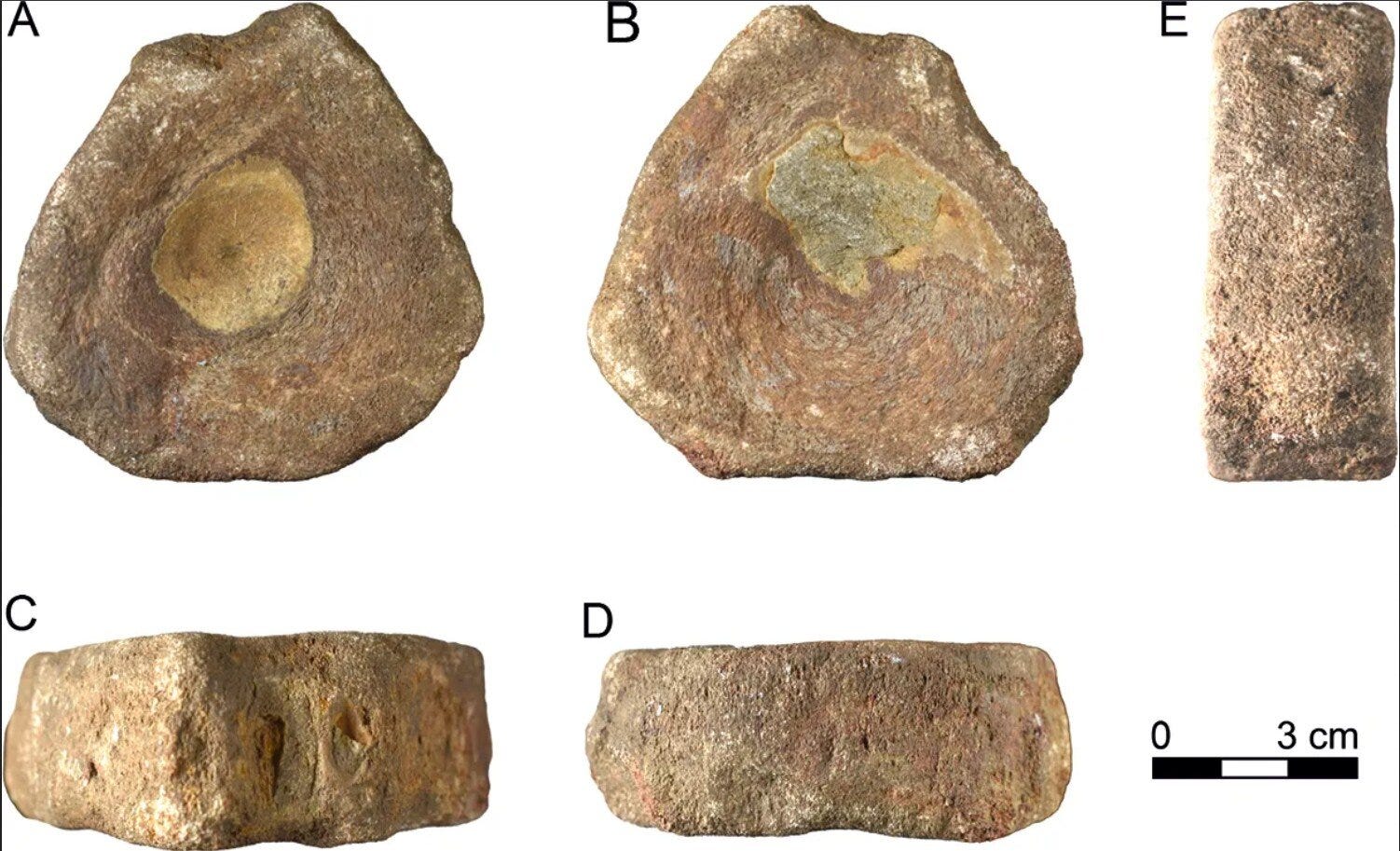
Isolated ichthyosaur vertebrae are not rare along England’s coast. Wave action pulls them out of cliff faces regularly, and most sit on beaches doing nothing in particular until the tide takes them back. What makes the Colchester specimen remarkable is not the bone. It’s the address.


