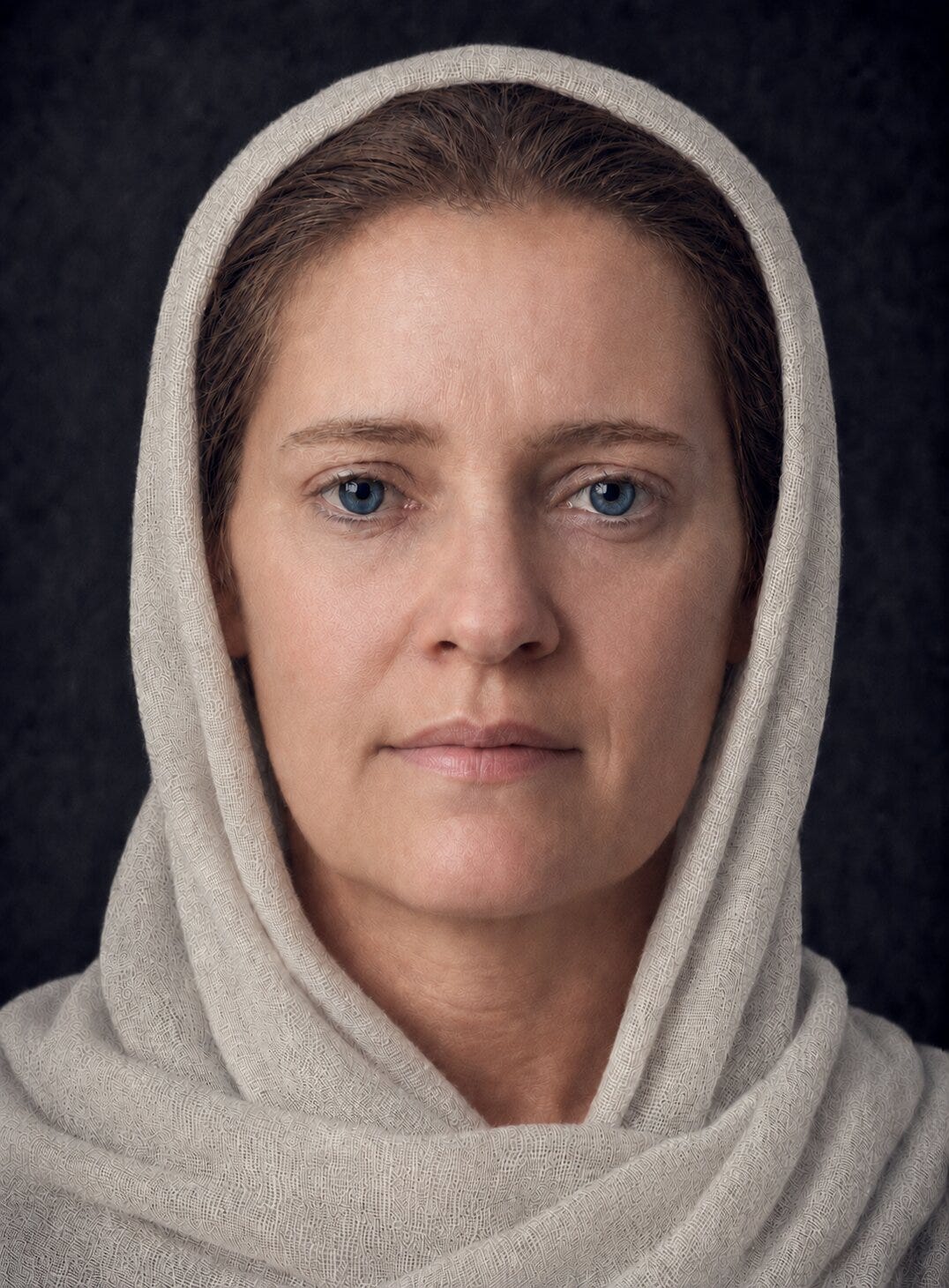
Lady 56 died before the age of thirty, somewhere in the parish of Frösö in Jämtland, and was buried at the medieval churchyard of Västerhus with a scallop shell resting near her body. The shell is not a local object. It is the recognized emblem of a completed pilgrimage to Santiago de Compostela, more than 3,000 kilometers to the south. Only two such shells have ever turned up at Västerhus. Genomic analysis now shows that Lady 56 belonged to one of the cemetery’s most extensively documented kin groups: her parents, a brother, and two daughters were all interred nearby, spread across different parts of the same churchyard.
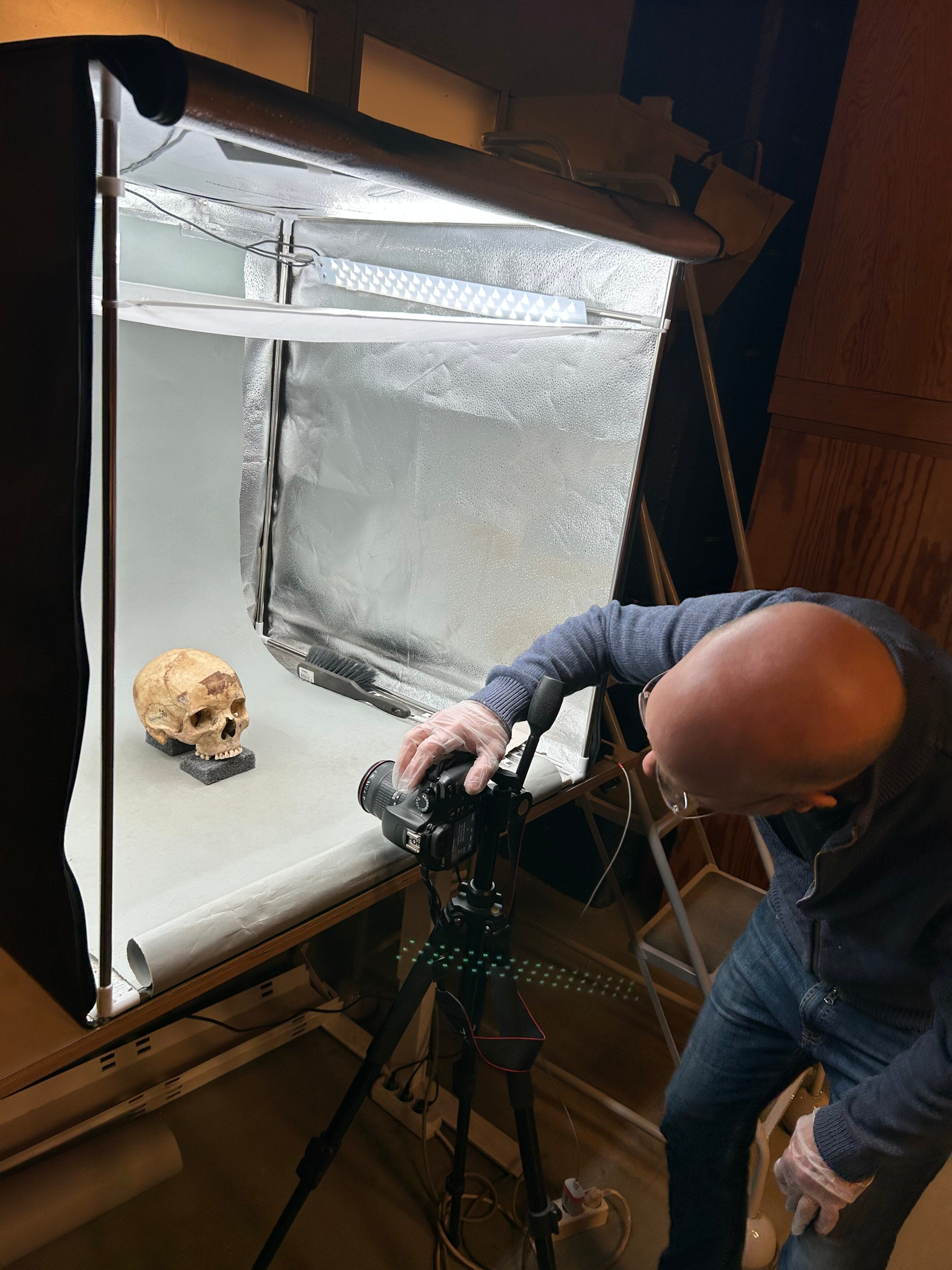
That combination, a well-connected local family and evidence of a journey to the edge of Christian Europe and back, is the kind of detail that ancient DNA is starting to make visible in graves that otherwise give almost nothing away. Christian burial practice from the 10th and 11th centuries onward stripped graves of the personal items that once helped archaeologists sex and identify the dead. Bodies were laid supine, east to west, with little beyond a shroud. For children especially, whose skeletons resist reliable sexing by morphology, this left a real gap in what could be known about their lives and their place in these communities.
A team led by researchers at Stockholm University sequenced1 genomes from 142 individuals recovered from three Swedish sites spanning the late Viking Age into the early Christian period: Fjälkinge in Skåne, the urban cemetery at Sigtuna, and the rural churchyard at Västerhus in Jämtland. Sixty-eight of those individuals were children or adolescents, more than a third of the total sample, and most had come from graves holding two or more bodies. The goal was to test something archaeologists have long assumed but rarely been able to check: that when a child was buried alongside an adult, the two were probably close relatives.