

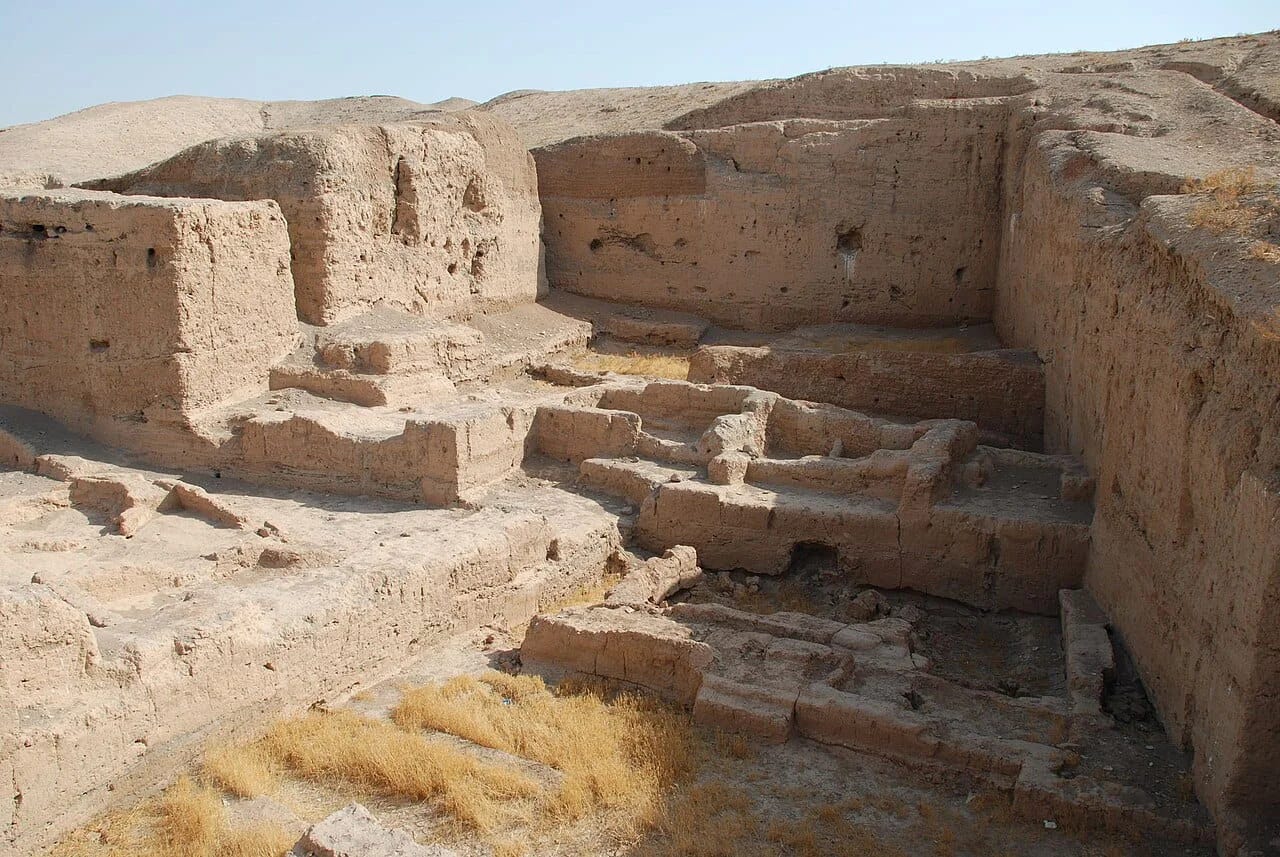
The infant was buried among other children, in a workshop quarter of a city that was still, in the most literal sense, inventing itself. Tell Brak, in what is now northeastern Syria, was becoming one of the earliest urban centers on the planet sometime around 4200 to 3900 BCE. People were crowding in from the surrounding countryside, streets were forming, and specialized production districts were taking shape. Somewhere in the middle of that transformation, a child between six and nine months old died with four broken ribs near the breastbone, unusual bone growth in the right thigh, and porous lesions across both sides of the skull.
A team1 led by Aleksandra Grzegorska, working with Tina Jakob and Arkadiusz Sołtysiak, has argued that this pattern of injury is most consistent with non-accidental trauma. In plain terms: someone hurt this baby, more than once, over a period of time long enough for some of the fractures to begin healing before death.
That last detail matters more than it might seem. A body doesn’t lie about timing the way people can. Healing bone tells you how long a person survived after an injury, and in this case, the partially mended ribs mean the child endured repeated harm rather than a single catastrophic event. Something was happening to this infant across weeks, not seconds.


