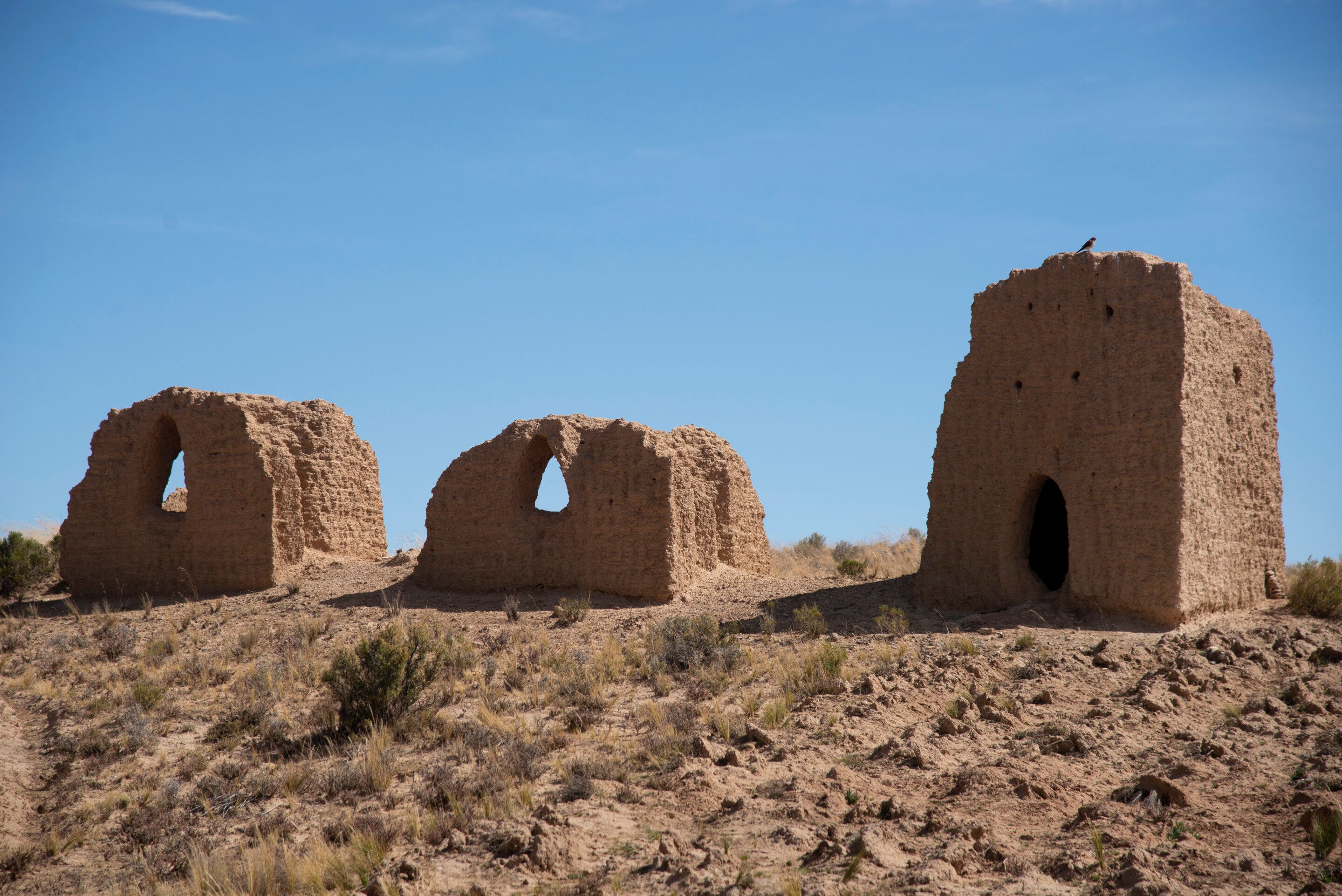
The skull had been sitting in the collections of Bolivia’s National Museum of Archaeology in La Paz for years. It belonged to a young man, somewhere between eighteen and twenty-five years old, who had been placed in a chullpa — one of the stone funerary towers that the people of the Bolivian Altiplano used to inter their dead during the Late Intermediate Period, a time of dense regional interaction and shifting political alliances across the Andes. He ate mostly maize. He consumed little meat. His skull shows signs of intentional cranial modification, a practice common across many Andean societies. After death, the cold and dryness of the high plateau preserved his remains through natural mummification rather than any deliberate process. Someone, at some point, removed his head.
Researchers at the Eurac Research Institute for Mummy Studies in Bolzano took a tooth from what remained and ran it through shotgun metagenomic sequencing. Radiocarbon dating placed the man in the years between 1283 and 1383 CE. What they found1 inside the tooth was not what they set out to look for.
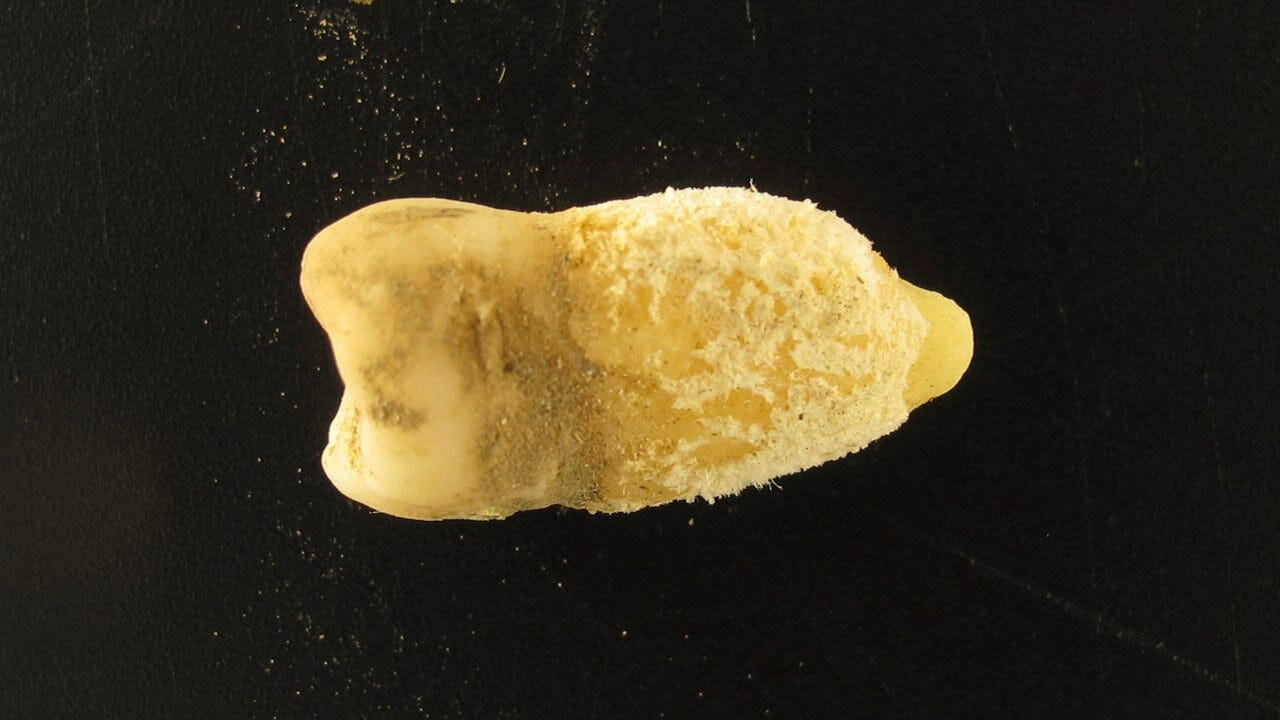
Among the bacterial DNA recovered from the pulp chamber — a sealed, vascularized space that tends to trap and preserve circulating pathogens — was a remarkably intact genome of Streptococcus pyogenes. Not just traces. A near-complete reconstruction, 99.98% complete by the standard quality metrics, assembled from hundreds of millions of fragmentary ancient DNA reads without using a modern reference genome as a template. The paper reporting this finding, published in Nature Communications by Guido Valverde, Mohamed Sarhan, and colleagues, represents the first confirmed ancient genome of this pathogen anywhere in the world, and the earliest documented presence of S. pyogenes in the Americas by several centuries.
The finding matters for reasons that extend well past its headline claim. The evolutionary history of S. pyogenes — the bacterium behind strep throat, scarlet fever, necrotizing fasciitis, and toxic shock syndrome — was, until now, a blank before the modern era. Every analysis of this pathogen had been built from contemporary clinical strains. There was no ancient baseline. The Bolivian strain provides one, and what it looks like is both reassuring and strange.