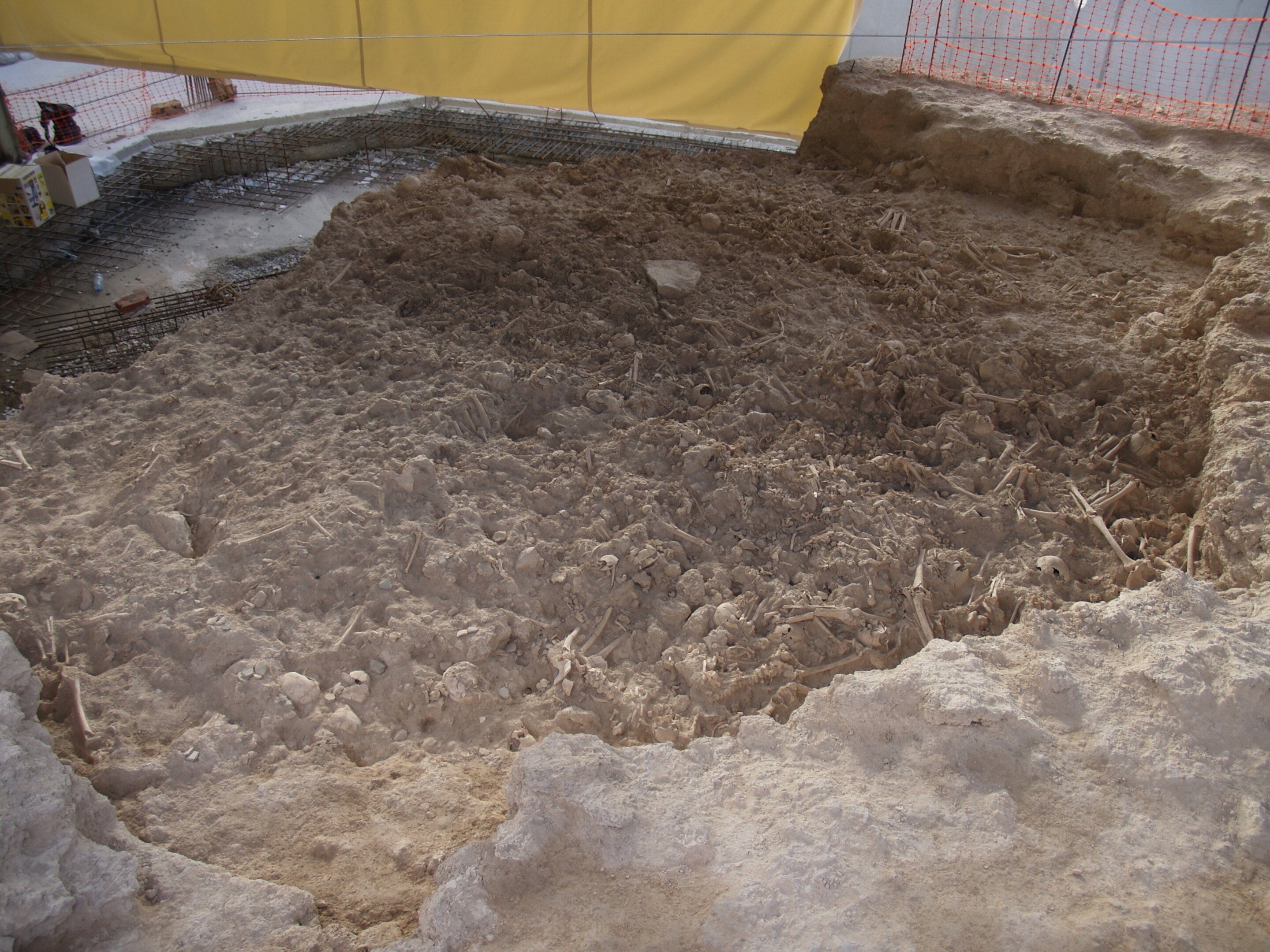
Cut into the travertine bedrock near what is now Caravaca de la Cruz, in the Murcia region of southeastern Spain, is a circular pit roughly six meters across and two meters deep. It doesn’t look like much from the outside. Inside, researchers have spent years carefully lifting out the remains of at least 1,348 people, layered and re-layered over seven centuries of use during the Copper Age. Camino del Molino is the largest known Chalcolithic collective burial in Europe. The dead include men, women, elderly individuals, children barely past infancy. Some underwent skull surgery during their lifetimes. One individual had dwarfism. They were all placed here, together, over the course of roughly 700 years spanning most of the 3rd millennium BCE.
The new study published in the International Journal of Paleopathology1 by Sonia Díaz-Navarro and colleagues is not about the tomb’s size or its social complexity. It’s about what happened to the children buried there — specifically, what their bones reveal about the diseases that killed them.
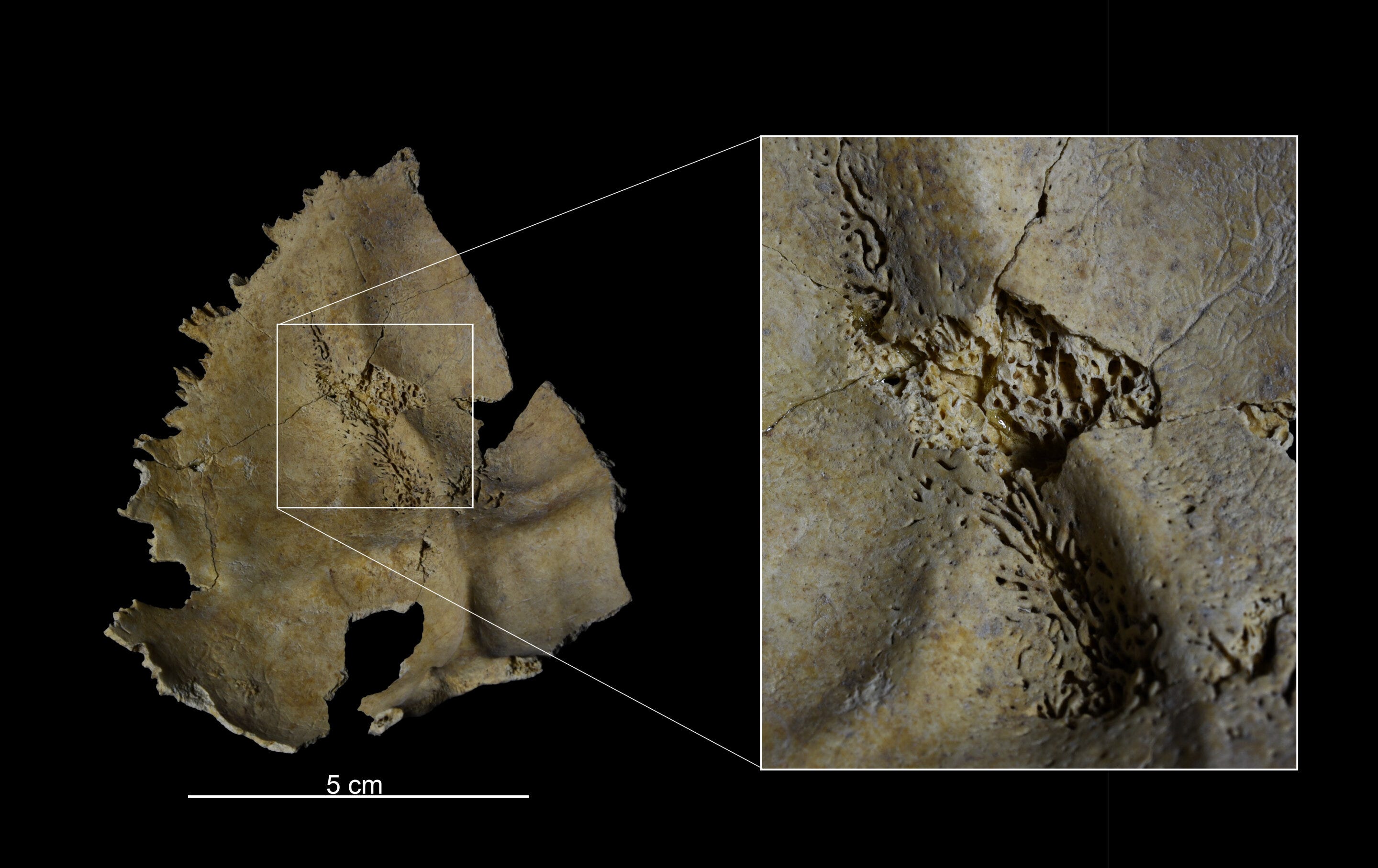
The team had access to something rare in prehistoric bioarchaeology: 48 intact, anatomically articulated skeletons of non-adults. In communal burials like Camino del Molino, bones are typically scattered and commingled over centuries of re-use and disturbance. Finding a child’s complete skeleton is unusual. Finding 48 is exceptional. That preservation matters enormously, because the study’s approach depends on reading patterns of lesions across whole bodies rather than inferring from isolated fragments.