

In March 2020, workers preparing a building lot in the village of Taimering, about twenty kilometers southeast of Regensburg, turned up something unexpected beneath a demolished farm floor: a woolly mammoth tusk, nearly two and a half meters long and spirally twisted, sitting undisturbed in the sediment of what had once been an Ice Age pond. Medieval archaeology had been the goal. The Pleistocene was a surprise.1
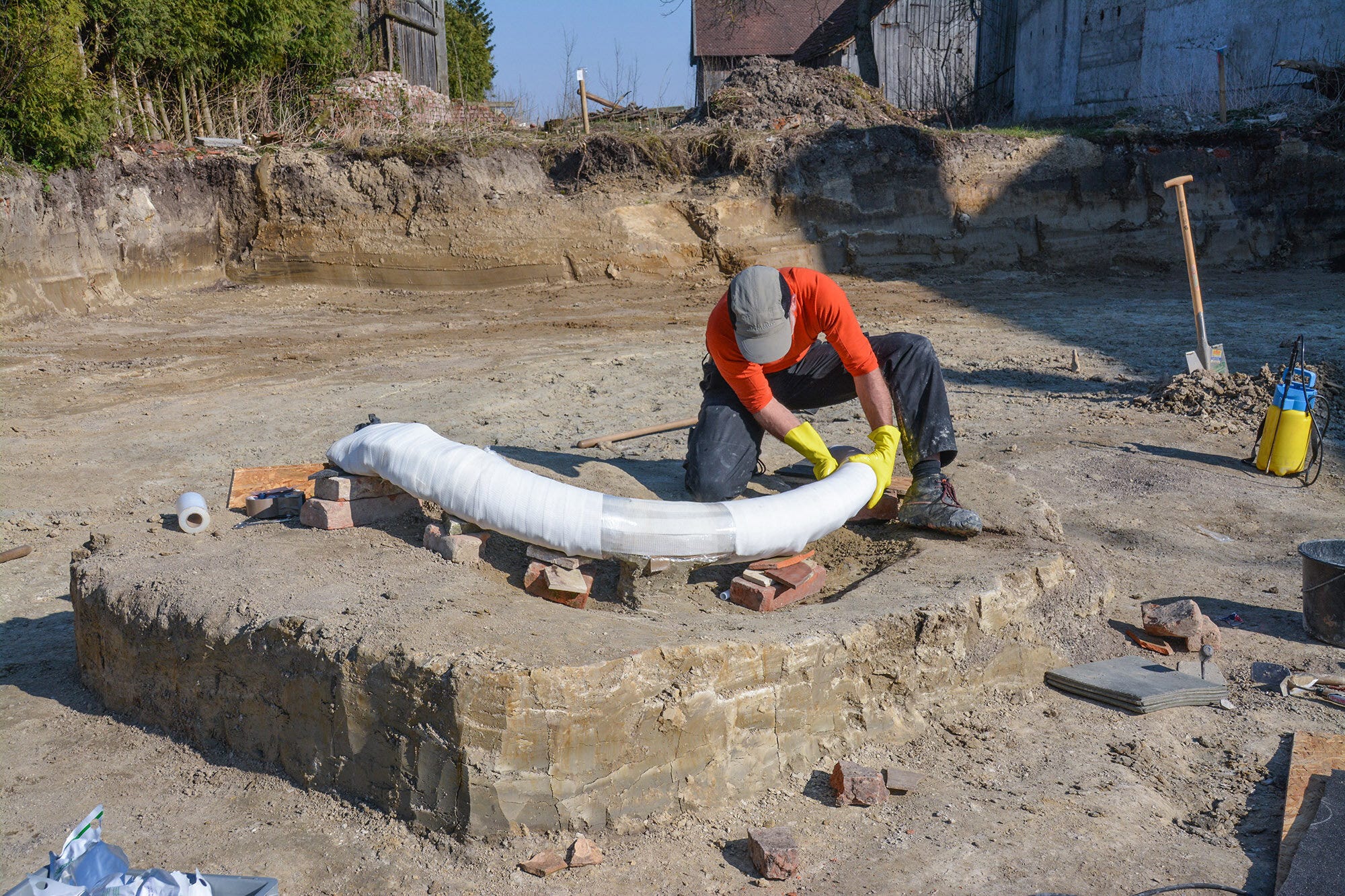
Over the following weeks, a team from the Bavarian State Office for Monument Protection recovered more than seventy additional bones from the same deposit, most of them ribs and foot bones, a radius, fragments of vertebrae and skull, part of a pelvis. The long limb bones were almost entirely absent. Radiocarbon dates from the ribs placed the animal’s death between 26,900 and 25,300 years ago, during a period called Greenland Stadial 3, a climatically severe interval within the Last Glacial Maximum. The bones belonged to a single individual: a large but not yet fully grown Mammuthus primigenius, probably around three meters at the shoulder when it died.
That alone would make the site notable. Mammoth skeletal remains are rare in this part of central Europe, and detailed sedimentological and paleoenvironmental analyses at a mammoth site in the German Alpine Foreland had never previously been carried out. But the find became genuinely unusual during the initial examination of the bones in the lab, when researchers noticed something on the rib surfaces. Scratches.2 Some were single incisions. Others ran in sets of roughly parallel grooves. The edges were sharp. The color matched the surrounding bone surface, indicating age. They were not recent.
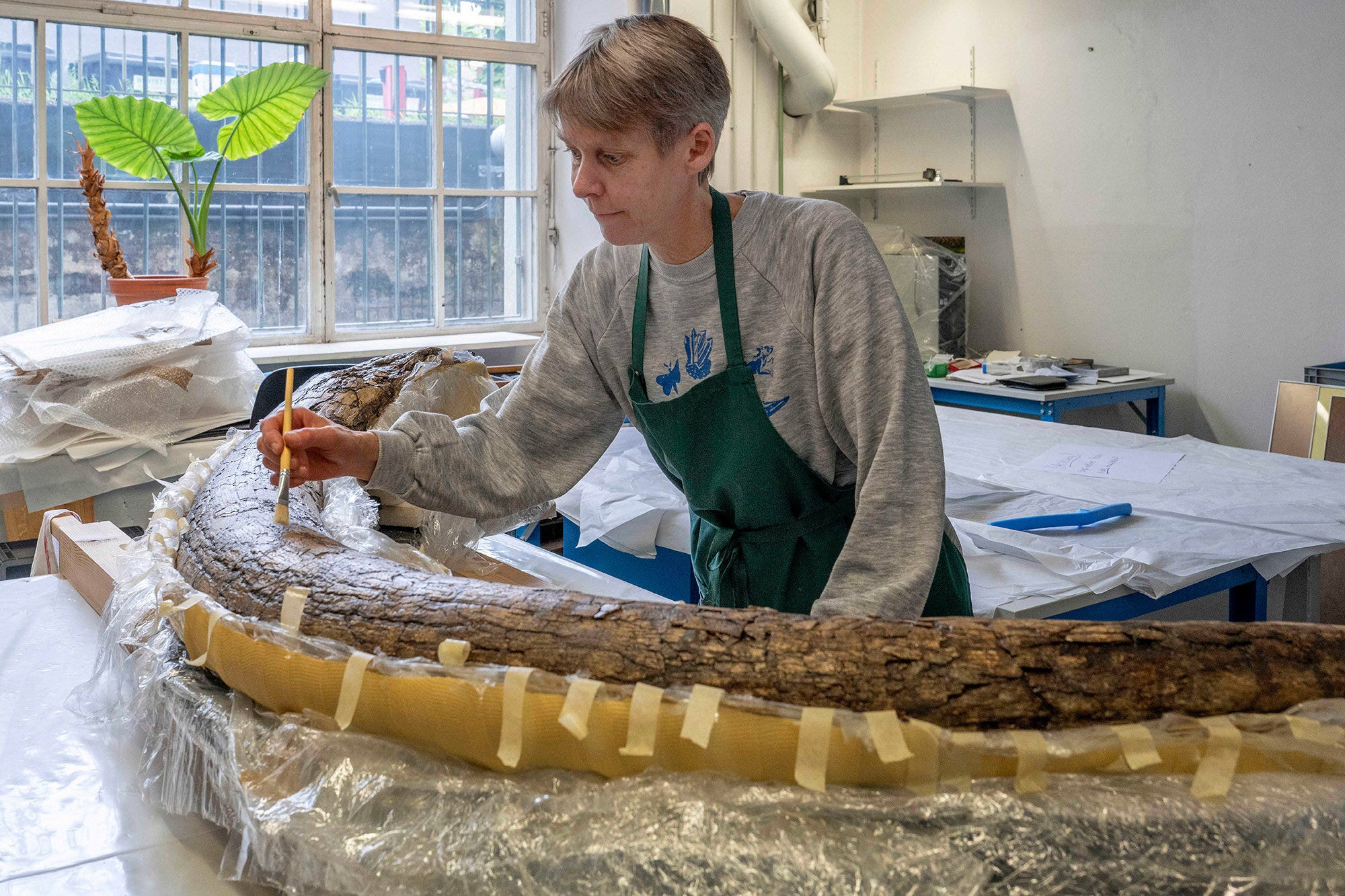
A sustained program of microscopy followed.


