

In 2021, a team led by Dirk Leder published an analysis of a 51,000-year-old giant deer phalanx recovered from Einhornhöhle in Lower Saxony. The bone had been deliberately engraved with a series of cuts and scraped lines. Micro-morphometric analysis ruled out accidental modification, butchery byproduct, or carnivore damage. The angles were too consistent. The location of the incisions made no sense functionally. Someone had made this object on purpose, and the only hominins present at that time and place were Neanderthals.

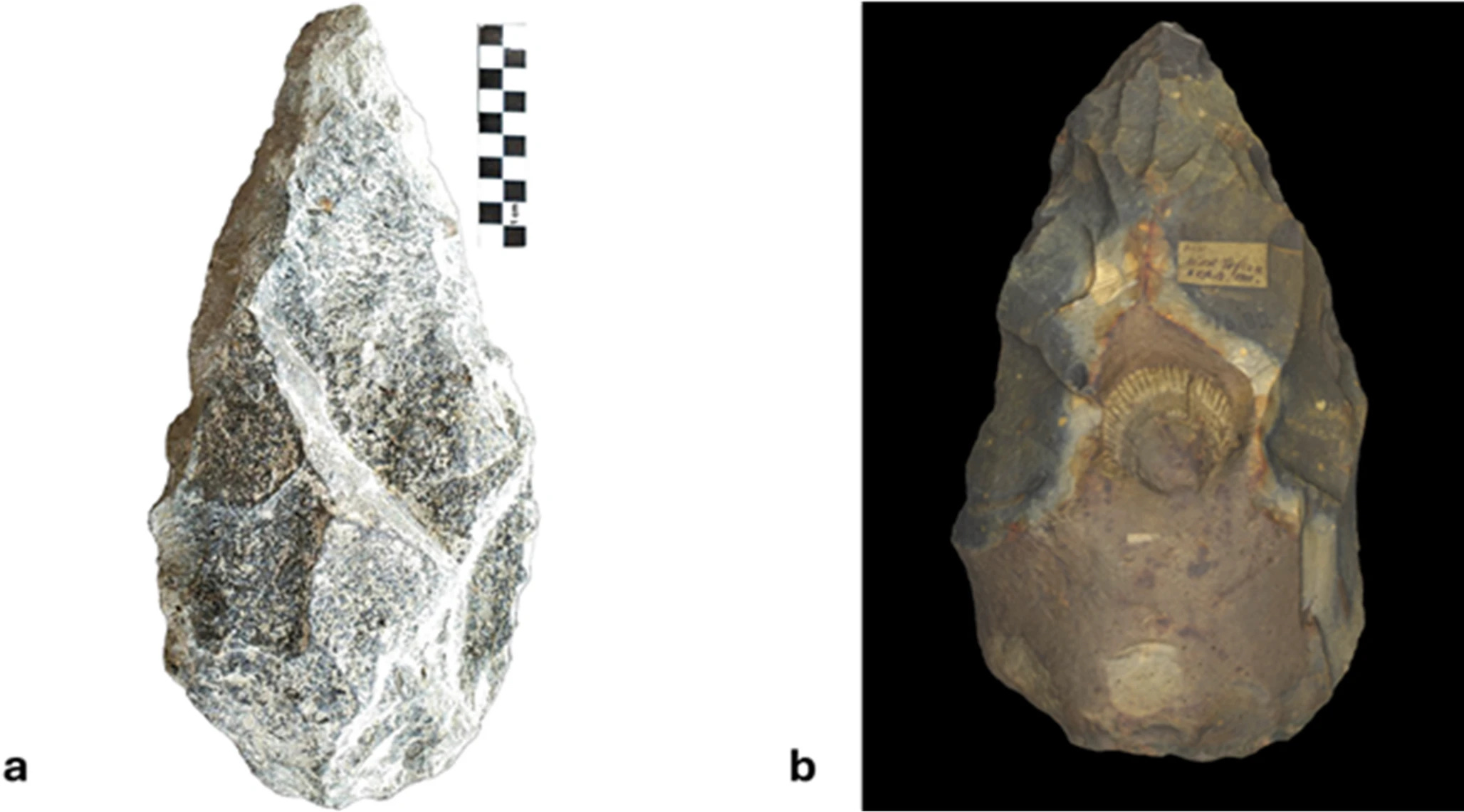
Leder’s team interpreted the artifact as evidence of symbolic expression. Others have suggested it could have been utilitarian, a spool or a fishing sinker, which doesn’t actually rule out aesthetic intent — the same argument has been made about particularly fine Acheulean handaxes for decades. What nobody seriously argues is that the object is accidental or meaningless.
This kind of evidence has been accumulating for years. And a new paper by philosopher Anton Killin, published in Biological Theory,1 argues that it has now accumulated to the point where it breaks something: the concept of “behavioral modernity” itself.
The argument is worth taking seriously, because it isn’t just about Neanderthals. It’s about what happens when a scientific concept outlives its usefulness.


