

A landscape stained red
Around 6,000 years ago, the waterways of what is now Finland stitched together small communities of hunter-fisher-gatherers. Canoes and river routes connected lakes to the Baltic, and people moved with the seasons to fish, hunt, and gather. In this world, ochre was everywhere. It colored cliff art of elk and boats. It dusted tools and objects. It coated the bodies of the dead.
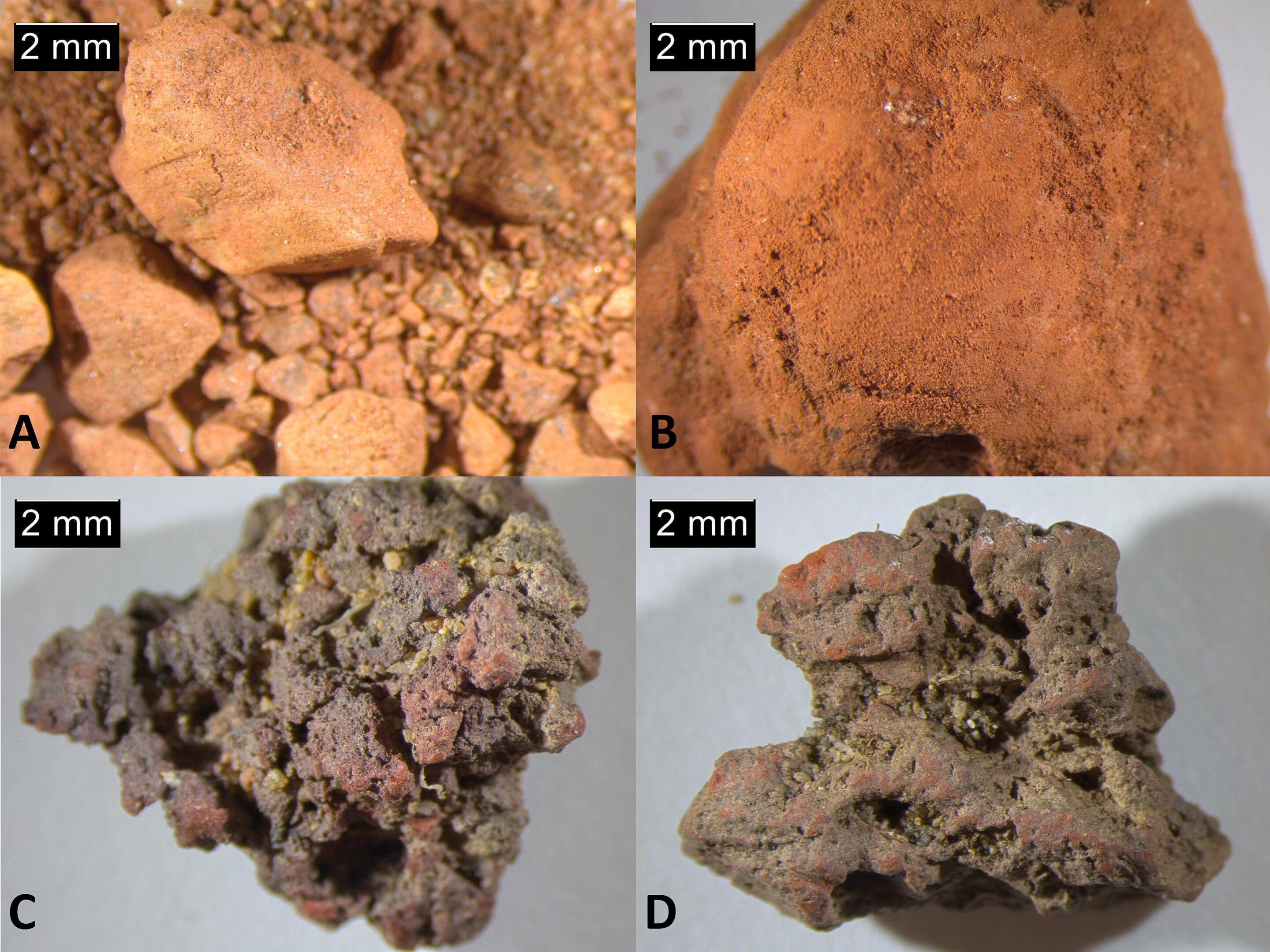
For decades, archaeologists treated this red earth mainly as a symbolic constant. Red meant blood, life, or transformation. The details of where the pigment came from, and whether different reds meant different things, remained largely untested. A new chemical study changes that picture. By fingerprinting ochres from graves and settlements, researchers show that red was not a single color with a single meaning. It was a palette tied to people, places, and long-distance ties.
The work, led by researchers at the University of Helsinki and published in Journal of Archaeological Science: Reports,1 focuses on communities associated with the Typical Comb Ware culture of the early fourth millennium BCE. The results suggest that ochre choices reflected identity and exchange as much as ritual tradition.


