

He was young, probably male, and he was buried without grave goods. In a cemetery where every other adult was laid to rest alongside Indo-Pacific glass beads, ceramics, metal objects, and what appear to be food offerings, Burial 4 at Nagsabaran had nothing. No beads. No bronze. Just a body in the ground, placed centimeters above the earliest known domesticated dog burial in the Philippines.
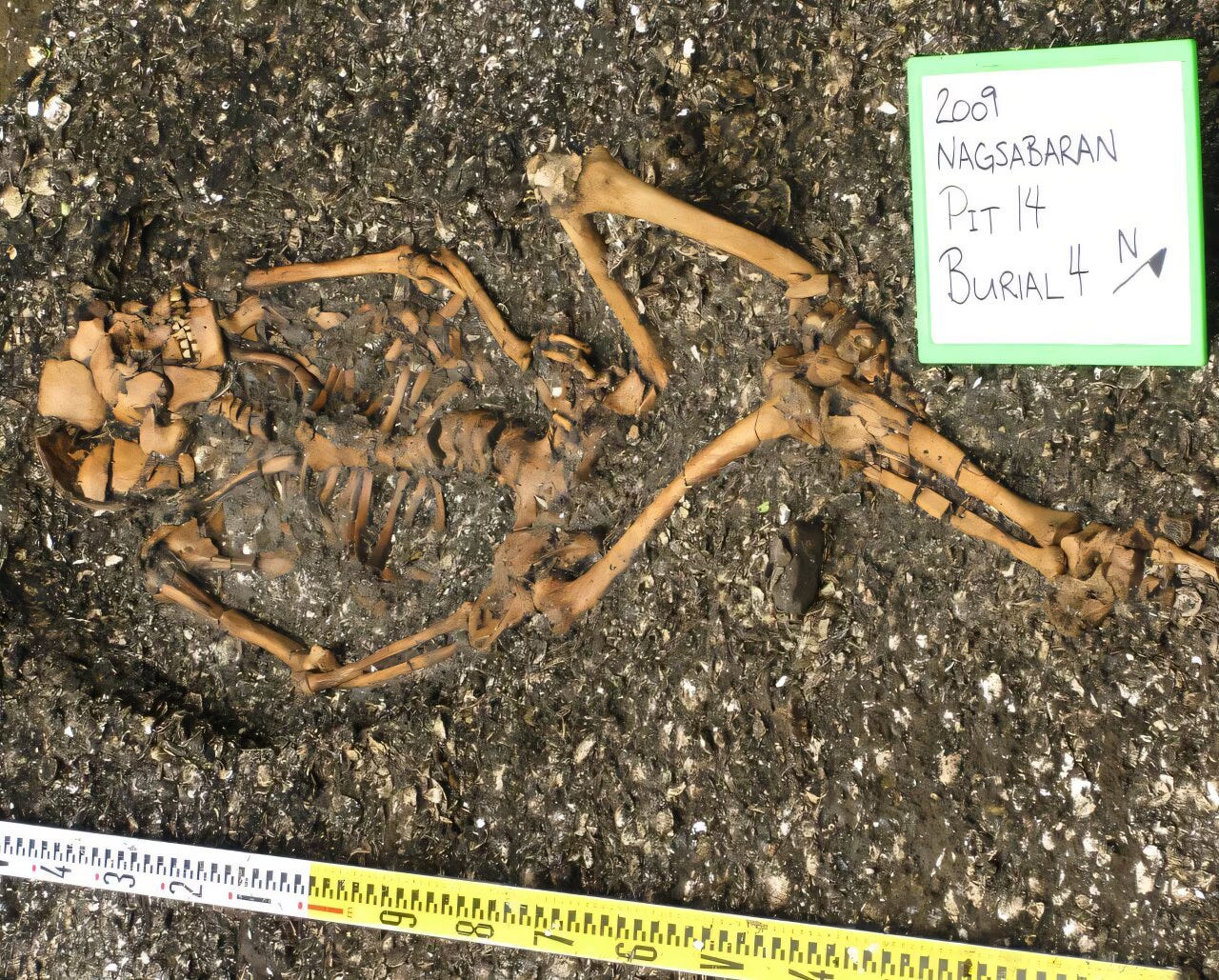
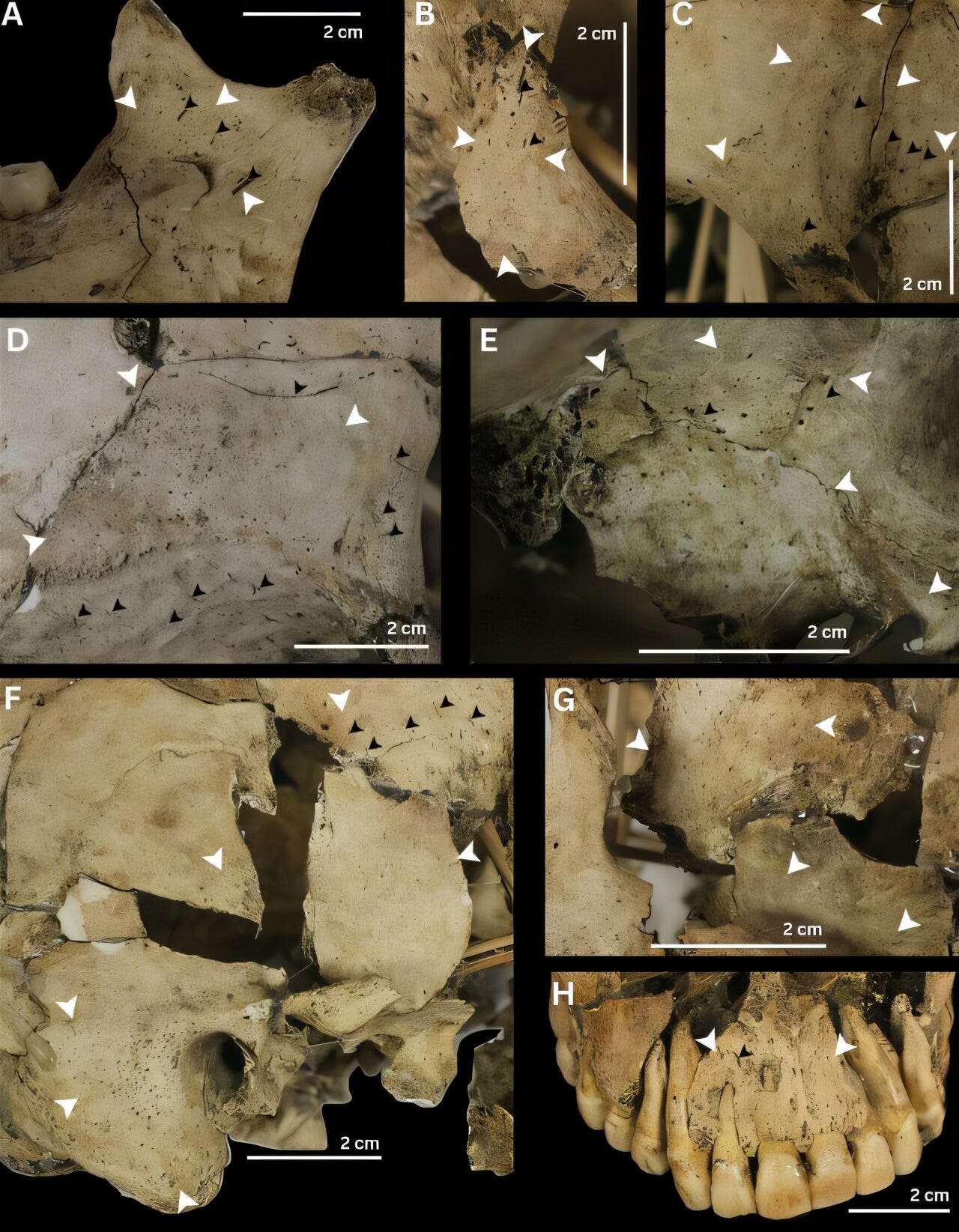
That gap — between him and the people buried nearby — is one of the small mysteries running through a 2026 study published in the International Journal of Osteoarchaeology1 by Dr. Chloe Boucher and colleagues. The study began as a follow-up to earlier work that had identified hip ankylosis in this individual, a fusing of the femoral head and neck into the hip socket that would have progressively immobilized his left leg. The follow-up revealed something more: signs of scurvy, a nutritional deficiency whose fingerprints had been missed in the initial analysis. Together, the two conditions create a picture of a man whose body was failing on multiple fronts simultaneously, and who was apparently kept alive by people around him who understood something about what care required.
Nagsabaran sits in the Cagayan Valley of northern Luzon, a shell midden site occupied through the Neolithic and into the Metal Period, roughly 2,000 to 1,800 years before present. The Metal Period was not a quiet time. According to Dr. Melandri Vlok, a co-author on the study, the period was defined by expanded maritime trade that stretched well beyond Taiwan into China, India, mainland Southeast Asia, Indonesia, and Oceania. New goods moved through these networks. So did new knowledge, new burial practices, new technologies. The single Neolithic burial at the site had no notable grave goods. The Metal Period burials, by contrast, reflected a community connected to a wider world.
Burial 4 was the outlier.


