

Pick up a human femur that’s been in the ground for eight hundred years and you’re already working with incomplete information. The person who owned it is gone. Their medical records, their diet, the work their body did every day — almost all of it has to be inferred. What you have is calcium phosphate shaped by a life you’re trying to reconstruct.
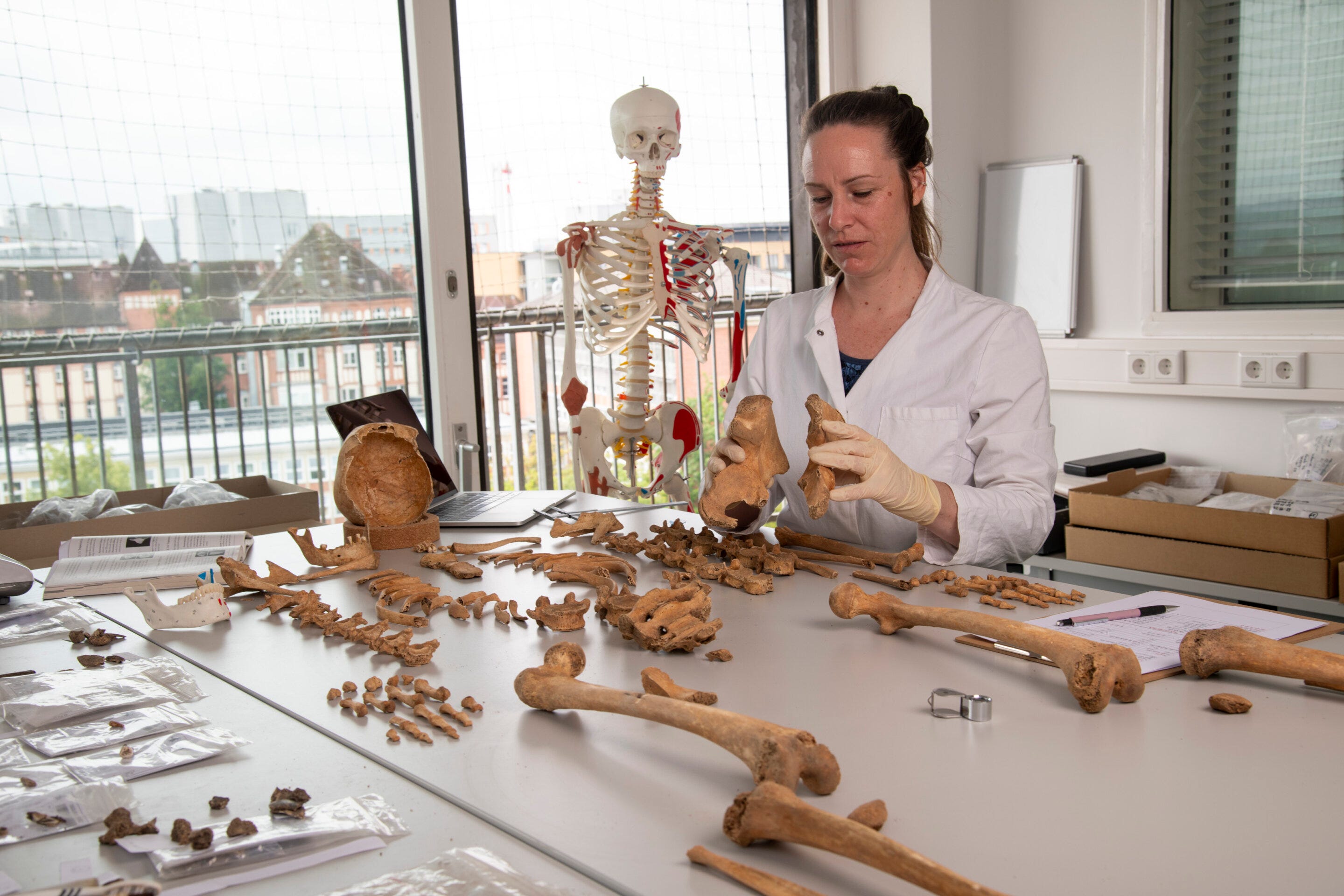
One of the first things a paleopathologist needs to establish is how old that person was when they died. The answer is never simple, and a new paper1 by Katharina Fuchs, Jo Appleby, and eight colleagues argues it’s even less simple than the field typically acknowledges. The problem, put plainly: the very features that show up on a skeleton to indicate age are often the same features that disease produces, accelerates, or suppresses. You can’t cleanly separate the two. And that circularity, the team argues, is bending a lot of paleopathological conclusions in directions nobody has fully mapped.


