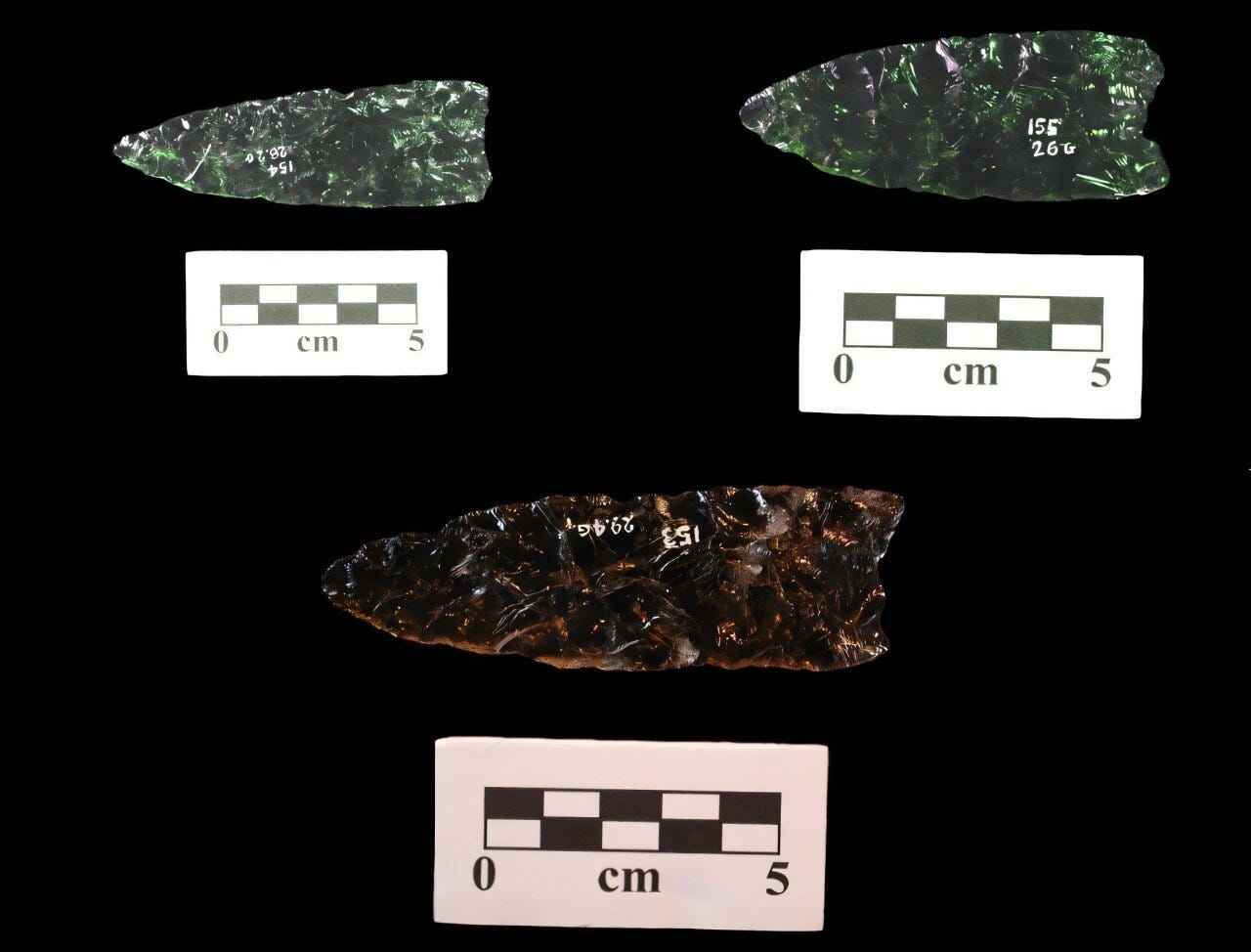
Somewhere in Pleistocene North America, a Clovis knapper sat down with a piece of quartz crystal and got to work. This was not the easy choice. Quartz crystal is notoriously unpleasant to knap: small, structurally unforgiving, its internal lattice prone to shattering unpredictably even for someone who knew what they were doing. Chert was available. Obsidian was available. Rhyolite. Good, cooperative stone that fractures where you want it to, in the direction you intend. And yet here was this person, working quartz.
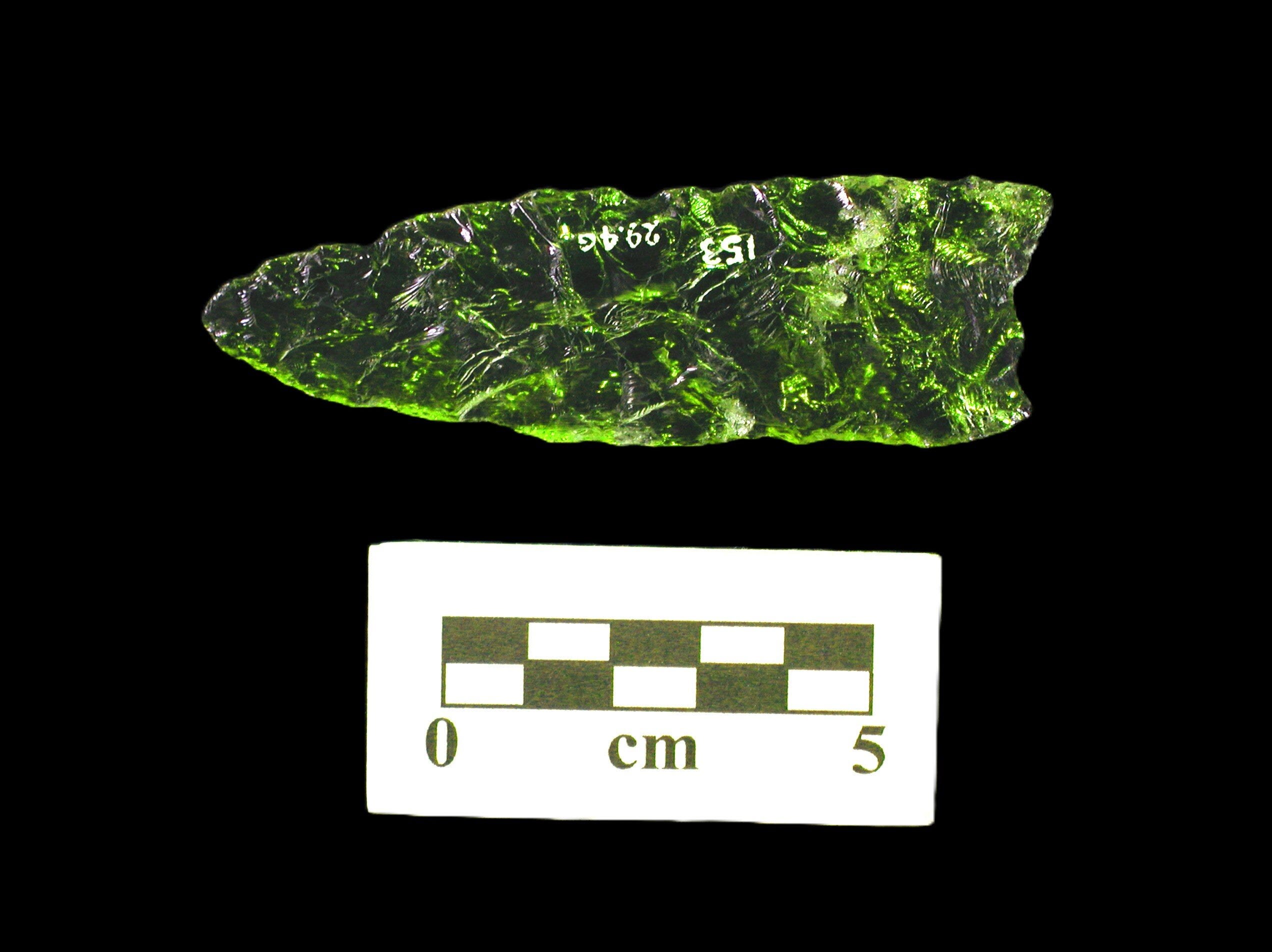
That choice is the puzzle at the center of a new study by Dr. Briggs Buchanan and colleagues, published in Lithic Technology.1 Their analysis of 58 quartz crystal Clovis points asks a deceptively simple question: did the difficulty of the material actually matter?
The answer, apparently, is no. At least not in the ways you might expect.