

Sometime around 12,000 years ago, near the end of the Pleistocene, a person sitting somewhere on the western Great Plains held a small piece of bone in their palm, marked on one face with careful incisions, and threw it. Then they threw it again. Whatever score accumulated from those throws — however many pieces landed marked-side up — meant something to the people watching.
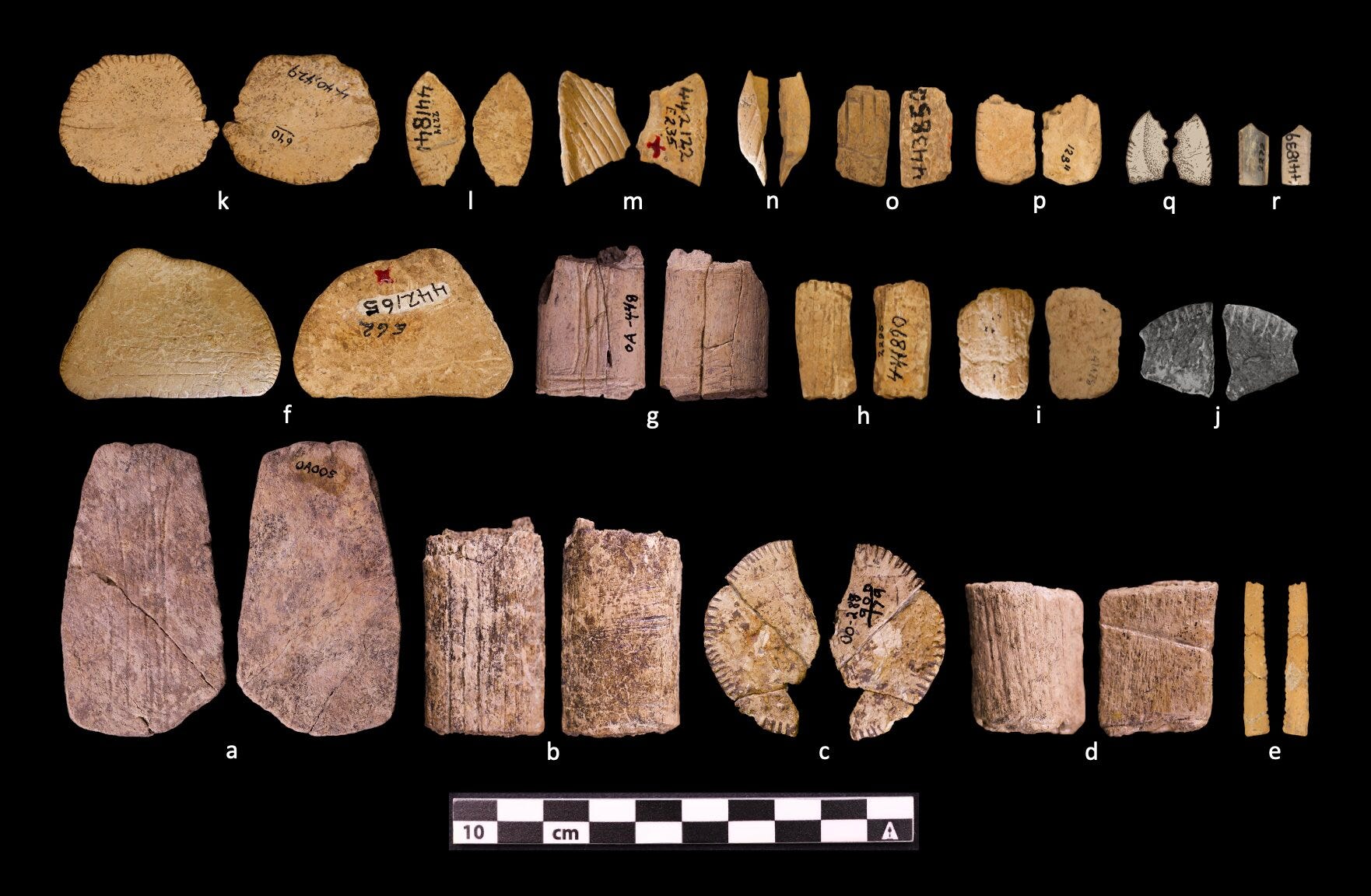
Those bones are still around. A few of them are in storage at the Smithsonian, at the University of Wyoming, at the Denver Museum of Nature and Science. They have been catalogued, photographed, and largely filed away as ambiguous “gaming pieces” for decades. What they apparently are, according to a new study published in American Antiquity,1 is the oldest dice ever found.
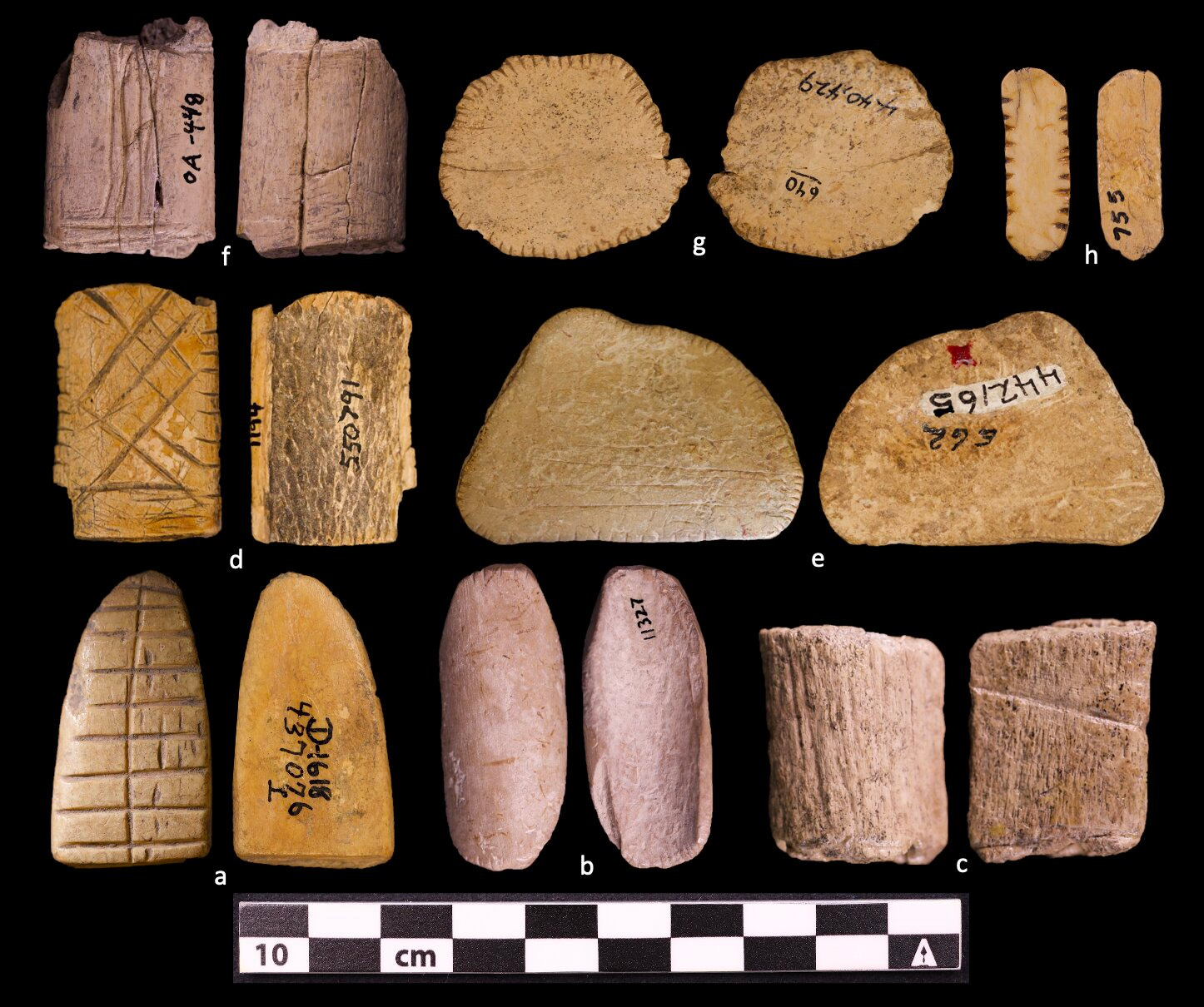
The paper, by Robert J. Madden of Colorado State University, argues that Folsom-period hunter-gatherers at the Agate Basin site in Wyoming, the Lindenmeier site in Colorado, and Blackwater Draw in New Mexico were making and using two-sided bone dice — what historians of gaming call binary lots — no later than 12,000 years ago. That places the invention of dice not in Bronze Age Mesopotamia or the Indus Valley, where the earliest previously known examples date to roughly 3500 BC, but in North America, at the tail end of the Ice Age, among highly mobile bison hunters who left no cities, no writing, and no permanent settlements.
The gap between the two is more than 6,000 years.


