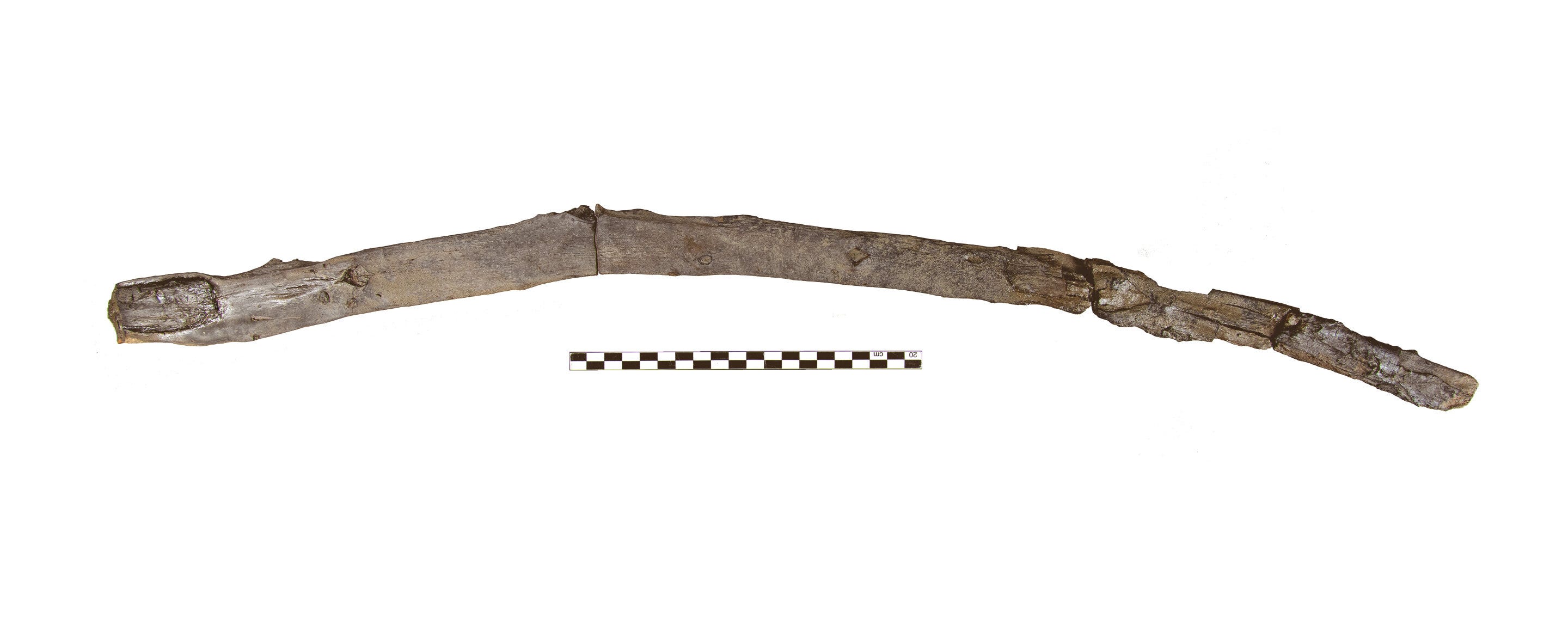
Stone tools dominate museum cases and textbooks for a simple reason: stone lasts. Wood does not. Yet for most of human evolution, wooden implements likely outnumbered stone by a wide margin. They prodded, dug, pried, shaped, and carried. They were the everyday technology of early hominins. Almost all of them have vanished.
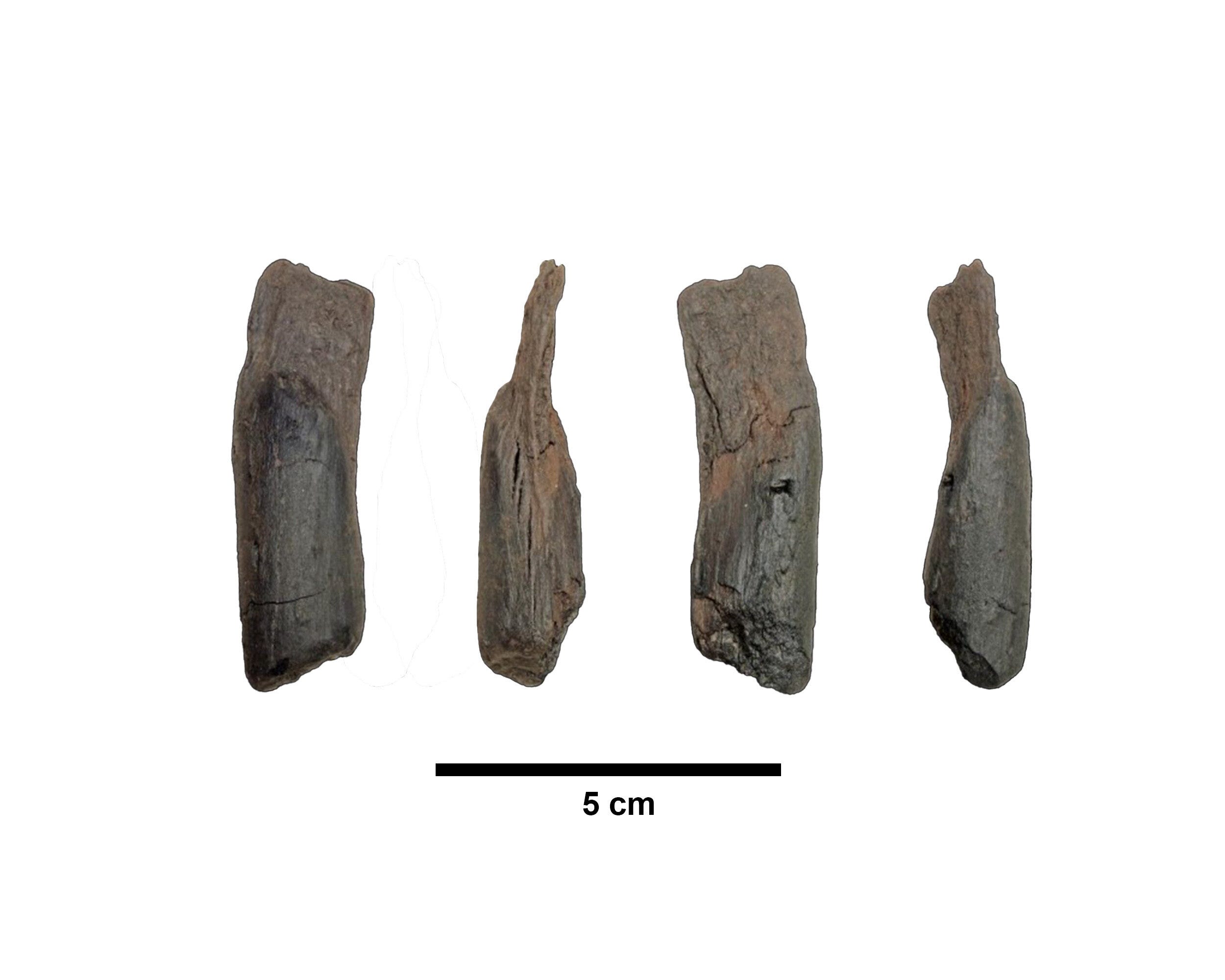
Now, two unassuming pieces of worked wood1 from a lakeside site in southern Greece are forcing archaeologists to confront how much of that technological world has slipped beyond recovery. Dated to roughly 430,000 years ago, these artifacts represent the oldest known wooden handheld tools yet identified. They do not shout their importance. They whisper it.