

There’s a pattern hiding in Michigan’s lakes, and it took a NASA thermal sensor to make it visible.
Researchers from the University of New Hampshire recently ran a large-scale analysis of Landsat 8 satellite data — ten years of temperature readings from 2014 to 2024 — and compared those readings against the locations of Late Precontact burial mounds built by Indigenous communities between roughly 1200 and 1600 CE. What they found is the kind of result that forces a quiet recalibration of assumptions: the lakes near burial mounds behave differently, thermally, than the lakes without them. They warm later in spring. They cool later in fall.
That’s not coincidence. That’s a pattern in the data, and the team behind the study1 — led by Meghan Howey, professor of anthropology at UNH — argues it reflects something deliberate about how the Anishinaabeg understood and inhabited the land around them.
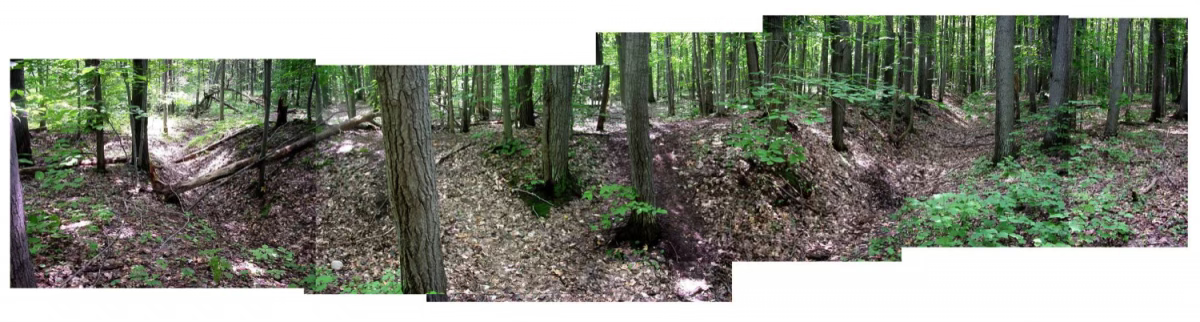
The Anishinaabeg built these mounds as ceremonial monuments. Mound-building in Michigan’s lower peninsula marks a shift in how communities organized their relationships to specific places — a claim on land, an anchor for memory, a reason to return. As Howey has put it, when you place the ancestors somewhere, you’re staking a claim to resource territories and creating paths for people to come back to those places across generations. The mounds are not incidental features of the landscape. They are declarations.
What the satellite data suggests is that the communities making those declarations were also making carefully considered ecological judgments about where to place them.


