

Cova Gran de Santa Linya is not a small site. The rock shelter, perched at 385 metres above sea level in the Pre-Pyrenean zone of Lleida, covers roughly 2,500 square metres and contains a stratigraphic sequence documenting human presence over the last 50,000 years — Neanderthals near the base, anatomically modern humans throughout the Upper Palaeolithic, and Neolithic occupants disturbing the uppermost levels. It is, by any measure, an exceptional record.
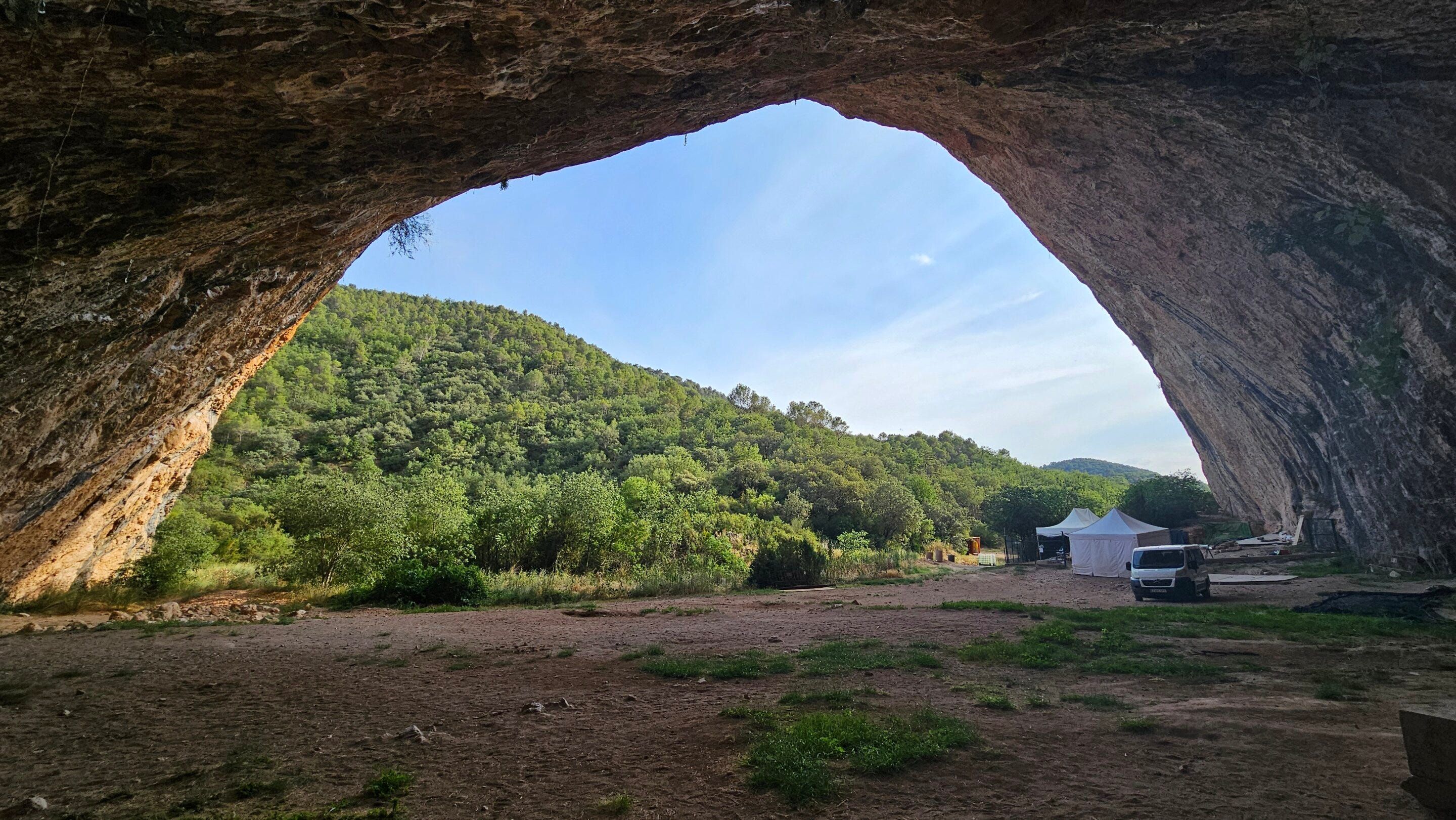
A new study by Sánchez-Martínez and colleagues, published in Quaternary International,1 works through 19 archaeological levels spanning approximately 39,000 to 13,500 years before present. Their question is precise: did the people occupying this site get their stone from the same places throughout the Upper Palaeolithic, or did procurement strategies shift over time? The answer, drawn from more than 3,000 analysed lithics, is that they shifted considerably — and that the pattern of change is not random.
The raw material in question is chert. The southern slope of the Pyrenees is unusually well-stocked with siliceous resources, and Homo sapiens groups here relied on chert almost exclusively for tool production. This distinguishes them from the Neanderthal populations that preceded them in the same region, who incorporated quartzite into their technological repertoire. The shift to near-exclusive chert use is itself a cultural signature, not simply a response to what was locally available.
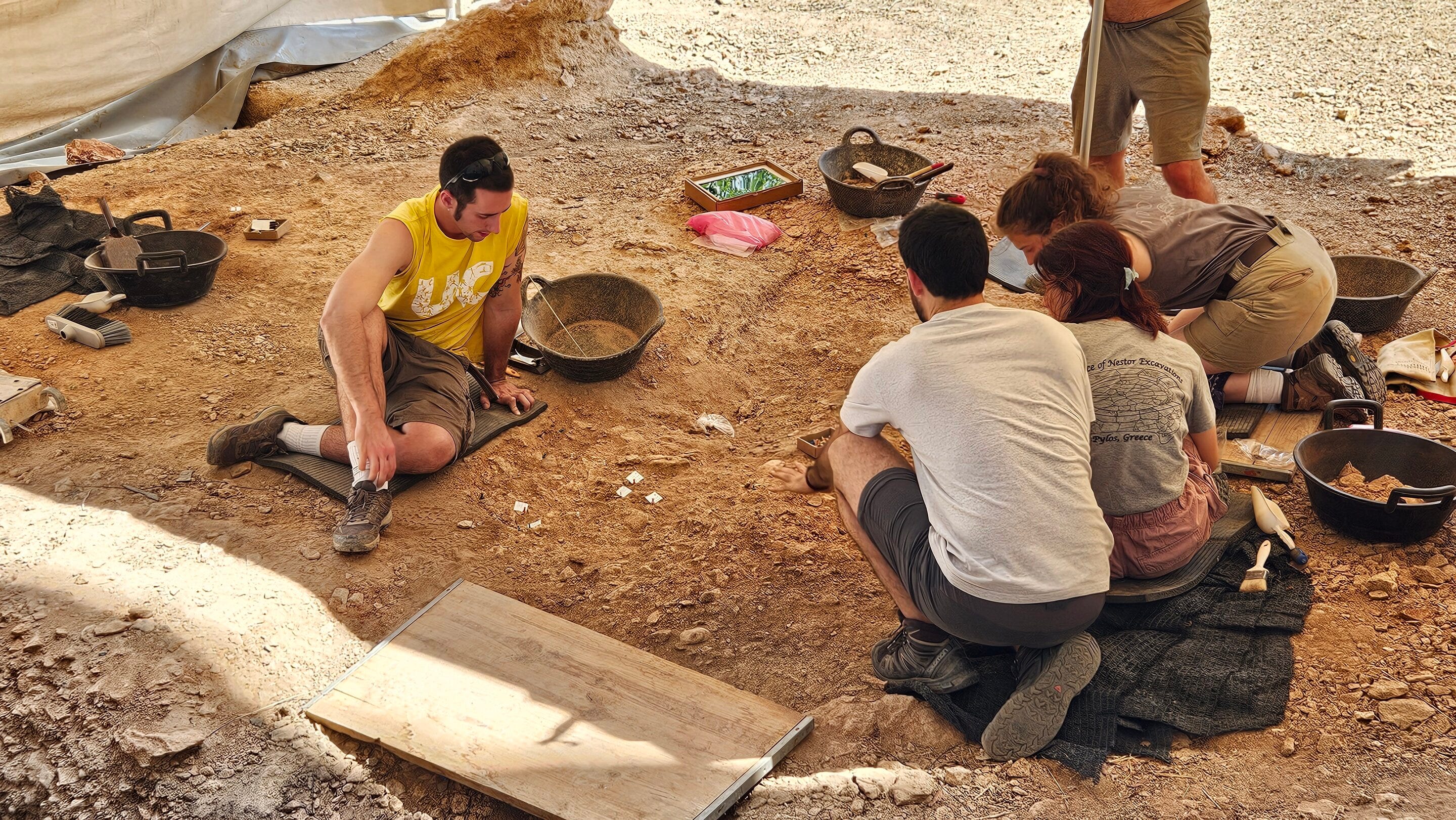
The team examined cores and retouched tools from the entire Upper Palaeolithic sequence using an archaeopetrological approach: examining the textural and micropalaeontological characteristics of each piece under binocular microscope, then comparing the results against a geological reference collection of siliceous rocks from the University of Barcelona. This allowed them to identify the sedimentary environment in which each chert type originally formed, and from that to infer potential source areas.
Six chert varieties were distinguished. Two appeared consistently across all levels. The other four showed up only sporadically, in specific assemblages, and those rare appearances turn out to be the most informative.


