

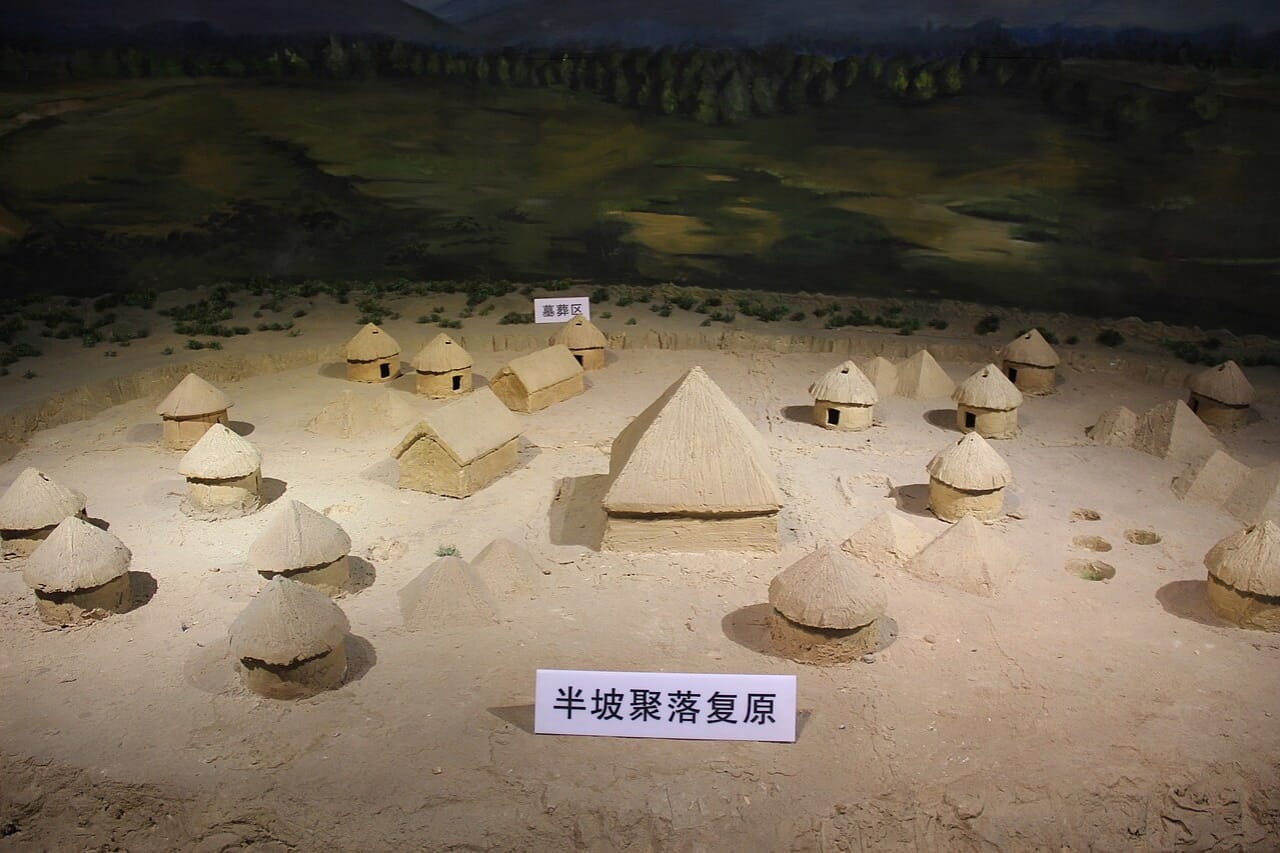
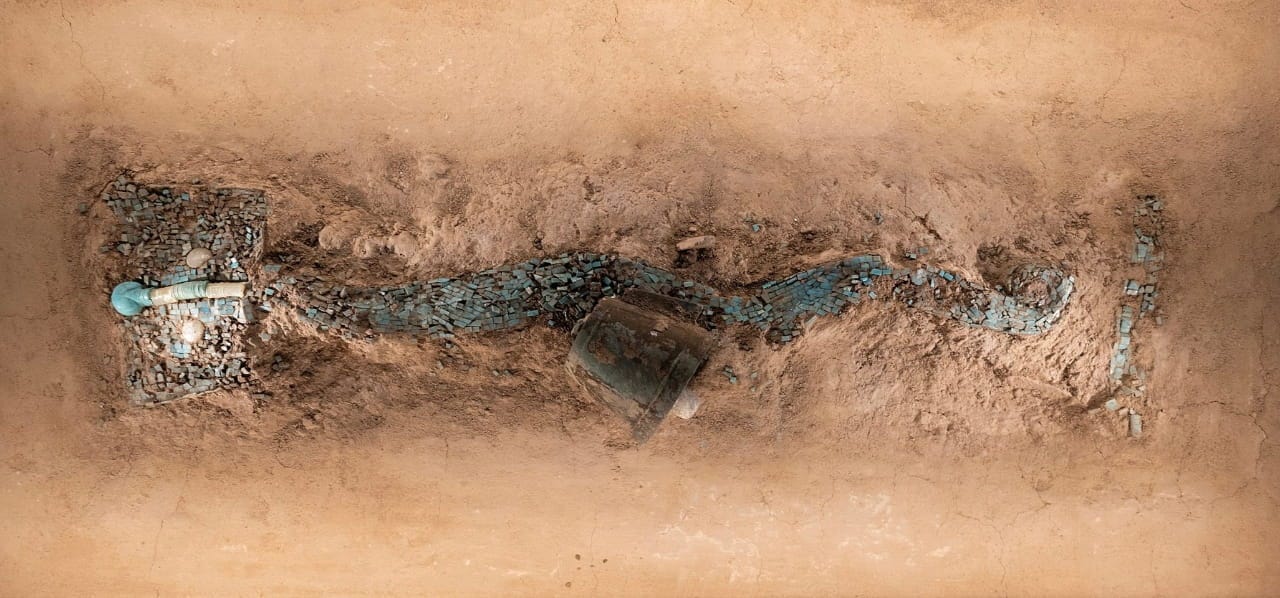
At Jiahu, a Neolithic settlement in Henan Province occupied during the Peiligang period (7000 to 5000 BCE), a small number of graves contain turtle carapaces and plastrons, and some of the shells carry incised signs that resemble, in form, the oracle bone inscriptions of the Shang dynasty thousands of years later. The people buried there lived in modest villages of semisubterranean houses and subsisted mainly by hunting and gathering, with some early rice use and limited cultivation. Even so, a new analysis of inequality in ancient China assigns Jiahu a Gini coefficient of 0.58 for one phase and 0.60 for the next.
Those figures, together with 0.62 at the Shigu site, sit above the 0.52 the authors report as the average for the agricultural units in their sample. The study, published in Science Advances1 by Dongdong Li and Xingcan Chen of the Institute of Archaeology at the Chinese Academy of Social Sciences in Beijing and Suwei Guo of the School of History at Renmin University of China, runs against a belief most educated readers hold without having examined it: that inequality is what grain did to people, that stored surplus produced owners and heirs, and that a society of foragers is by default a society of rough equals.
The comparison has limits the authors state themselves. Median Gini coefficients for hunter-gatherer units fall below those of agricultural units, but the confidence intervals overlap broadly, and the paper reports no statistically significant difference between the two. Jiahu and Shigu are a few cases within a sample of eleven hunter-gatherer units, fifteen agricultural and eighteen agropastoral.


