
When Climate Turned Abrupt
Roughly 8,200 years ago, the Northern Hemisphere lurched into a sudden cold and dry interval. Ice cores from Greenland first recorded it, but its fingerprints stretched far beyond the North Atlantic. Rain belts shifted south. Summers weakened. Landscapes that had seemed stable for centuries became unreliable within a few human lifetimes.
For archaeologists,1 the so called 8.2 ka event has often played the role of executioner. Across the North China Plain, many early Neolithic settlements faltered or vanished during this climatic downturn. Villages shrank. Occupations ended. Cultural sequences broke.
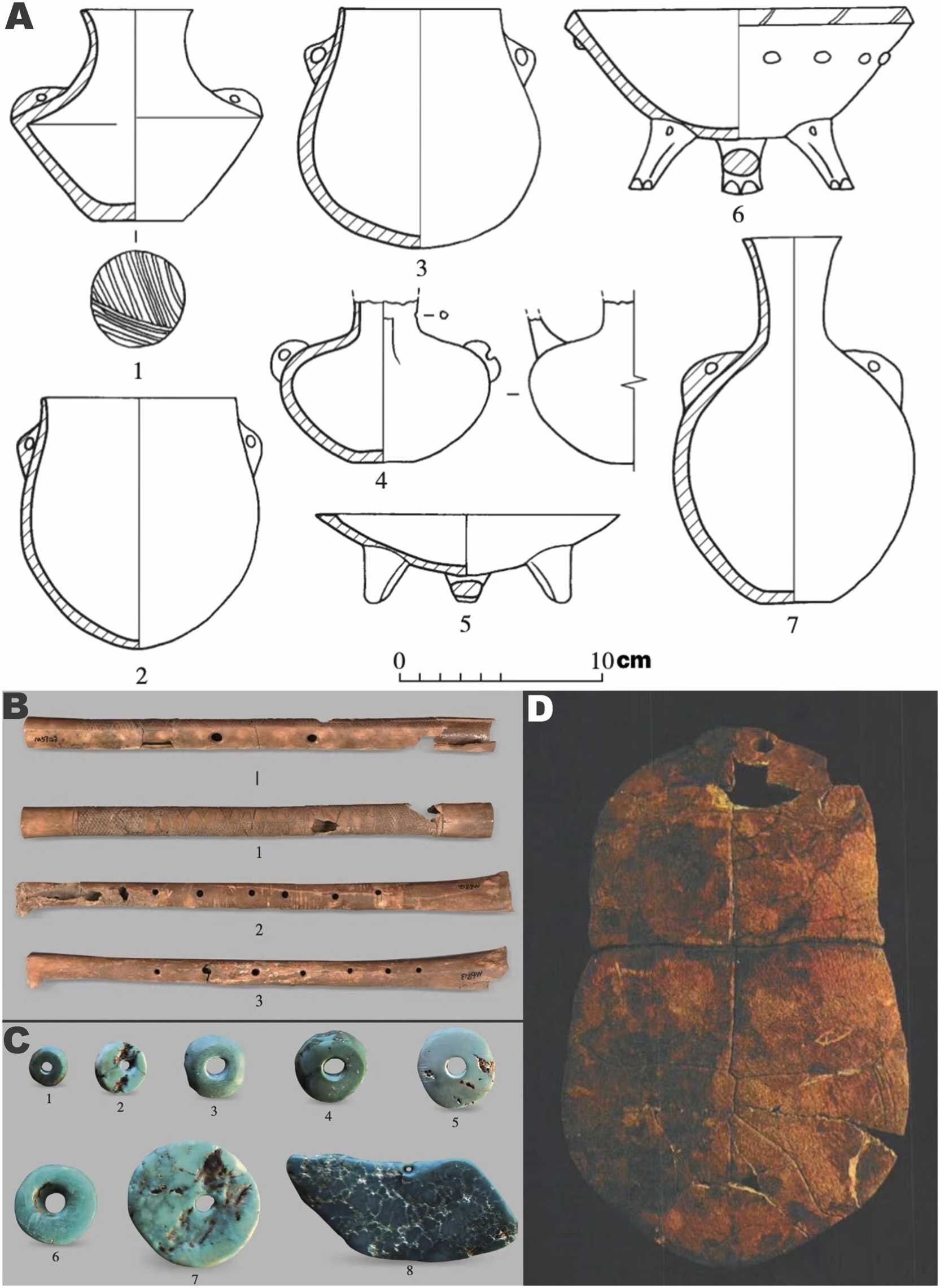
One site, however, refused to follow the script.
Jiahu, in today’s Henan Province, endured. More than that, it changed in ways that complicate how archaeologists talk about climate “collapse.”
“The archaeological record at Jiahu challenges the assumption that abrupt climate stress necessarily leads to social failure,” notes Dr. Lian Chen, an environmental archaeologist at Peking University. “The response was not disappearance, but reorganization.”


