
The People Who Never Left
A genetic study reveals how one Greek population stayed put for 1,400 years while the world changed around them
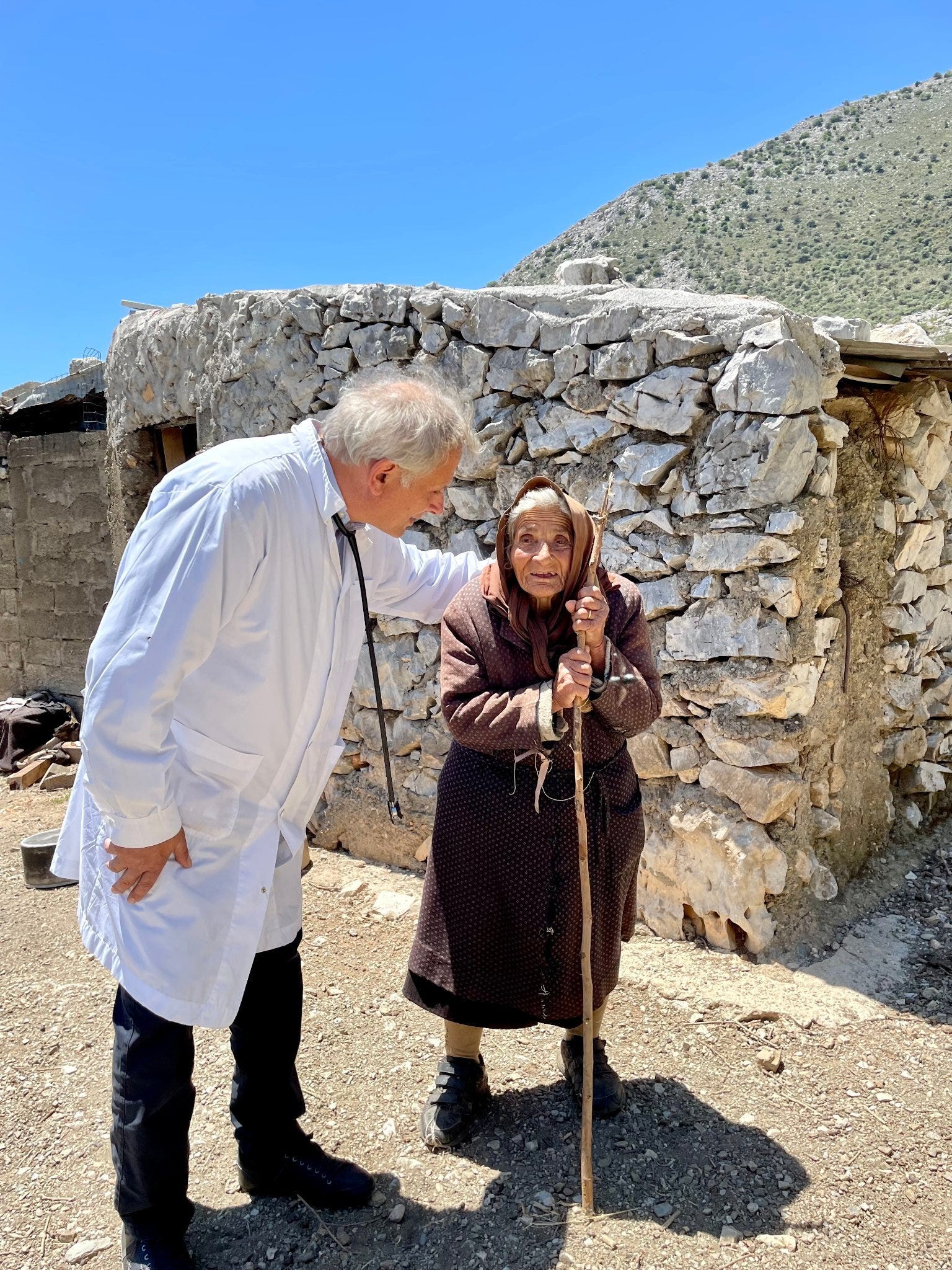
There’s a peninsula at the southern tip of mainland Greece where the villages are built from stone and the families still remember who their ancestors were five hundred years ago. Deep Mani, they call it. The place sits below the Taygetos mountains, facing the sea, and for most of recorded history it has been hard to reach and harder to govern. The people there speak a dialect that linguists find unusual. They live in tower houses that exist nowhere else. And according to a new genetic study, they descend almost entirely from populations that were already in southern Greece before the sixth century.
That makes them strange. Not because old ancestry is rare. Everyone alive today descends from people who lived in the Bronze Age. But most populations mixed, moved, absorbed newcomers, sent their own people elsewhere, and remade themselves again and again over the centuries. The Deep Maniots did not. When Slavic groups moved into the Balkans in the sixth and seventh centuries and changed the genetic and linguistic landscape of Greece, Deep Mani stayed Greek. When Germanic peoples, Crusaders, and Albanian-speaking groups arrived in waves during the medieval period, Deep Mani remained isolated. The Y-chromosome lineages that are common across the rest of mainland Greece today are almost entirely absent in Deep Mani. Instead, the paternal lines there trace back to the Bronze Age, the Iron Age, and the Roman period.
The study, published in Communications Biology,1 analyzed DNA from 102 individuals with confirmed Deep Maniot ancestry. Researchers used high-resolution sequencing to map both paternal lineages, carried on the Y chromosome, and maternal lineages, carried in mitochondrial DNA. They compared those sequences to over a million modern samples and thousands of ancient genomes. They found almost no matches outside Deep Mani. The population is what geneticists call an isolate. A genetic island.


