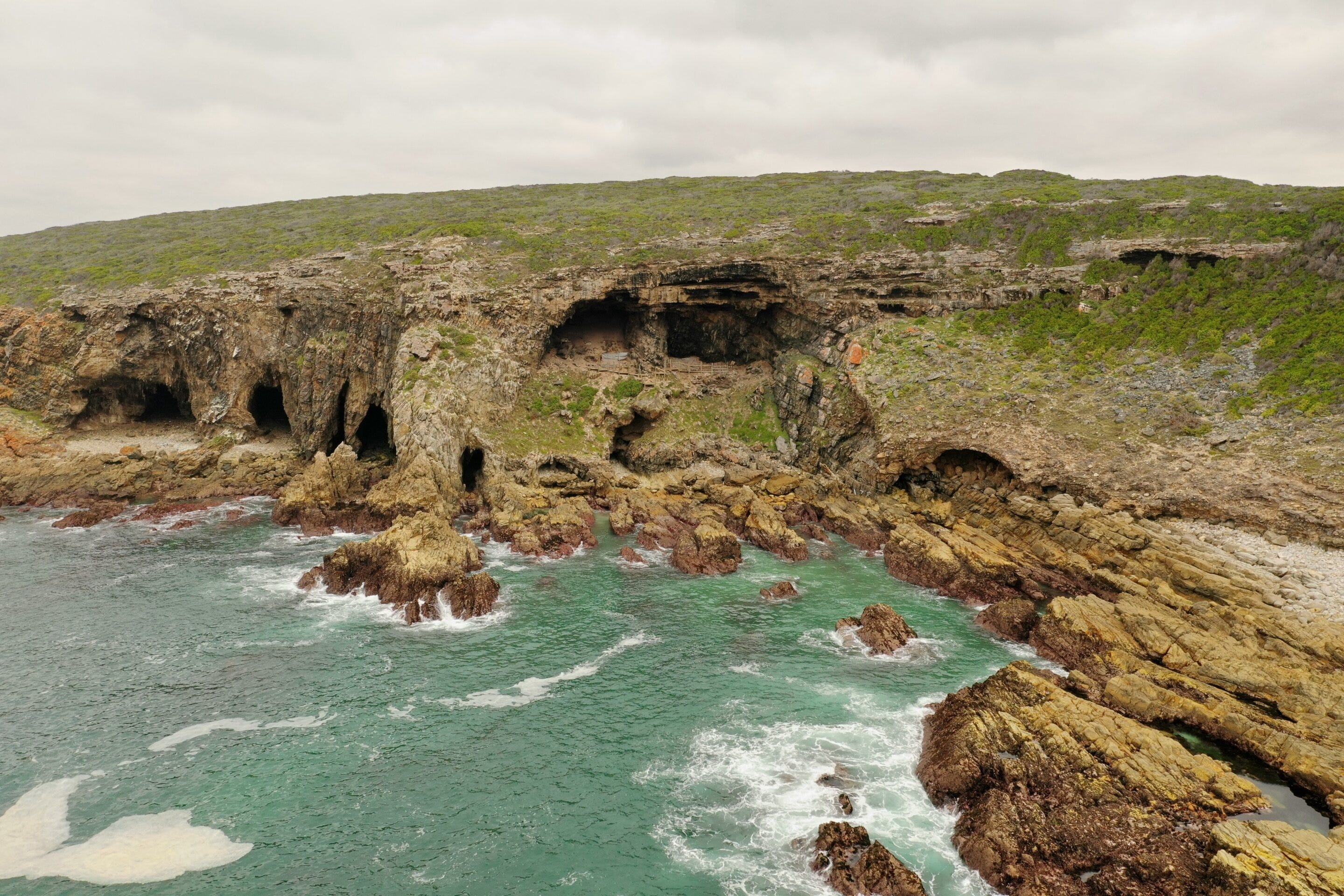
At Klipdrift Shelter, on the southern Cape coast of South Africa, the Howiesons Poort deposits contained a continuous sheet of ochre-rich sediment that was dug out in the 2011 to 2013 seasons and never mapped. Its precise extent was not documented, so the size now comes from photographs and site notes: possibly more than a metre long and 40 cm wide, with surviving pieces 5 to 7 mm thick and a maximum of perhaps 1 cm. The layers date to roughly 60,000 years ago. A team has now tested archived samples from that surface for protein and found eland collagen.
Most readers of this site carry a working assumption about Middle Stone Age ochre. The red powder survives, whatever it was mixed with does not, and so its use gets inferred from grindstones, stained shells and San ethnography. This paper tests that assumption directly and finds a species-level protein signal in the powder itself.
What did the Klipdrift study find?
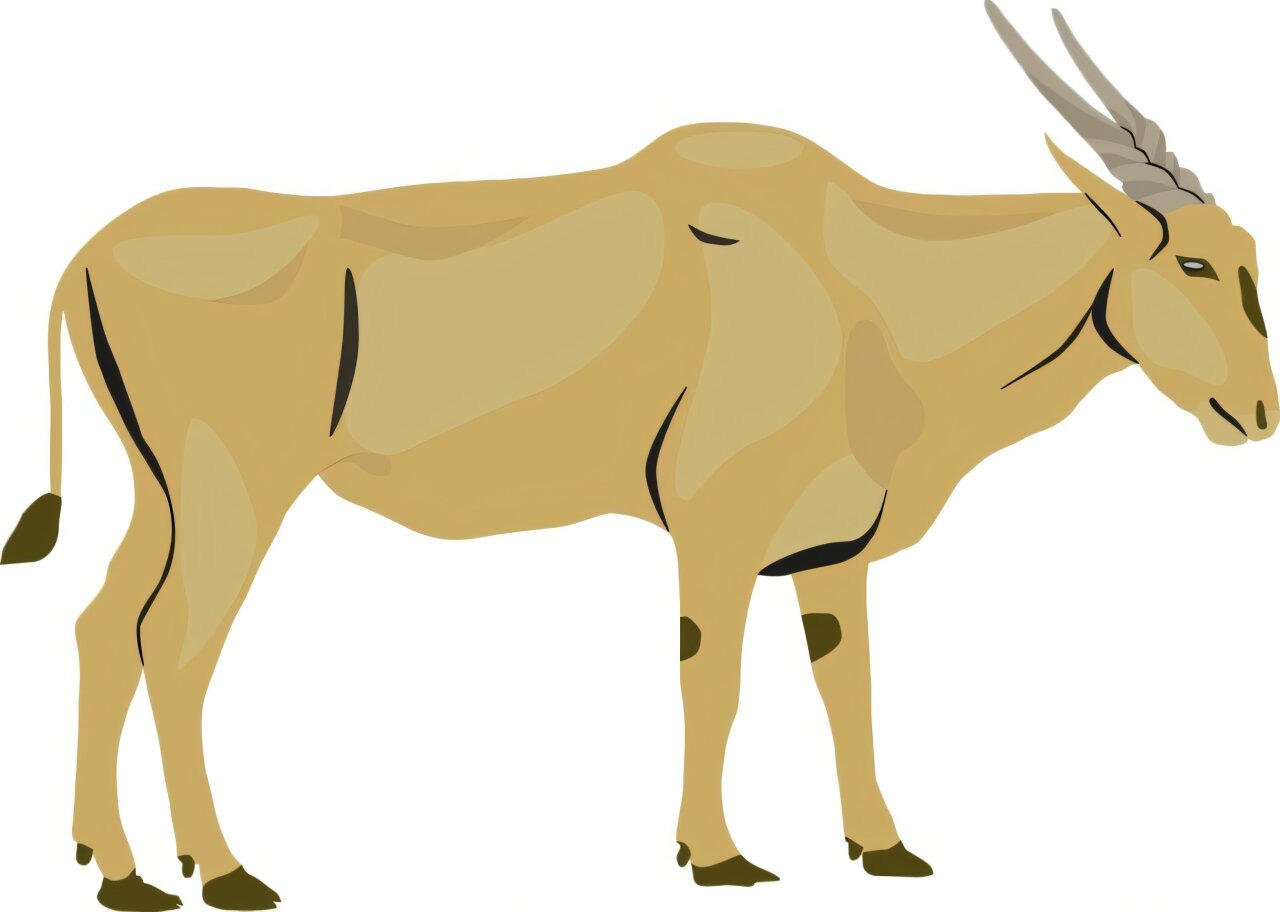
Zahra Haghighi (SapienCE, University of Bergen) and colleagues, including Takumi Tsutaya and Enrico Cappellini, report in Proceedings of the Royal Society B1 that two of five archived sediment samples yielded type I collagen. One sample came from layer PBD and one from PBE, and the collagen matched common eland, Taurotragus oryx. The authors offer two readings: eland protein was mixed into an ochre preparation, or an ochre-covered eland hide was left at the site and decayed, leaving the ochre behind. They call a human origin most probable. They also say the single case cannot support ritual significance for eland.