

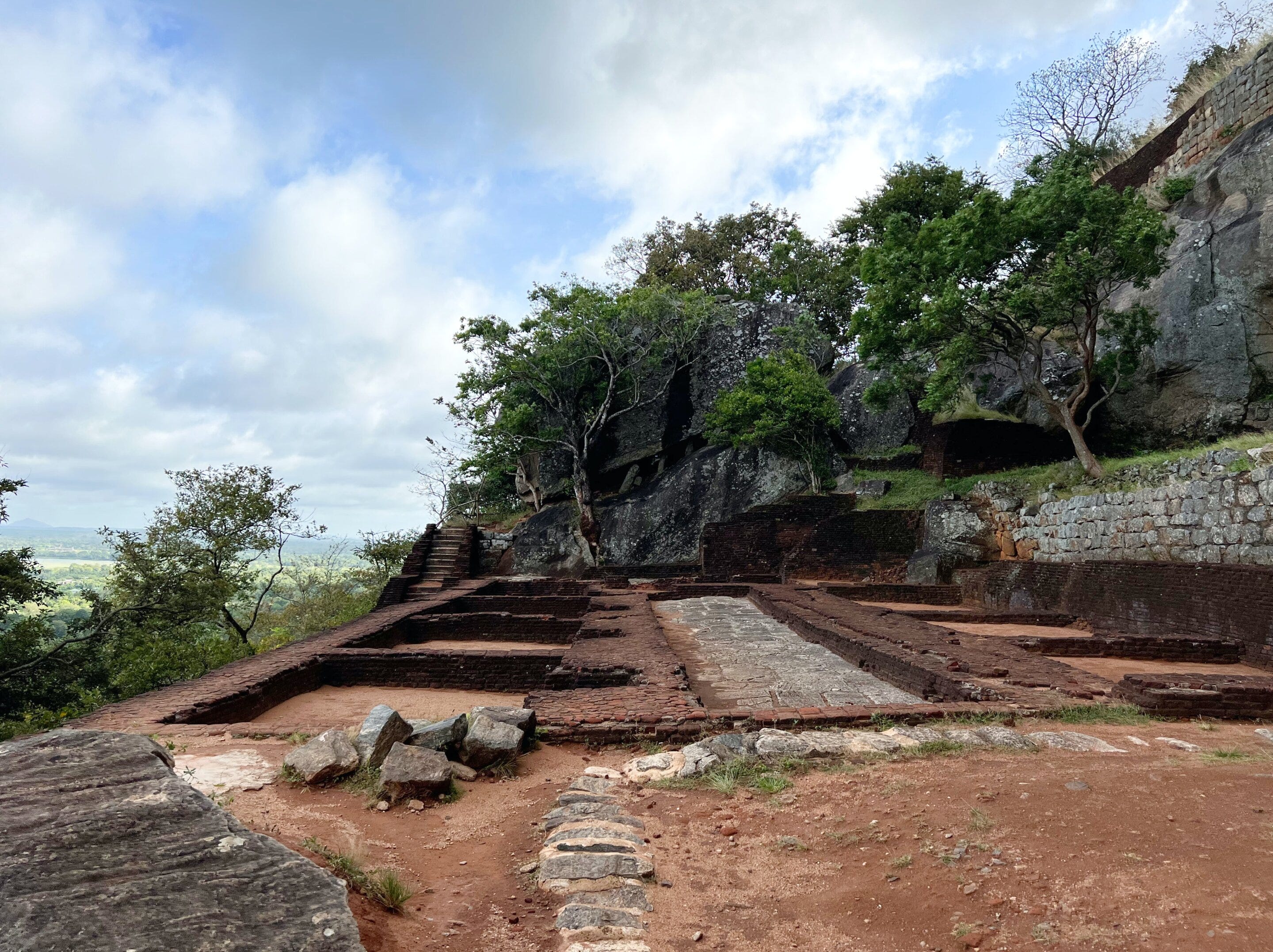
Dig a trench and you destroy it. That’s the part nobody outside archaeology quite absorbs. You can’t re-excavate a stratigraphic layer to check your notes. Once the soil comes out, the context is gone, and whatever you wrote down, photographed, or scanned on the way down is now the only version of that moment that will ever exist. This isn’t a metaphor about the fragility of the past. It’s a description of a Tuesday on site.
A new study1 out of the University of Barcelona sat down with fourteen principal investigators running archaeological projects across Catalonia and asked them, in long, unhurried interviews, how they actually manage all that irreplaceable material. Not how they’re supposed to, according to some funding agency’s checklist. How they actually do it, in practice, on the ground, with the tools and time they have.
The answer turns out to be: pretty well, mostly by instinct, and almost entirely without anyone having taught them how.


