
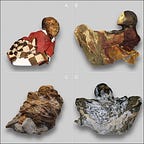
The last centimeter of hair from a girl of about eight, buried on the volcano Chuscha in Argentina during the Inca Empire, holds a chemical missing from the five centimeters grown before it. That chemical is cocaethylene, which the liver makes when cocaine and alcohol are in the blood together. Its arrival suggests that in roughly the final month of her life this child was drinking heavily while taking coca. Earlier tests on the same mummy found no cocaine at all.
The result comes from new drug testing on Inca mummies, and it complicates a picture many readers carry of the capacocha, the rite in which the Incas sacrificed children and young women to serve as messengers to the gods. The colonial chronicles read almost like a recipe, with chicha (maize beer) to calm the child and crushed coca placed in the mouth before the killing. From there it is easy to assume one state ritual with one drug routine. This paper supports part of that picture and raises doubts about the rest, though less firmly than its press release suggests.
What drugs were found in the Inca mummies?
Dagmara Socha of the University of Warsaw, Marzena Sykutera of Nicolaus Copernicus University in Toruń and six colleagues report in Antiquity1 that coca markers turned up in all six hair samples they tested and the alcohol marker in four of those six. Harmine, an alkaloid linked to ayahuasca, appeared in one nail from one person. They searched for ten compounds in eight individuals from five volcanoes in Peru and Argentina. None of the eight showed harmaline, mescaline (from San Pedro cactus), N,N-DMT or bufotenine (from Anadenanthera and Virola), or scopolamine or atropine (from Brugmansia and Datura).
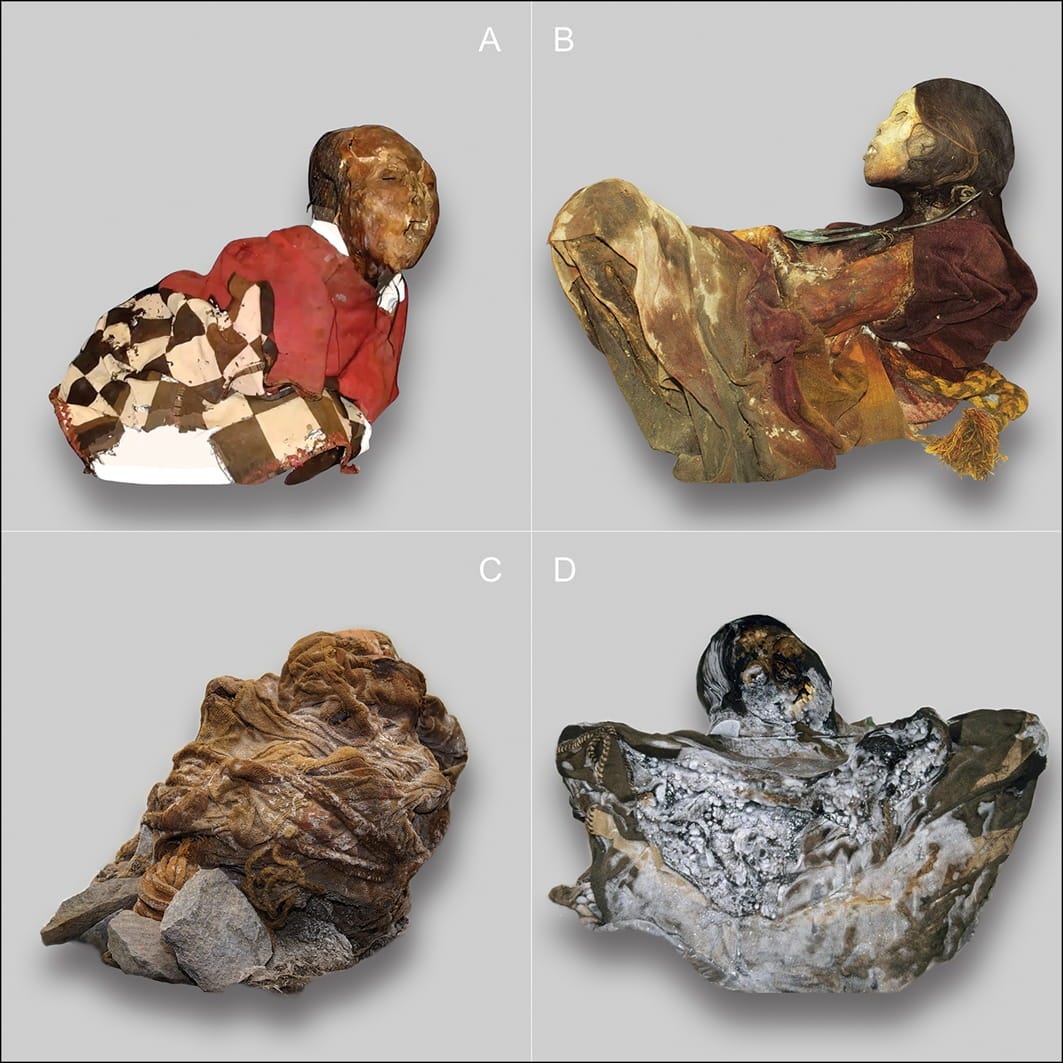
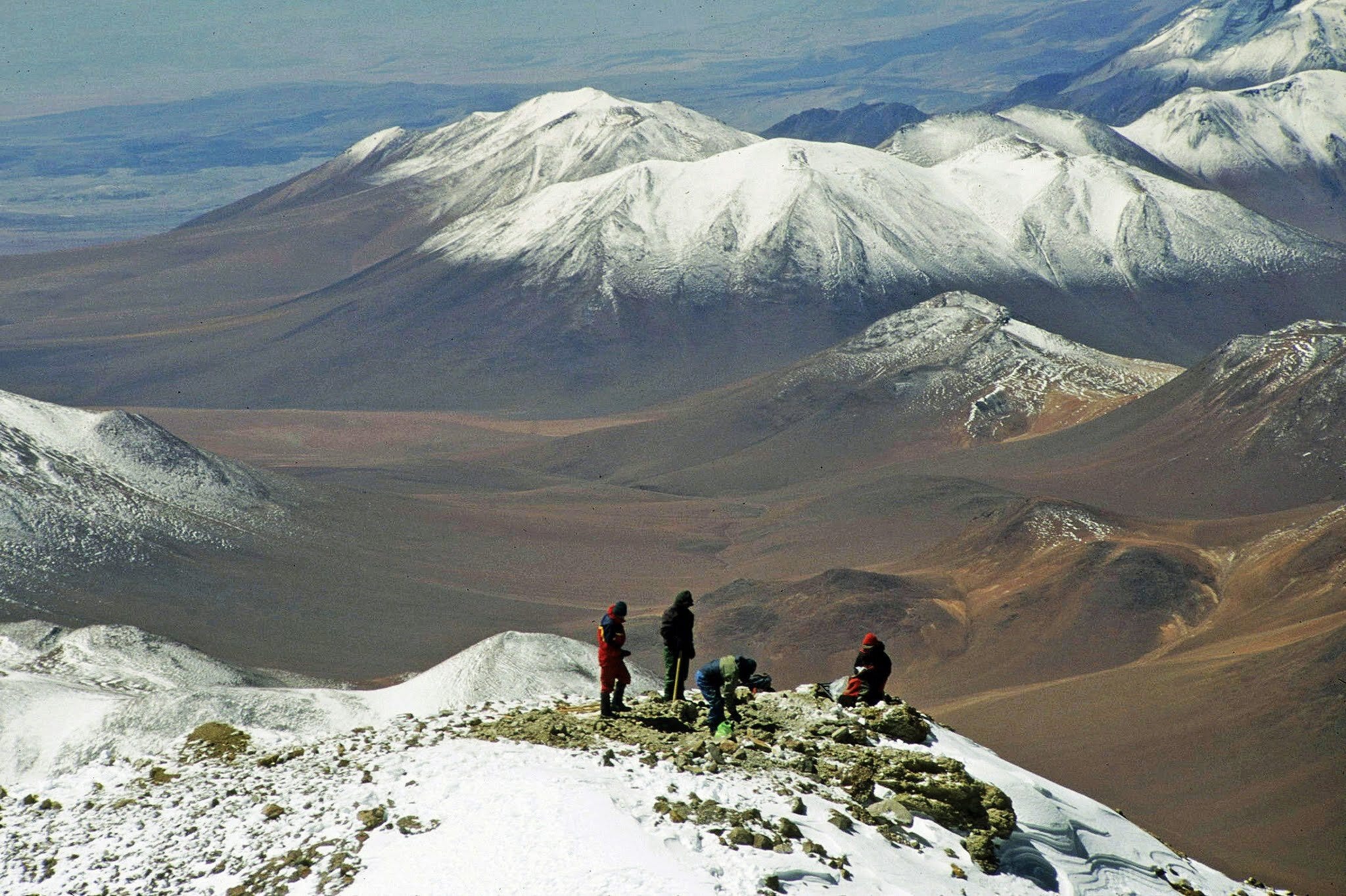
Two of the eight came from Ampato in Peru: Ampato #1, a girl of 14 known as the Ampato Maiden (the press release calls her the Lady of Ampato, or Juanita), and Ampato #4, a girl of about 10. Sara Sara, also in Peru, gave a girl of about 14. In Argentina, Chuscha gave the girl of about eight, Quehuar a girl of about 10, and Llullaillaco three children: the Doncella, about 14; the Younger Girl, about six; and the Boy, seven. The main text gives no date for any of them, only the span of the Inca Empire, from the late thirteenth century to 1572 CE.
The method depends on keratin, the protein in hair and nails, which traps compounds circulating in the body. Hair grows outward from the scalp, with each centimeter standing for about a month, so a strand can be read as a rough timeline. Nails can’t, because compounds enter them by more than one route. The team washed each sample, then ran an extract through liquid chromatography-tandem mass spectrometry, which separates the compounds in a sample and identifies each by its mass and the fragments it breaks into. Results come in picograms per milligram (pg/mg), or trillionths of a gram in each thousandth of a gram of sample.
The results span about four orders of magnitude. Cocaine measured 16,740 pg/mg in the Doncella, who was also found with a coca quid (a ball of dried leaves) in her mouth, 1,410 in the Boy and 960 in the Younger Girl. It measured 31 in the last centimeter of the Chuscha hair, 2.5 in Ampato #4 and 1.5 in Sara Sara. Benzoylecgonine, the main product of the body’s breakdown of cocaine, accompanied it each time. Cocaethylene appeared only in the Llullaillaco children and Chuscha. The two nails gave harmine at 0.6 pg/mg in Ampato #1 and no target compound in Quehuar.
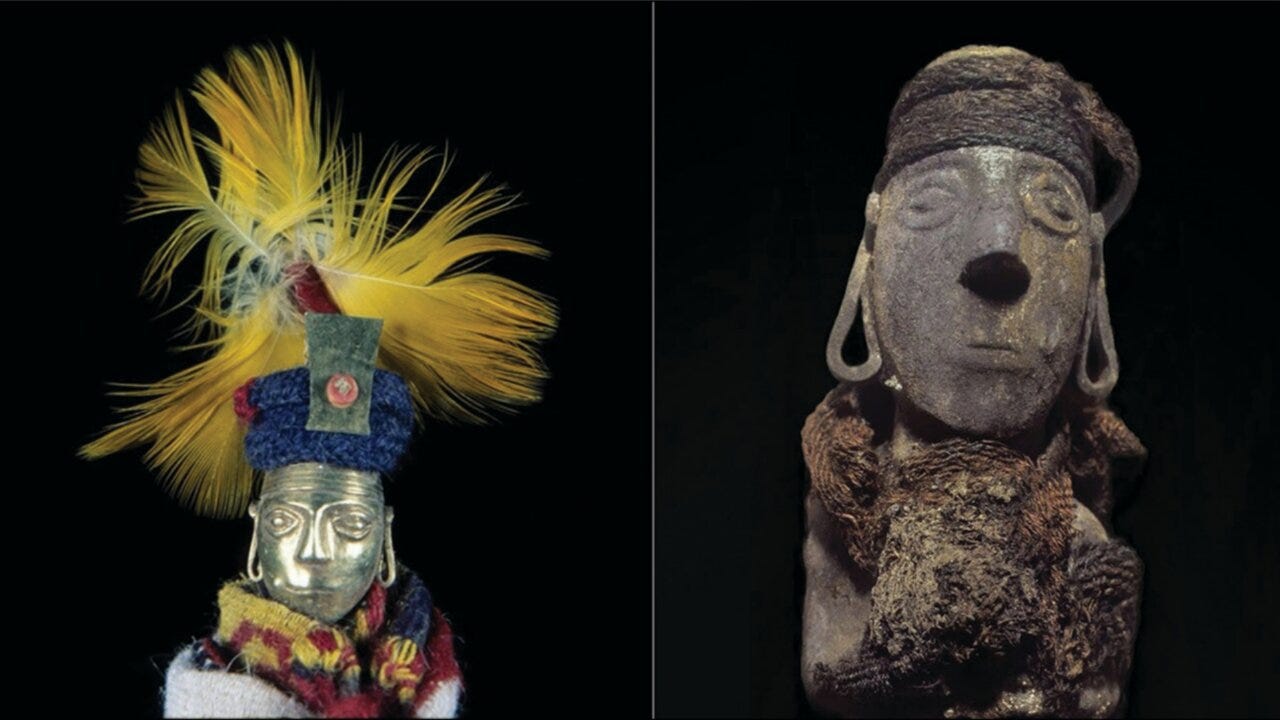
I find the coca result the strongest in this paper, because the drug and its breakdown product appear together in every hair sample, and quids and cheek-bulged figurines agree. It also reverses earlier negative tests on Chuscha and Sara Sara. The authors credit improved sensitivity, which seems likeliest, although Sara Sara’s 1.5 pg/mg is a small number to carry a reversal.
Chuscha is the only sample read segment by segment, across six 10 mm sections covering about six months. Cocaine ranged from 135 to 342 pg/mg in the five older segments, then fell to 31 nearest the scalp, where cocaethylene appeared at 57. The authors estimate cocaethylene at about 166 percent of cocaine in the blood and suggest the shift marks entry into the final stage of the ritual. They concede that the variation could be an artifact of preservation and metabolism. I trust the appearance of cocaethylene more than the fall in cocaine, because the cocaine series already jumps from 135 to 342 between neighboring months, while cocaethylene is absent from five segments and then present. This is still one strand from one child, and grave robbers took her body in the 1920s and sold it into private collections before it reached the museum in Salta. The paper doesn’t discuss what that history may have done to the hair.
Did Inca children take ayahuasca before sacrifice?
The ayahuasca claim is the one most likely to travel, and it rests on the smallest number in the paper. Ayahuasca refers to the Banisteriopsis caapi vine and to drinks made from it, often combined with a second plant that supplies N,N-DMT. Harmine blocks the breakdown of psychedelic compounds, so it can prolong the effects of that second plant. The authors argue that Banisteriopsis or a related Amazonian plant is the most probable source of the Ampato #1 harmine, which would imply long-distance trade. They dismiss Passiflora as a source but don’t separately rule out tobacco.
I don’t think this measurement can yet carry an argument about one mountain’s ceremonies, because the comparison between mountains is confounded by tissue. Harmine appeared in no hair sample from anyone, only two nails were tested, and Chuscha, Sara Sara and Llullaillaco contributed none. The authors report contamination in the nails, probably environmental, that made results hard to interpret, and they raise the possibility that nails and hair take up these compounds differently. Then they read the absence of harmine in the hair of Ampato #4 as a possible sign of different treatment or a separate ceremony. CT scans do suggest she was a secondary burial (Socha et al. 2026), but her hair can’t say much about harmine when no hair tested positive.
What keeps me from dismissing the finding is earlier work by the same group, which reported harmine and harmaline in two other children from the mountain, Ampato #2 and #3 (Socha et al. 2022b). That makes three individuals from one mountain across two studies, though this paper doesn’t say which tissue the earlier results came from. Dr Dagmara Socha, lead author of the research, from the University of Warsaw, said in a statement from Antiquity that the harmine,
“may indicate that a harmine-containing beverage had a specific role in ceremonies connected with this particular sacred mountain.”
The authors’ next step is where I part with them. They suggest the vine may have been taken alone for its medicinal value, possibly to calm the children, and say the absence of other hallucinogens supports this. The same discussion warns that tryptamines such as N,N-DMT enter keratin poorly, so a negative test for them is weak evidence that they were absent. A modern study of ayahuasca (Osório et al. 2015) also can’t show what Inca ritual specialists intended for a 14-year-old, and a 0.6 pg/mg trace with no timeline says nothing about dose.
Was the capacocha one standardized ritual?
The paper’s largest claim is that the differences may reflect distinct mountain deities and local variation, and the design can’t separate that from simpler explanations. The mountains differ in tissue tested, length of hair analyzed and burial history. The Llullaillaco and Chuscha figures cover only the 10 mm nearest the scalp, while Ampato #4 and Sara Sara were analyzed whole, and Chuscha’s own cocaine values run from 31 to 342 depending on which centimeter is tested. The authors note that burial conditions can substantially reduce drug levels, but they don’t apply that caution when comparing mountains, so the gap between the Doncella and Sara Sara could reflect dose, survival or both. Three mountains are represented by one person each, and the absence of cocaethylene in the two Peruvian hair samples is hard to interpret when cocaine itself sits below 3 pg/mg in both.
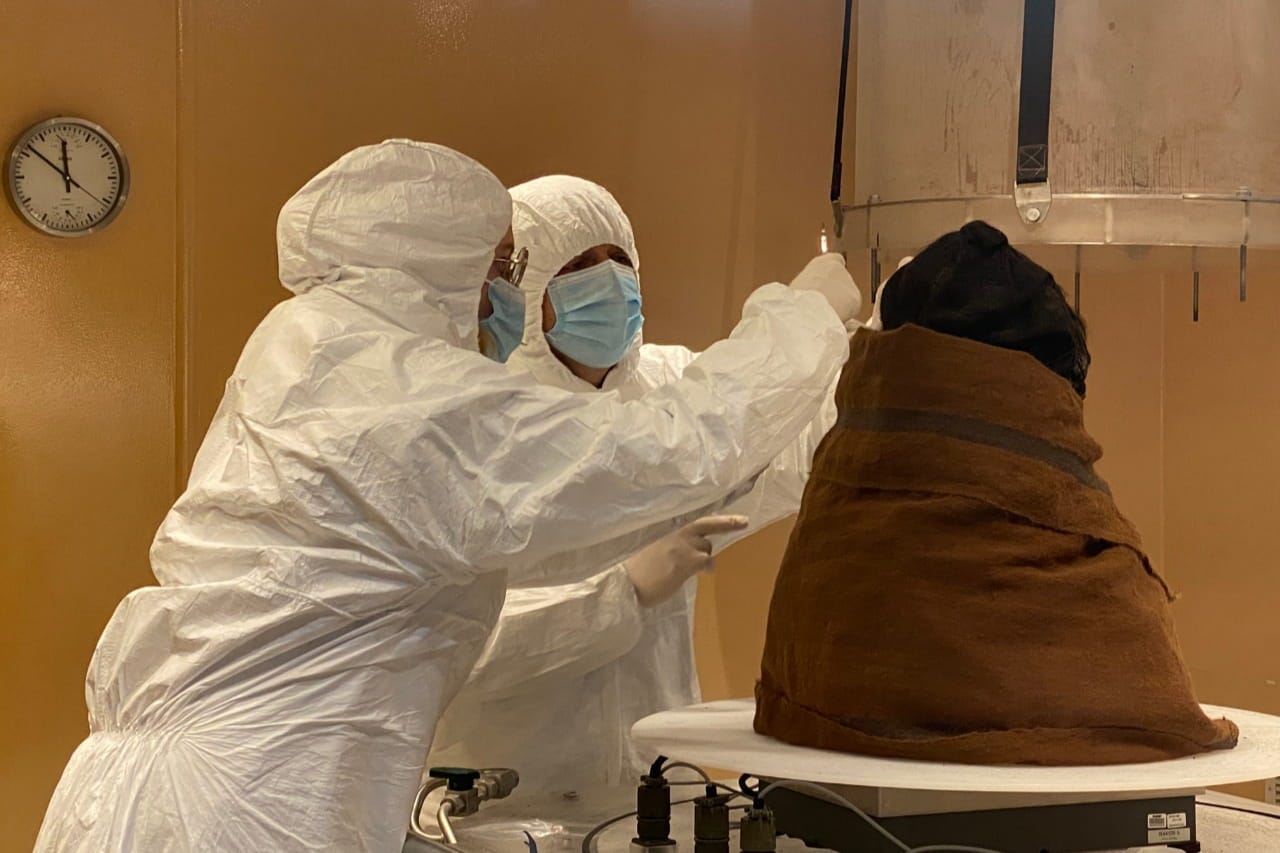
The press release goes further than the data in several places. It says “All eight were found to have consumed coca leaves,” but the paper reports cocaine in all hair samples, and its Table 1 shows none in the nails of Ampato #1 or Quehuar. Those two can’t be scored as negative either, which is why the authors call for testing their hair. The release also says the findings show differences in “the substances given to each sacrificed individual,” whereas the paper says everyone originally buried on Ampato and on Llullaillaco received the same substances. And it keeps prophecy near the top of the story, while the paper’s discussion and conclusion move divination toward later practice at the sanctuaries.
Socha sums up the broader claim in the same statement:
“What we are seeing is that the capacocha was not a single standardized ritual, but rather, the Incas appear to have adapted it to different cults and local religious traditions.”
I think that is a reasonable hypothesis, and the Llullaillaco children, who share a mountain and a chemical profile, fit it, but the paper’s own wording, that differences may derive from deities and local practice, is more careful than the quote.
What tests could settle the capacocha question?
My verdict is that this paper is partly convincing. Its firmest contribution concerns old negative results: two mummies once reported clean now test positive for coca, so the Aconcagua negative, reported alongside them, should no longer count as evidence of absence, and that mummy deserves a retest. I’m confident about coca in the six hair samples and fairly confident about alcohol at Chuscha and Llullaillaco, where a compound that requires both substances was measured directly.
I’m much less sure about the two claims most likely to make headlines, that harmine marks an Ampato-specific rite and that the chemical differences track different deities, because both depend on comparing unlike samples.
Two samples would do most of the work. The authors already call for hair from Ampato #1, and that hair should carry coca as every other hair sample here did; if it also holds harmine, the result moves out of a nail and gains a timeline. The second is a nail from the Llullaillaco Doncella, who had the highest coca values. If her nail shows harmine at a similar level, the Ampato pattern is probably an effect of testing nails, and if it stays clean under the same method, the mountain hypothesis has its first direct comparison.
Further Reading
Osório, F. de L. et al. 2015. Antidepressant effects of a single dose of ayahuasca in patients with recurrent depression: a preliminary report. Revista Brasileira de Psiquiatria 37. https://doi.org/10.1590/1516-4446-2014-1496
Socha, D.M. et al. 2022b. Ritual drug use during Inca human sacrifices on Ampato mountain (Peru): results of a toxicological analysis. Journal of Archaeological Science: Reports 43. https://doi.org/10.1016/j.jasrep.2022.103415
Socha, D.M. et al. 2026. Paleoradiology opens new insights into frozen mummified children from Ampato and Sara Sara volcanoes, Peru. Journal of Archaeological Science: Reports 70. https://doi.org/10.1016/j.jasrep.2026.105610
Socha, D., M. Sykutera, W. Martinez Sulca et al. 2026. Toxicological studies on the Inca frozen mummies from volcanoes in Peru and Argentina. Antiquity: 1–19. https://doi.org/10.15184/aqy.2026.10439


