

Here’s the problem with Malta. Somewhere between 8,500 and 7,500 years ago, hunter-gatherers were living there. We know this now from excavations at Latnija, in the island’s north, where stone tools and butchered animal bone push the human presence back two thousand years earlier than anyone expected. That much has already reshaped the story of Mediterranean prehistory. But a new study in PNAS Nexus,1 led by James Blinkhorn and colleagues, asks a different question, one that’s arguably more unsettling: even granting that foragers reached Malta, how did they stay there?
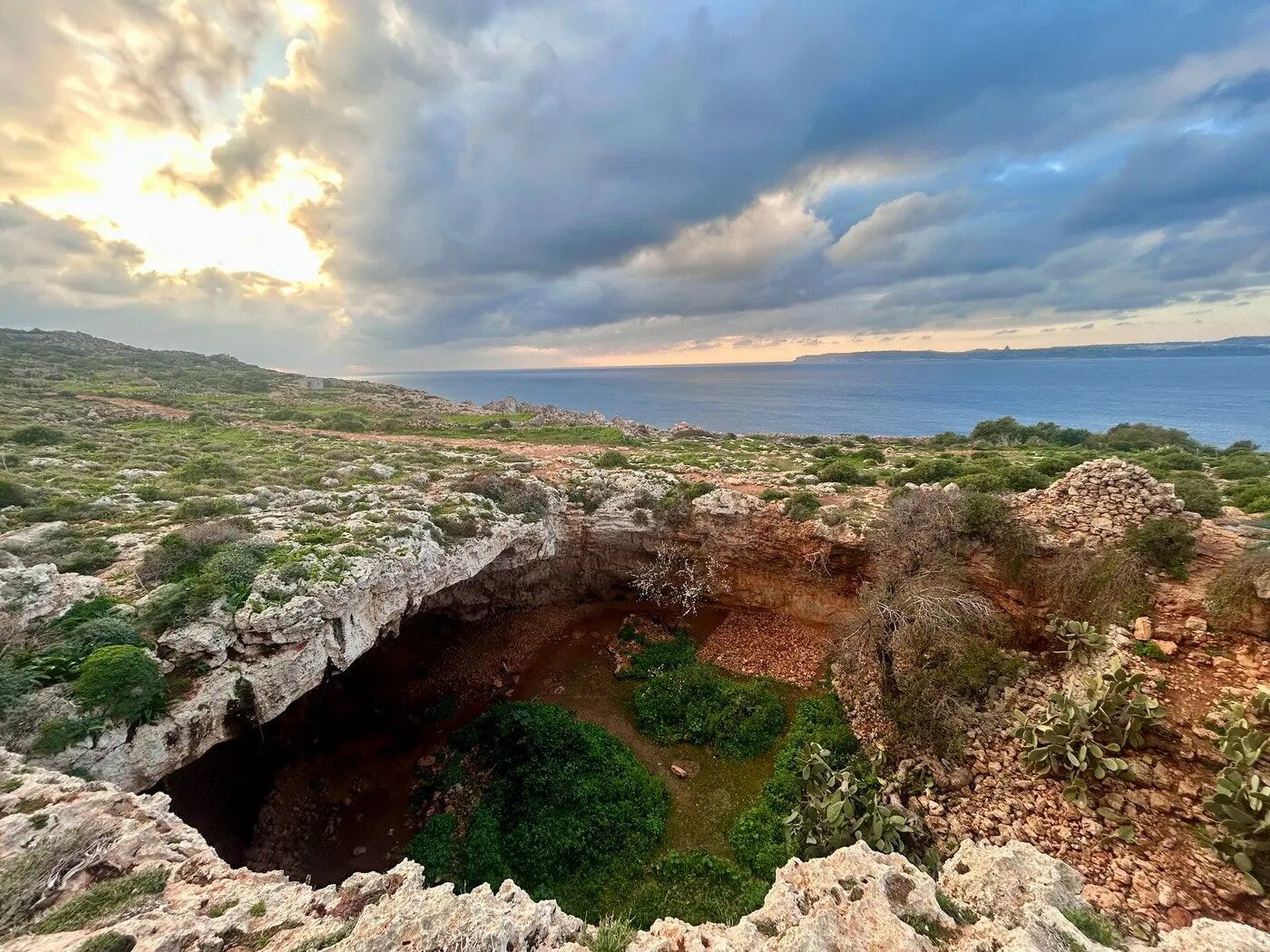
The island is small. It’s dry. It has almost no large terrestrial fauna beyond an endemic deer population, and it sits across open water from Sicily, its nearest neighbor. None of this is new information. What’s new is a quantitative attempt to figure out exactly how many people Malta’s environment could have supported at any given moment between the Last Glacial Maximum and the present, and whether that number was ever large enough for a population to survive on its own, without outside contact, for the better part of a millennium.
The answer is no. Not even close.


