

For decades, the map of Neanderthal bone tool use looked like this: sites scattered from the Altai Mountains in Central Asia all the way to the Atlantic coast, a wide arc of evidence showing that Neanderthal groups across Eurasia picked up bone, not just stone, and turned it into something useful. Then there was a gap. Right in the middle of that arc, the Carpathian region of Romania had produced nothing. No bone tools. No hint that the Neanderthals living there did what their counterparts to the east and west were doing.
That gap was strange, because it wasn’t for lack of Neanderthal sites. Abri 122/1200, a cave tucked into the Vârghiș Gorges, has been known and excavated for years, including a 2014 dig led by Marian Cosac and George Murătoreanu of Valahia University of Târgoviște. Luminescence dating places the site’s Middle Paleolithic occupation across an enormous span, from roughly 230,000 years ago (Marine Isotope Stage 7) down to around 60,000 years ago (Marine Isotope Stage 3). The people who lived there made stone tools. They hunted woolly rhinos and bison, animals that do not go down easy. And yet nobody had ever pulled a definitive bone tool out of that cave.
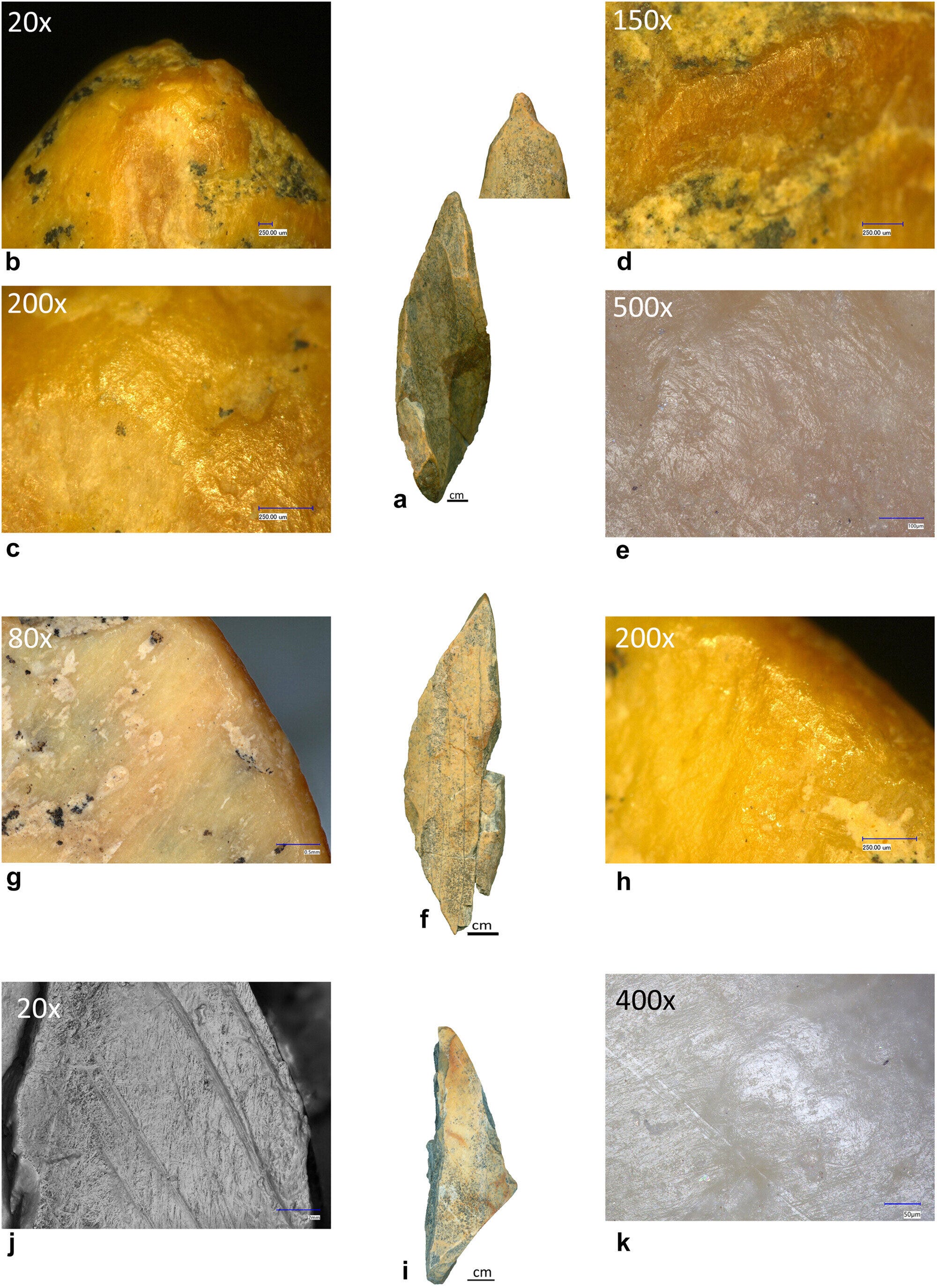
A team led by Monica Mărgărit, with Ștefan Vasile of the University of Bucharest among the co-authors, went looking for an answer. Their study, published in the Journal of Quaternary Science,1 suggests the tools were there all along. Nobody had been looking at the right bones.


