

Under a barrow at Kervadel, near Plobannalec in Finistère, a burial pit held a Late Neolithic battle axe that was never finished. It is a rough-out 36 centimeters long, made of meta-hornblendite, a pale stone flecked with black crystals from a source at Kerlevot-en-Pleuven that was used specifically for battle axes. The grave probably dates to around 3000 to 2700 BC. For scale, some of the elaborate lancet-shaped axes deposited in rivers in central and southeastern Germany and Upper Austria exceed 30 centimeters.
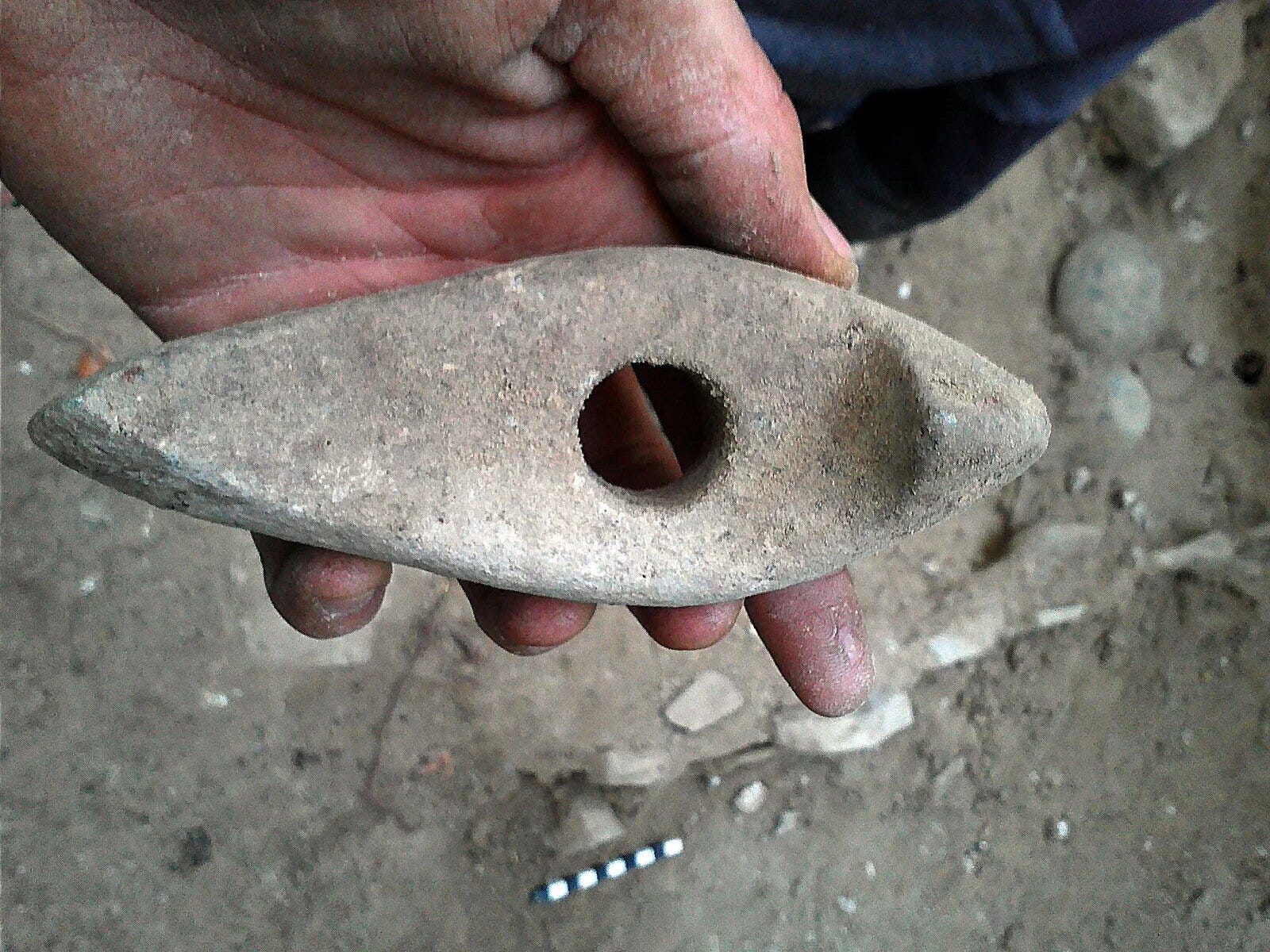
Axes of Kerlevot stone reached the Netherlands, and the double-edged forms made in western France have close relatives in Switzerland, northern Germany and Denmark. That sits badly with the usual account of about 3500 to 2600 BC, in which the Rhine was a cultural boundary: pottery traditions differed on each bank, and the long-distance contact of the earlier Michelsberg period faded until the Bell Beaker phenomenon revived it around 2600 BC. Heyd described the Rhine this way in 2021,1 and the standard maps of central European battle axes seem to bear it out.
Sebastian Schultrich, an archaeologist at the ROOTS Cluster of Excellence at Kiel University, argues in the journal Germania2 that the river was far less of a boundary. He maps three kinds of evidence together: stone battle axes, especially double axes; plain, roughly made pots known as coarse ware; and large collective tombs such as gallery graves. Their distributions overlap across France, the western Alps, Germany and Denmark. He calls the network the Coarse Ware Pottery Complex and says the evidence falsifies the idea of a gap phase between the Michelsberg and Bell Beaker horizons.
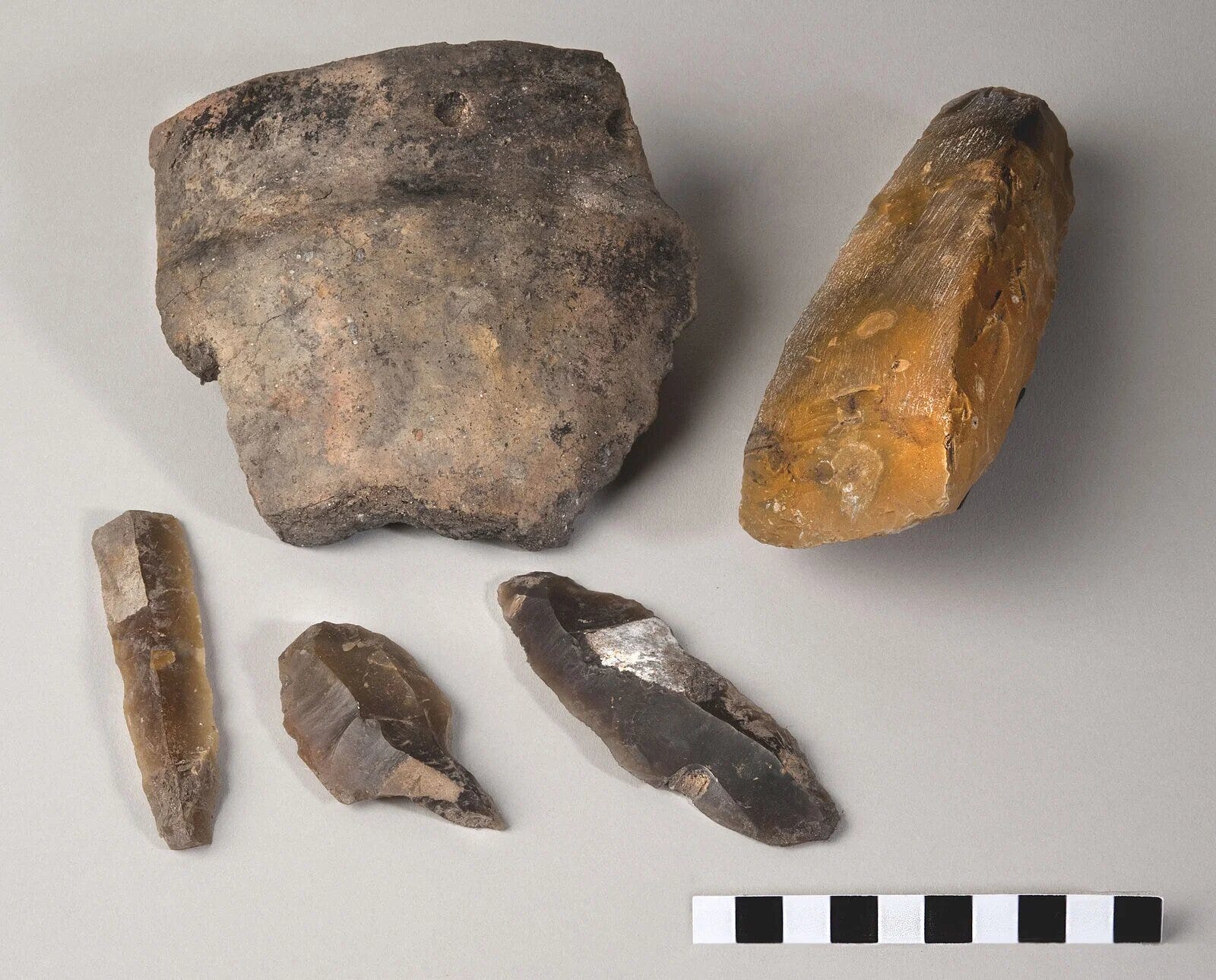
His more original claim is about how the similarities spread. The pots, Schultrich proposes, converged through habit, as potters moving within overlapping catchment areas, the zones where groups of potters worked, slowly aligned how they made everyday vessels without anyone intending a common style. The axes were copied on purpose, as a shared idea that each region reworked in its own forms and burial customs. He calls this a narratological continuum: a loose set of conventions about what a battle axe should look like and where it belonged, open to local reinterpretation.


