
Inside a fossilized rib from a deer-like animal, excavated from a site in central China called Lingjing, there were crystals. Actual calcite crystals, grown slowly inside the bone’s cavity, and they turned out to contain a clock.
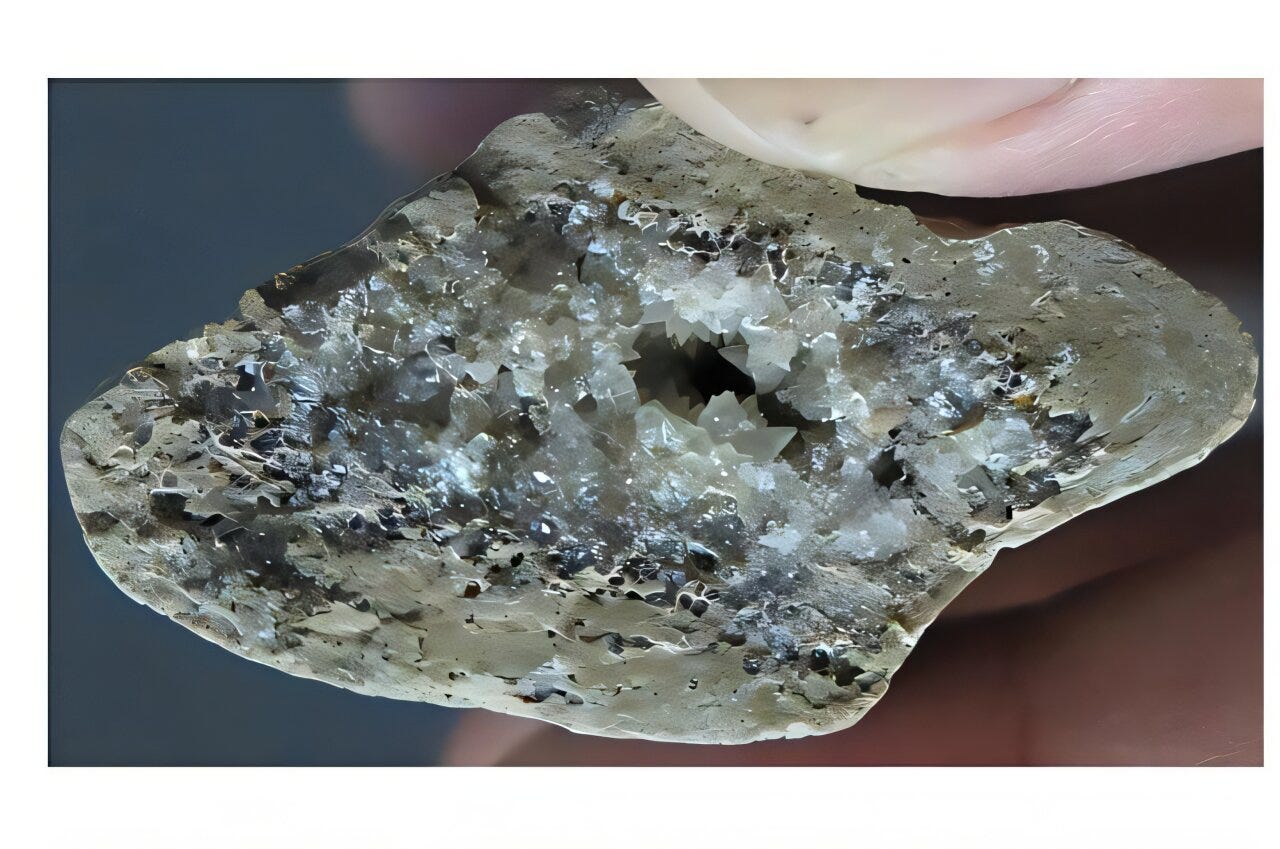
Calcite accumulates trace amounts of uranium as it forms. Uranium decays into thorium at a known rate. Measure the ratio of the two in a crystal and you get its age. Eight samples from a single ungulate rib placed Lingjing’s earliest occupation at around 146,000 years ago, roughly 20,000 years older than previous estimates derived from optically stimulated luminescence dating. The new dates, reported by Yuchao Zhao, Zhangyang Li, and their colleagues in the Journal of Human Evolution,1 are analytically tighter than the OSL figures they supersede, and they push the site across a significant climatic boundary.
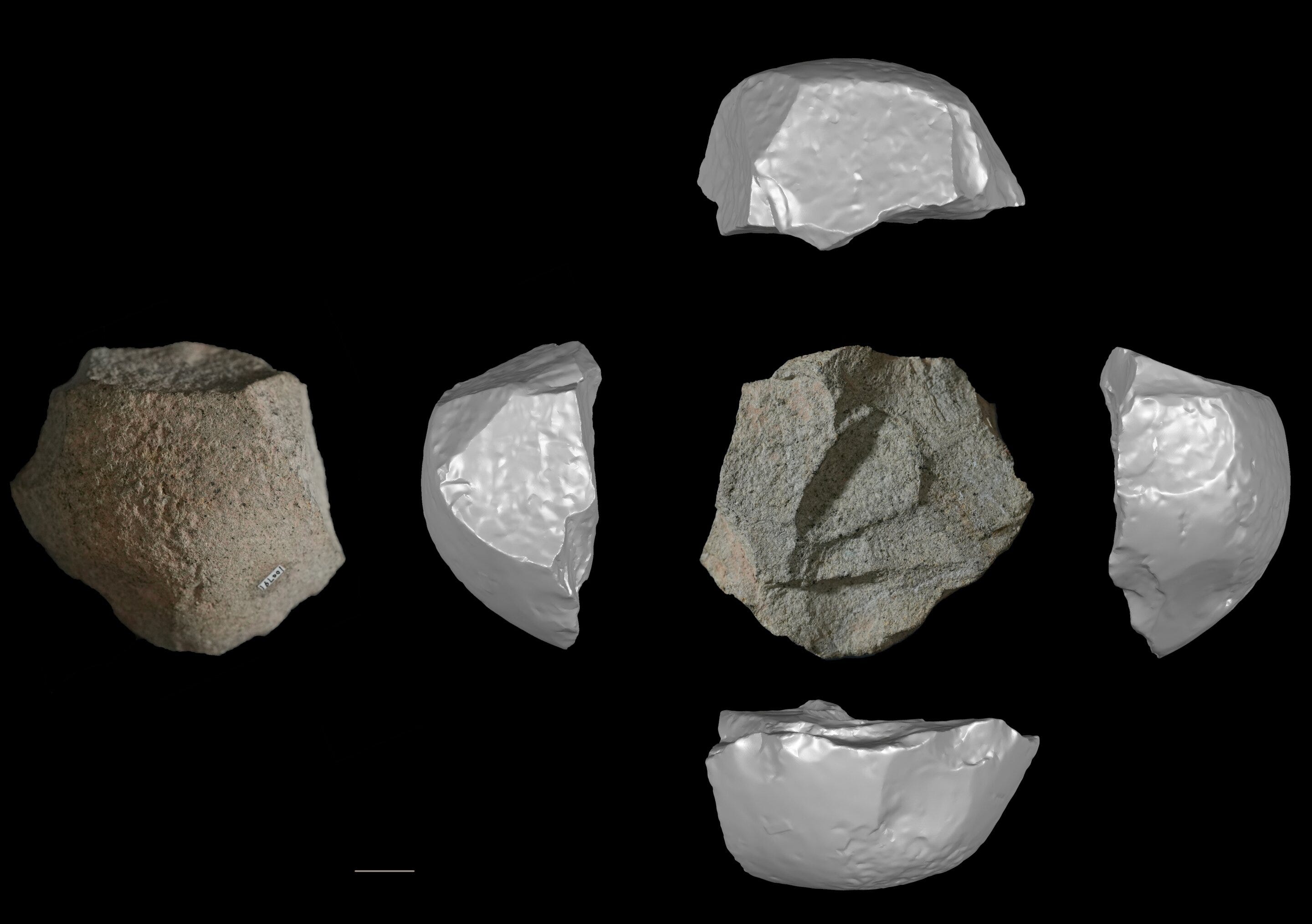
The old estimate of roughly 126,000 years ago fell within a warm interglacial period. The new one sits inside a full glacial, the kind of cold interval during which temperatures across Eurasia dropped substantially, habitats contracted, and megafauna populations shifted unpredictably. The stone tools found in the same stratigraphic layer, tools showing a level of technical organization that has surprised researchers, were not made in comfortable conditions.


