

Peruvian Quechua speakers carry, on average, ten copies of AMY1 — a gene encoding salivary amylase, the enzyme responsible for initiating starch breakdown in the mouth. That figure doesn’t mean much on its own, but set it against the global picture and it becomes strange: across 3,723 individuals sampled from 85 populations worldwide, the median sits at seven. No population in the dataset came close to the Quechua. The Maya of Chiapas, who share deep evolutionary ancestry with Andeans but farm corn rather than potatoes, carry a median of six copies. Some South American groups outside the Andes carry even fewer.
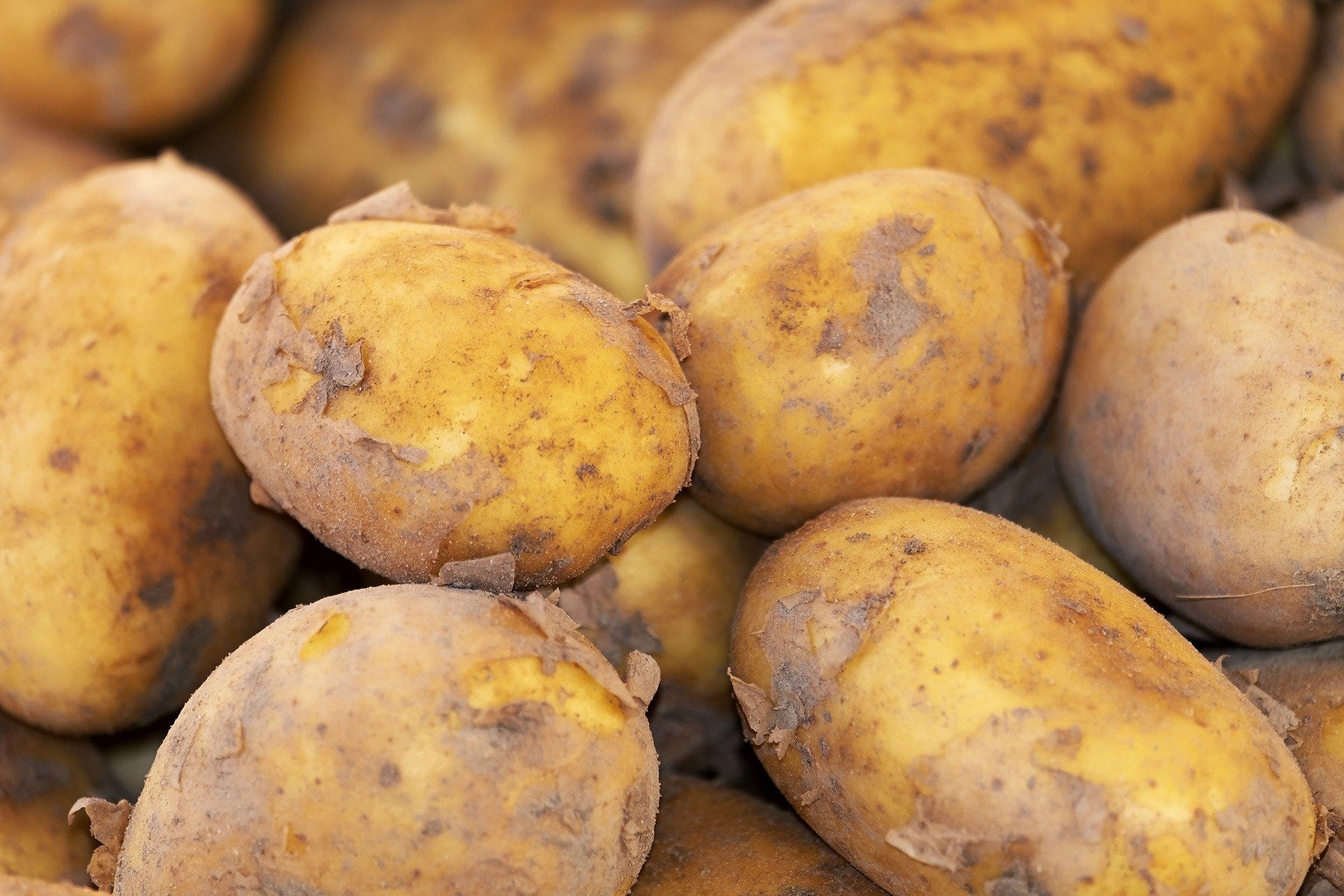
A study published this month in Nature Communications,1 led by Kendra Scheer and Luane Landau with co-senior authors Abigail Bigham at UCLA and Omer Gokcumen at the University at Buffalo, now provides multiple converging lines of evidence that this difference is not statistical noise. It is the outcome of recent, strong positive selection — beginning around 10,000 years ago, when people in the southern Andes near Lake Titicaca were domesticating the potato.
AMY1 is a structurally unusual gene. Individuals carry anywhere from two to twenty copies per diploid genome, and copy number appears to matter: more copies generally means more amylase enzyme in saliva, which means starch digestion can begin earlier and proceed more completely before food reaches the stomach. The locus is also prone to non-allelic homologous recombination, a process by which repeated genomic segments cause the replication machinery to miscounting, adding or subtracting copies in single mutational steps. This structural instability makes the locus both capable of rapid evolutionary change and difficult to characterize with standard sequencing methods.


