

Roughly 95 percent of all the wheat grown on Earth today belongs to a single species: Triticum aestivum, bread wheat. It feeds more people than any other crop. Its genetics underpin global food security in ways that are almost too large to think about clearly. And yet, for all that, the question of where it first came into being has remained genuinely unsettled.
Not the origins of wheat in general. The broad story of wheat domestication — wild einkorn gathered in the Fertile Crescent, cultivated, selected, gradually transformed — is reasonably well established. But T. aestivum is not that wheat. It is the product of a later event, a hybridization between an already domesticated free-threshing wheat and a wild grass called Aegilops tauschii, known as goatgrass. That crossing produced something with a larger, more complex genome and, eventually, the agronomic qualities that would make it the basis of modern agriculture. The question has always been: where exactly did that crossing happen, and when?
Genetic studies had been pointing toward the South Caucasus and the southwestern Caspian region for years. The distribution of A. tauschii in the wild, combined with analysis of modern wheat genomes, suggested this zone as the most plausible origin point. The proposed timeline placed the event around 8,000 years ago, roughly 6,000 to 6,500 BC. But genetic inference, however sophisticated, is not the same as physical evidence. No securely dated archaeological remains of early bread wheat had turned up to confirm it.
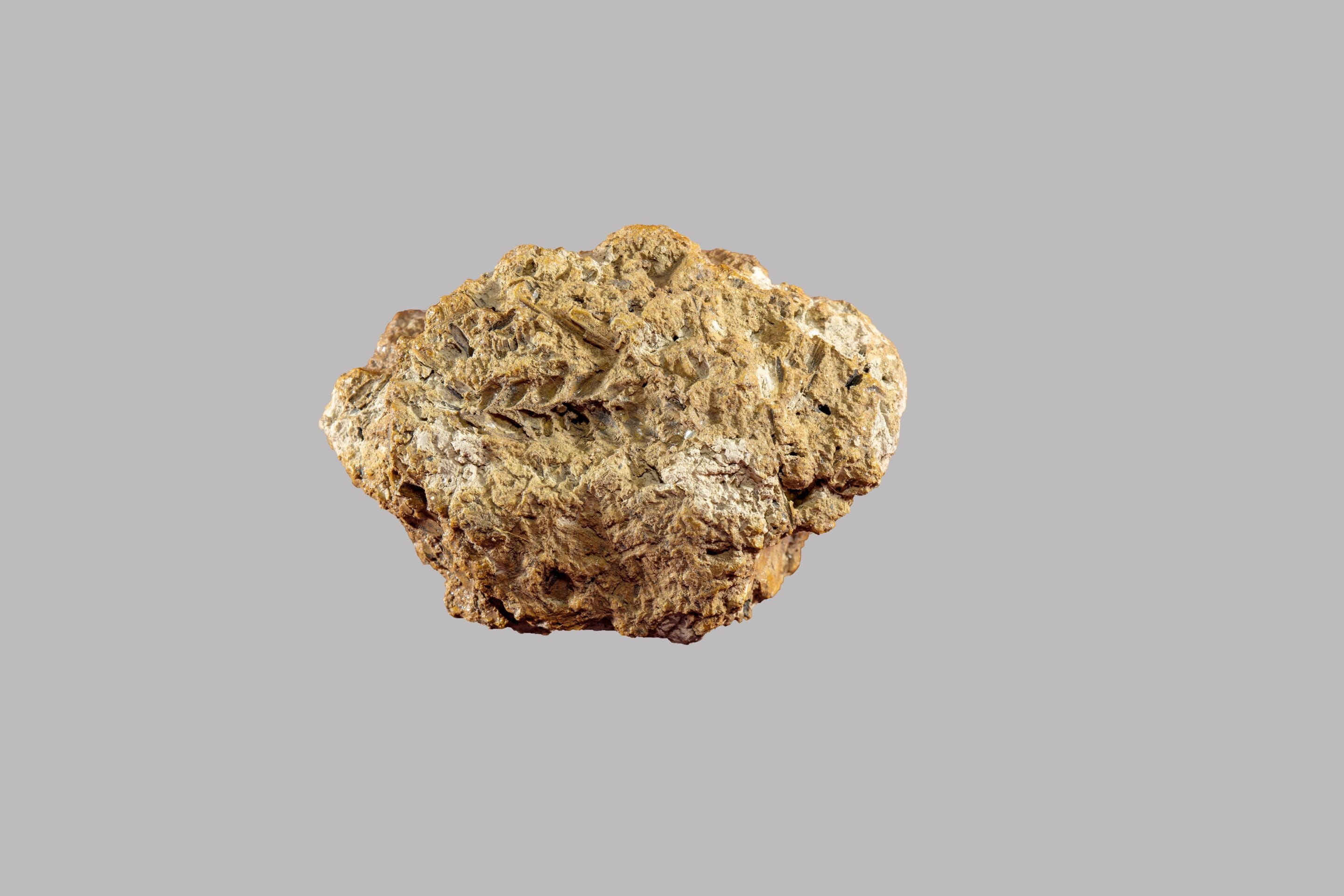
That has now changed.1


