
For most of the twentieth century, if an anthropologist wanted to understand how ancient people related to their dead, the move was simple: go find a living society that still does something similar, and use it as a model. This is called ethnographic analogy, and it has quietly shaped how archaeologists interpret bones under floors, grave goods in courtyards, and the layout of settlements themselves.
Sabina Cveček ran into a problem with this approach almost by accident. She was building a database of residential burial, the practice of burying people inside or immediately next to the homes they lived in, using ethnographic records collected by anthropologists over the past two centuries. Working through 60 societies drawn from the eHRAF World Cultures database, she found that only 21% of them practiced residential burial. That number felt wrong. Archaeologists kept finding graves under house floors at site after site. Why weren’t living societies doing the same thing?
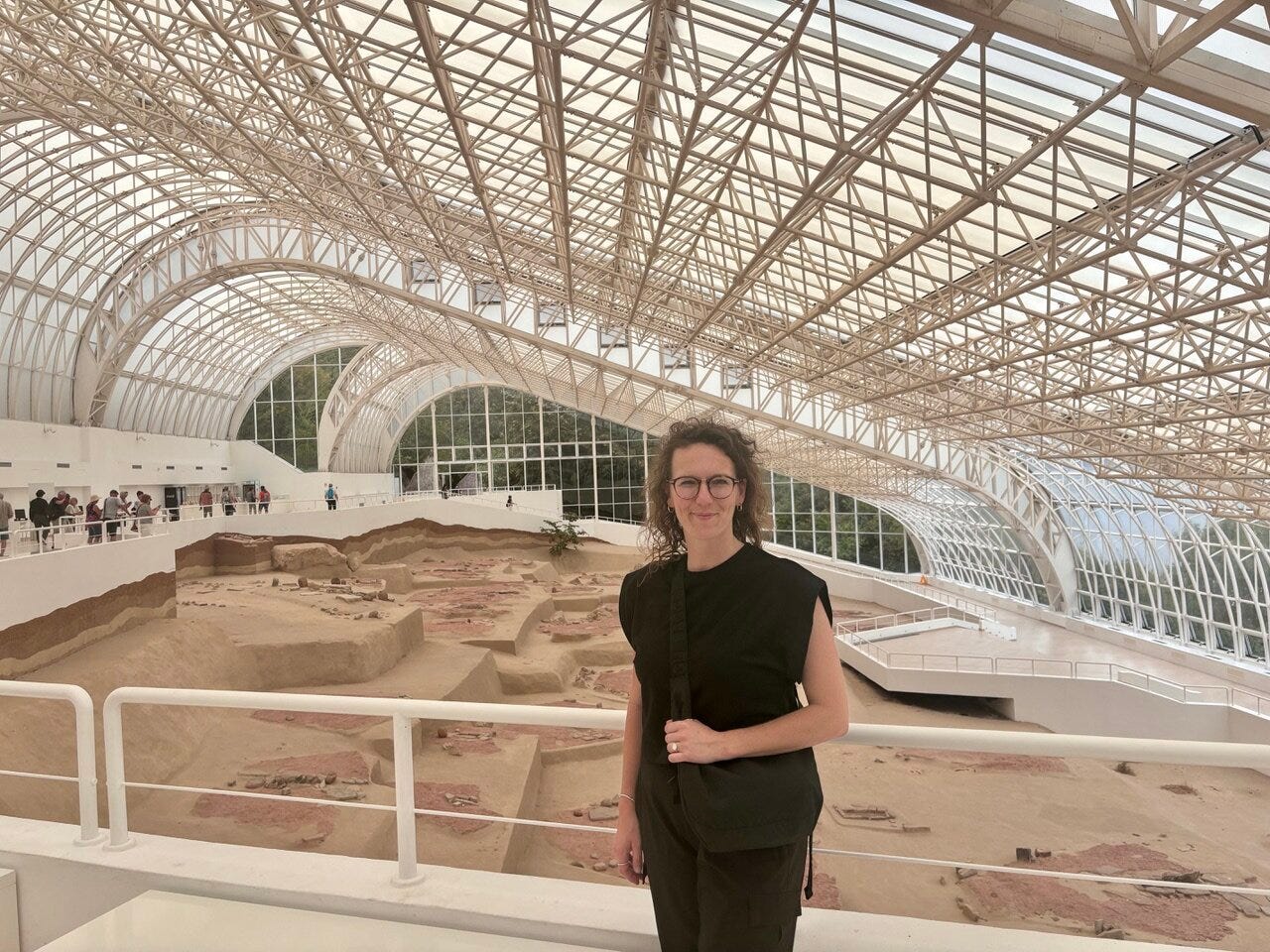
So Cveček, along with Carol Ember at Yale’s Human Relations Area Files, Timothy Earle at Northwestern, and Gary Feinman and William Parkinson at the Field Museum, built a second dataset. This one pulled from 49 archaeological traditions spanning the globe, everything from Neolithic Anatolia to the Classic Maya to Bronze Age Iran. The result:1 43% of those archaeological cases showed residential burial. Double the ethnographic rate, and the difference held up statistically.
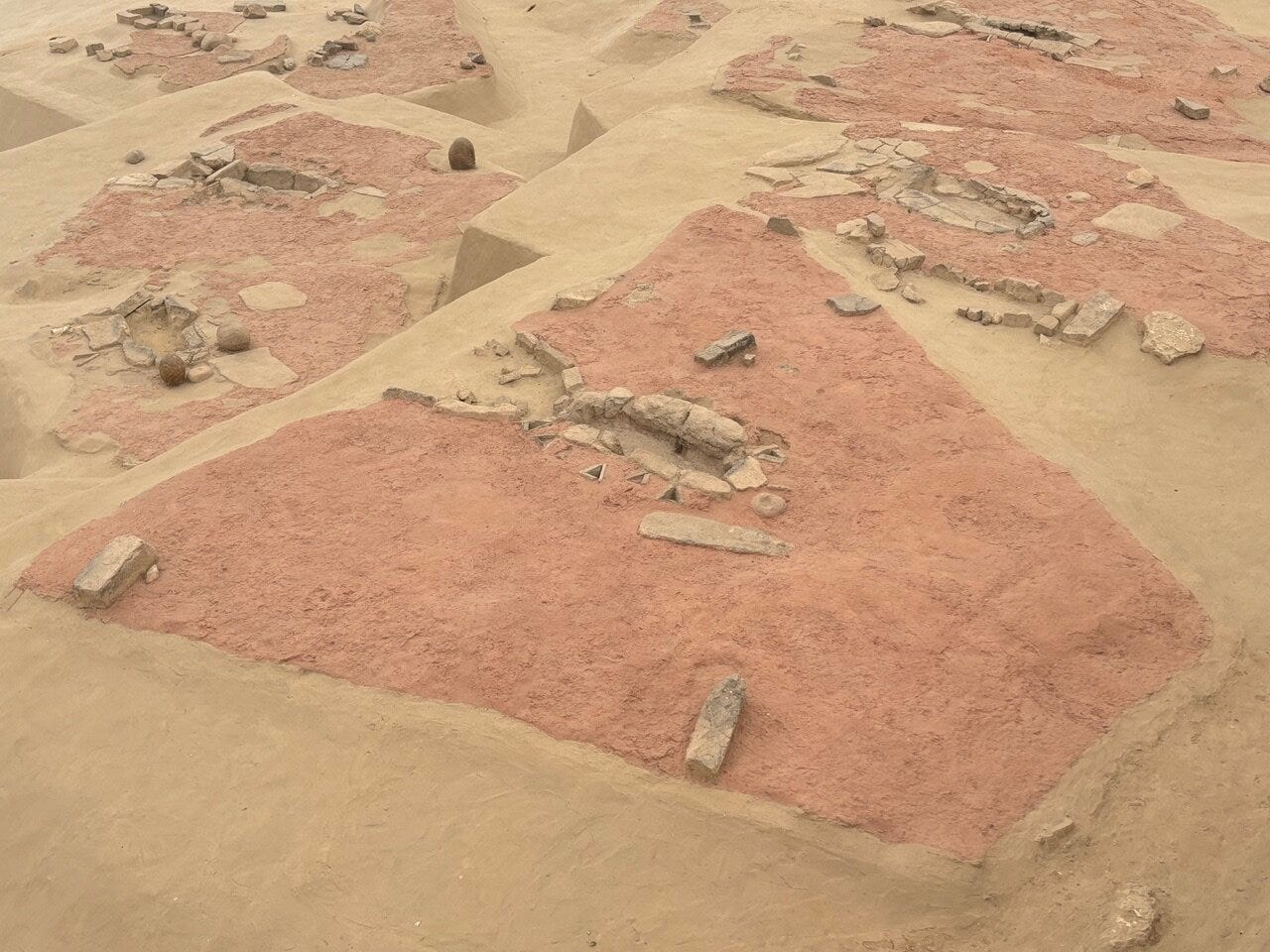
That gap is the whole story here, and it’s a bigger deal than it might first sound.


