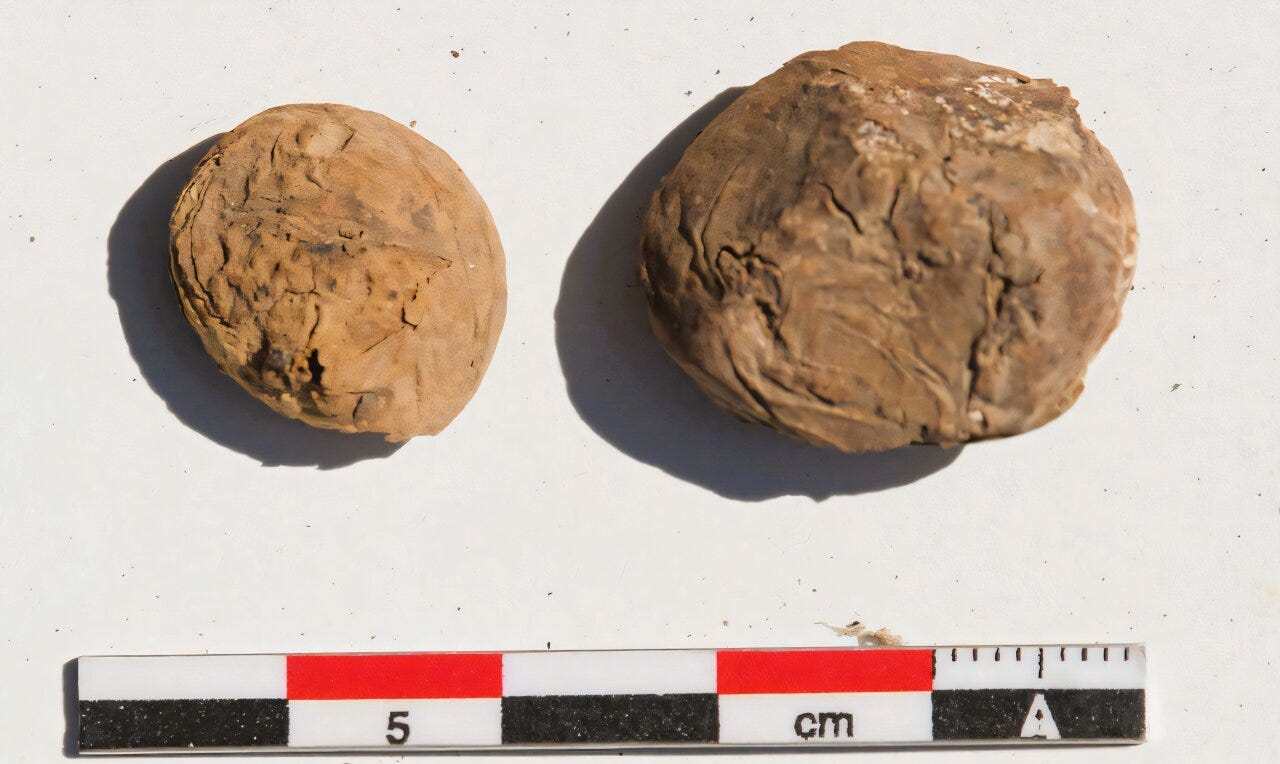
In 2024, during excavations at the Inca provincial center of Tambo Viejo in southern Peru’s Acarí Valley, archaeologist Dr. Lidio Valdez and his team opened a ceramic jar set into a floor and found two shriveled, brownish-white objects with bits of skin still clinging to them. They looked unremarkable. Valdez knew immediately they weren’t.
“It was obvious that this was not just any find, but a special one,” he later said. He told his field team something simpler in the moment: “Here we have an article.1”
What they’d found were chuño, freeze-dried potatoes, and they were roughly 500 years old. Only a handful of archaeological examples exist anywhere, and the last comparable discovery was made more than a century ago, at Pachacamac. The Tambo Viejo chuños are not just old food. They’re physical evidence of one of the Inca state’s most underappreciated logistical achievements: moving a fragile, high-altitude crop across hundreds of kilometers to a desert coastline, and keeping it edible for centuries afterward.