

The systems of La Mojana are big enough to see from a plane window. A grid of raised earthen ridges and canals sprawling across the Colombian Caribbean, covering something like 500,000 hectares, roughly three Londons stitched together. For decades the assumption was straightforward: nobody builds something that size without somebody in charge. A landscape like that reads as a monument to central planning, the kind of thing you’d expect from a state with foremen and quotas and a ruler somewhere issuing orders.
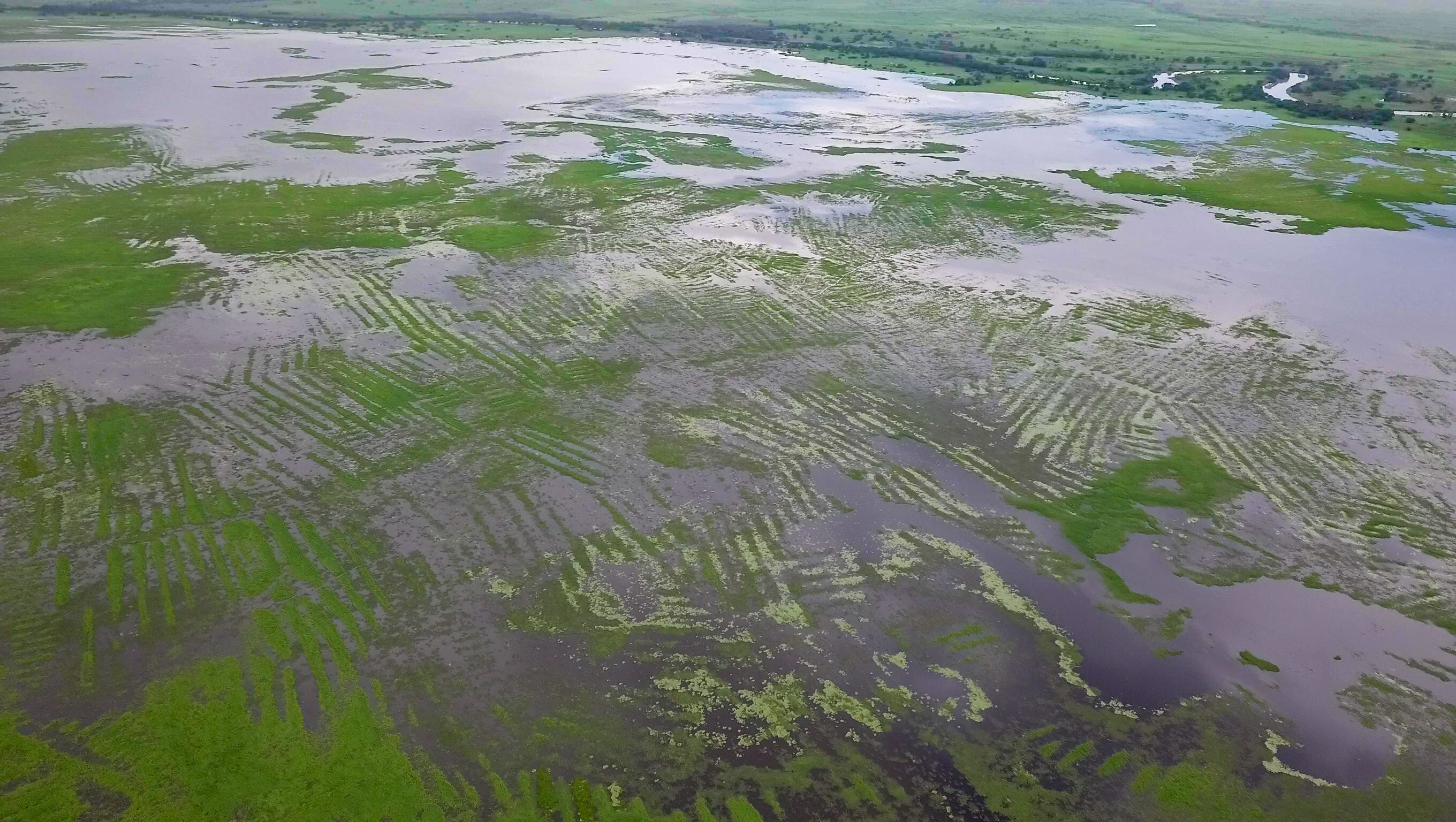
A new study in Communications Sustainability,1 led by Jasmine Vieri at Cambridge’s McDonald Institute, working with the Colombian Institute of Anthropology and History and the University of Santiago de Compostela, took that assumption and actually tried to test it. Not argue it, test it. They picked a 500-hectare piece of the system near San Marcos, in Sucre, mapped every ridge and every housing platform on it in high resolution, and then did something nobody had done before: they calculated how long it would actually take to build.
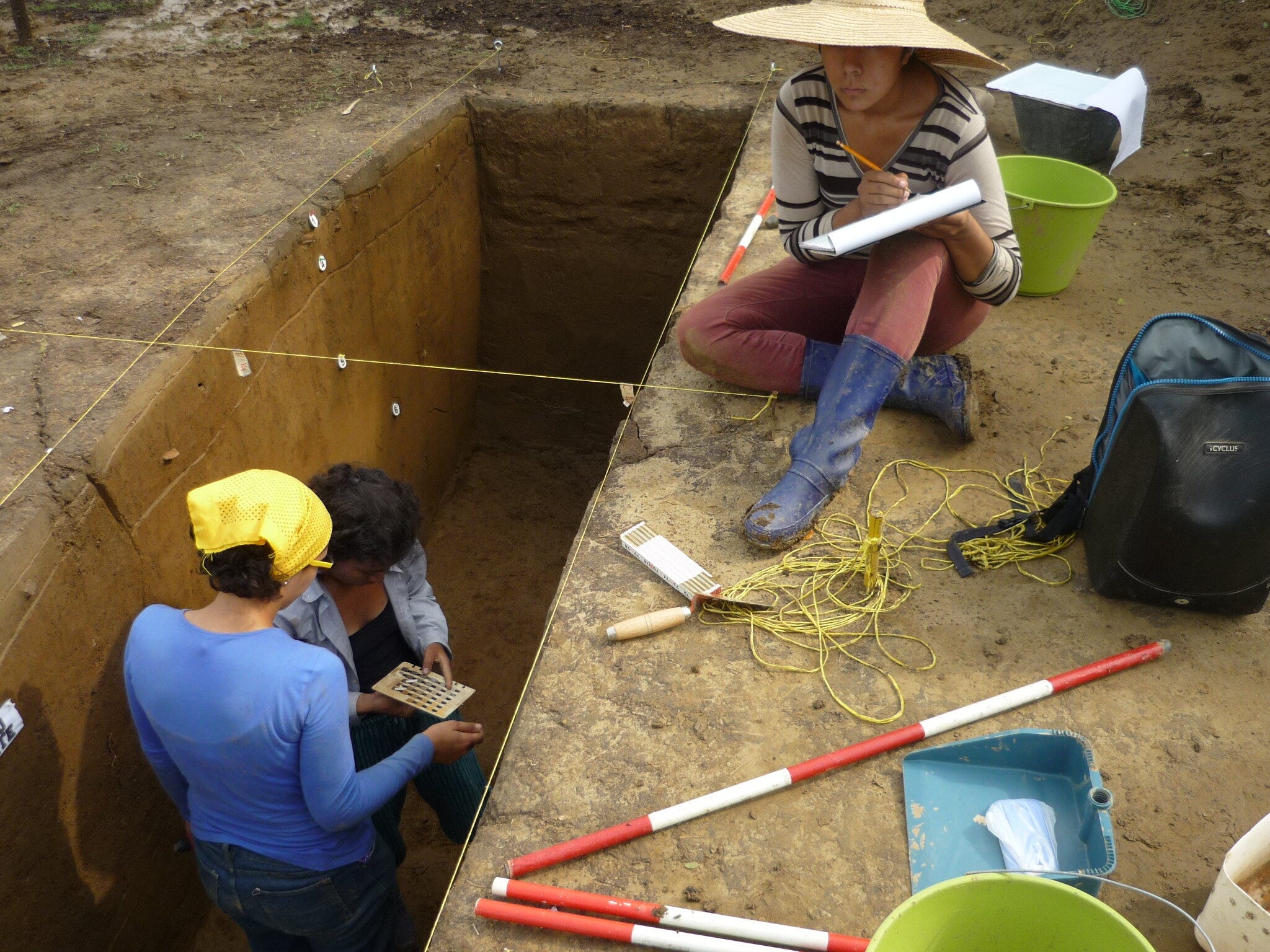
The answer surprised them. A working community of 800 people could have built the entire 500-hectare study system in something like three to six weeks. Not generations. Not decades. Weeks.


