
For generations, the story of Polynesian expansion has been told as a triumph of navigation. Double-hulled canoes, star paths, memorized swells, and birds on the wing have rightly taken center stage. But ships do not sail without reasons. A new climate reconstruction1 suggests that, around a thousand years ago, one of the most basic forces of all began to tilt the balance of island life across the Pacific: freshwater.
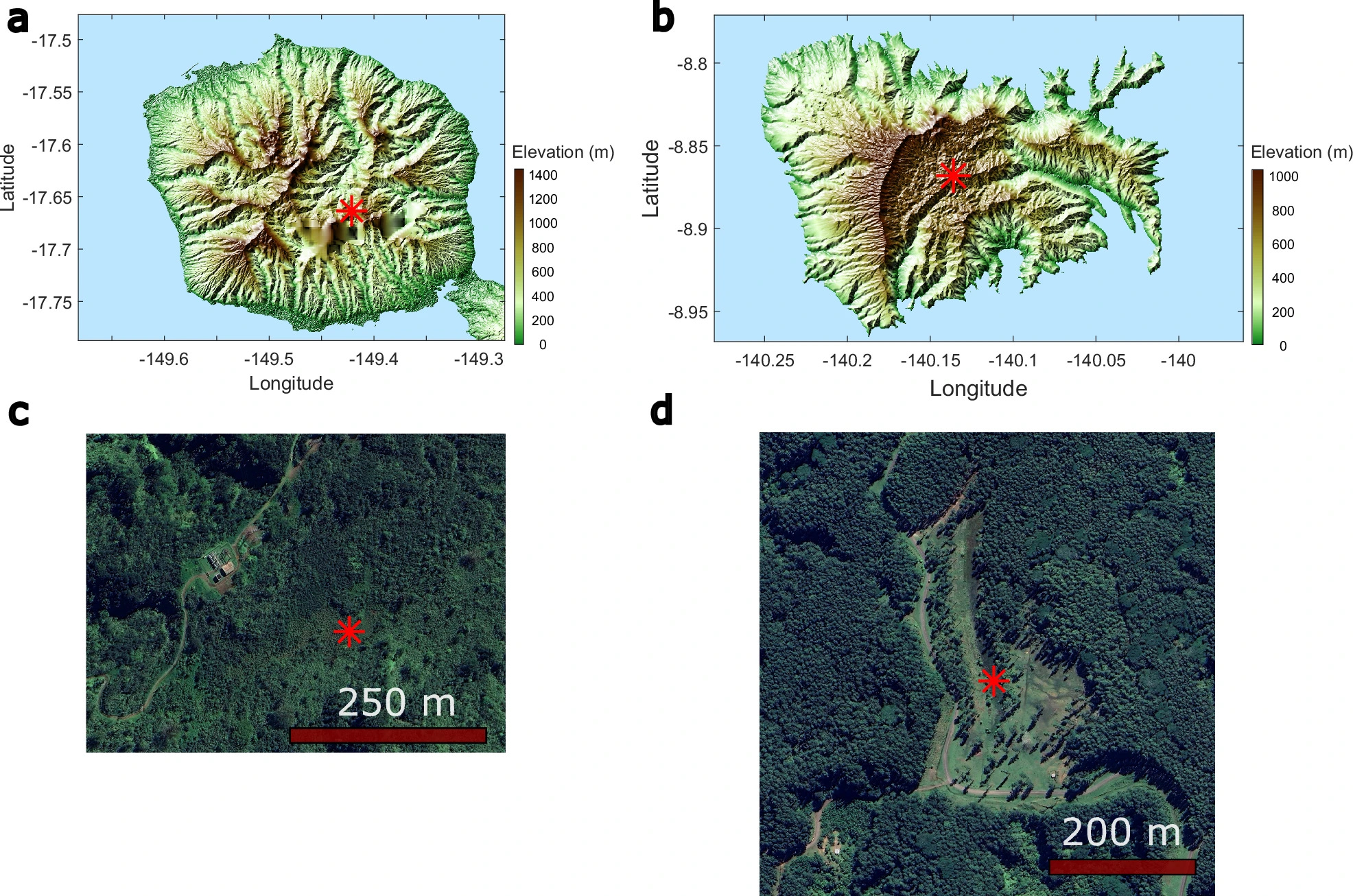
A millennial-scale shift in rainfall patterns quietly redrew the hydroclimatic map of the South Pacific. Islands in the west, long settled and densely occupied, grew drier. Farther east, rainfall increased. The result was not a sudden collapse or a single exodus, but a slow change in incentives, pressures, and possibilities. People, quite literally, followed the water.


