

7,000 Seal Impressions from a Forgotten Bureaucracy in the Central Zagros
What a mound in western Iran is telling us about the edges of the ancient world’s first administrative networks
Somewhere around 3000 BC, someone in the Central Zagros mountains pressed a carved stone into wet clay and sealed a door. Then they did it again. And again. Over what may have been a century, the people of a small settlement on the Kouzaran plain accumulated the paperwork of a Bronze Age commercial hub: thousands of sealed receipts, sealed jars, sealed storage rooms, sealed sacks. When they were done with a sealing, when the goods had been checked and the accounting completed, they tossed it in a pit with the rest of the waste. Some of the pits burned. The fire, unintentional, did them a favor.
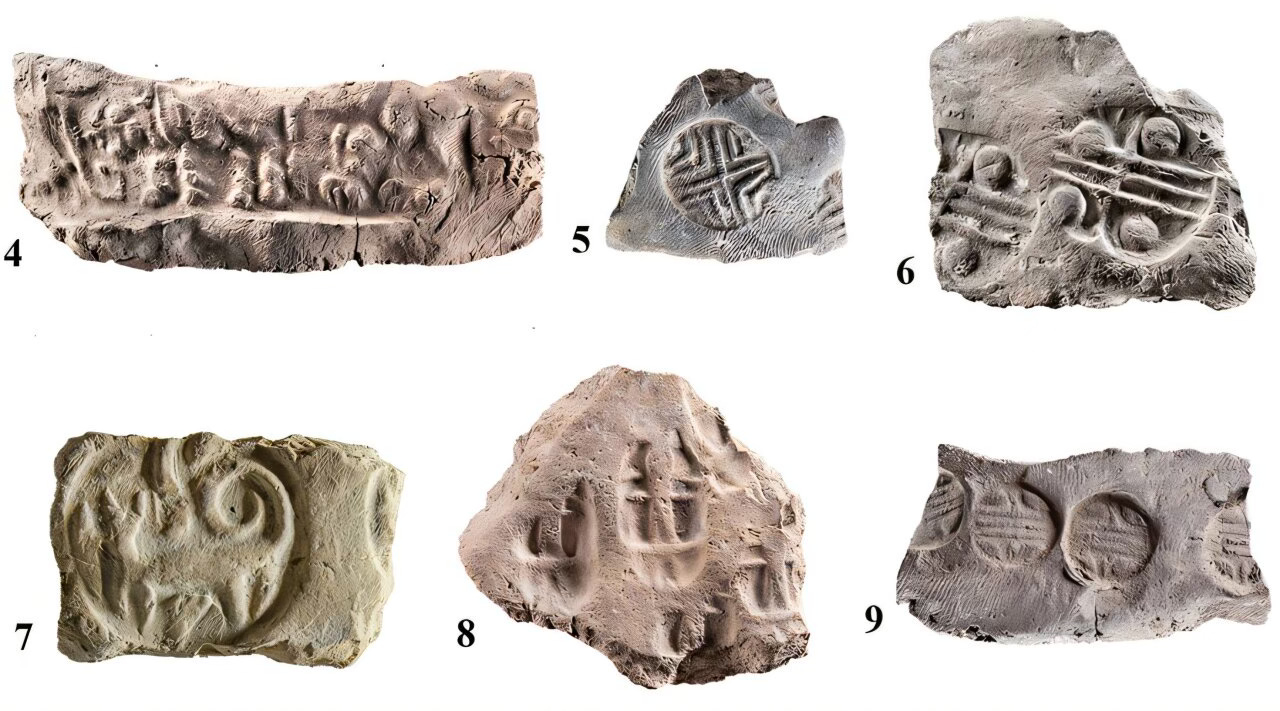
Two seasons of salvage excavations at a site called Tapeh Tyalineh in Kermanshah Province, western Iran, have now produced more than 7,000 of these clay seal impressions, along with over 200 clay figurines, dozens of clay tokens, and two cylinder seals. According to Dr. Shokouh Khosravi of the University of Kurdistan, who published preliminary findings in Antiquity,1 this is the largest known corpus of late prehistoric administrative artifacts in the ancient world. The number itself takes a moment to sit with. The previous benchmarks for this kind of assemblage are dwarfed.
The site is not large. Tapeh Tyalineh rises only about 2.5 meters above the surrounding plain and covers roughly 2.7 hectares, with the Mereg River along its western edge and farmland on the other three sides. The excavated area so far totals just 132.5 square meters across five trenches. What that small window has produced is either evidence of a genuinely extraordinary concentration of administrative activity, or a sign that there is much more still underground.


