

A four-year-old sees a photo on his father’s phone. It’s his dad, holding a goanna he caught himself. The boy points and says one word: kaarda. Not “goanna.” Not the English gloss the teacher had offered minutes earlier. He reaches for the Noongar word because that’s the word that fits the memory, the hunt, the pride in his father’s hands.
That single moment, recorded during a year-long study inside an Aboriginal playgroup in Boorloo (Perth), is doing a lot of quiet work. It’s evidence that a four-year-old already carries a working theory of when to use which language, and it’s the seed of an argument that researchers Sender Dovchin and Tamara Tucker are making about how language education gets structured in Australia, and by extension, what “language education” is even allowed to mean.
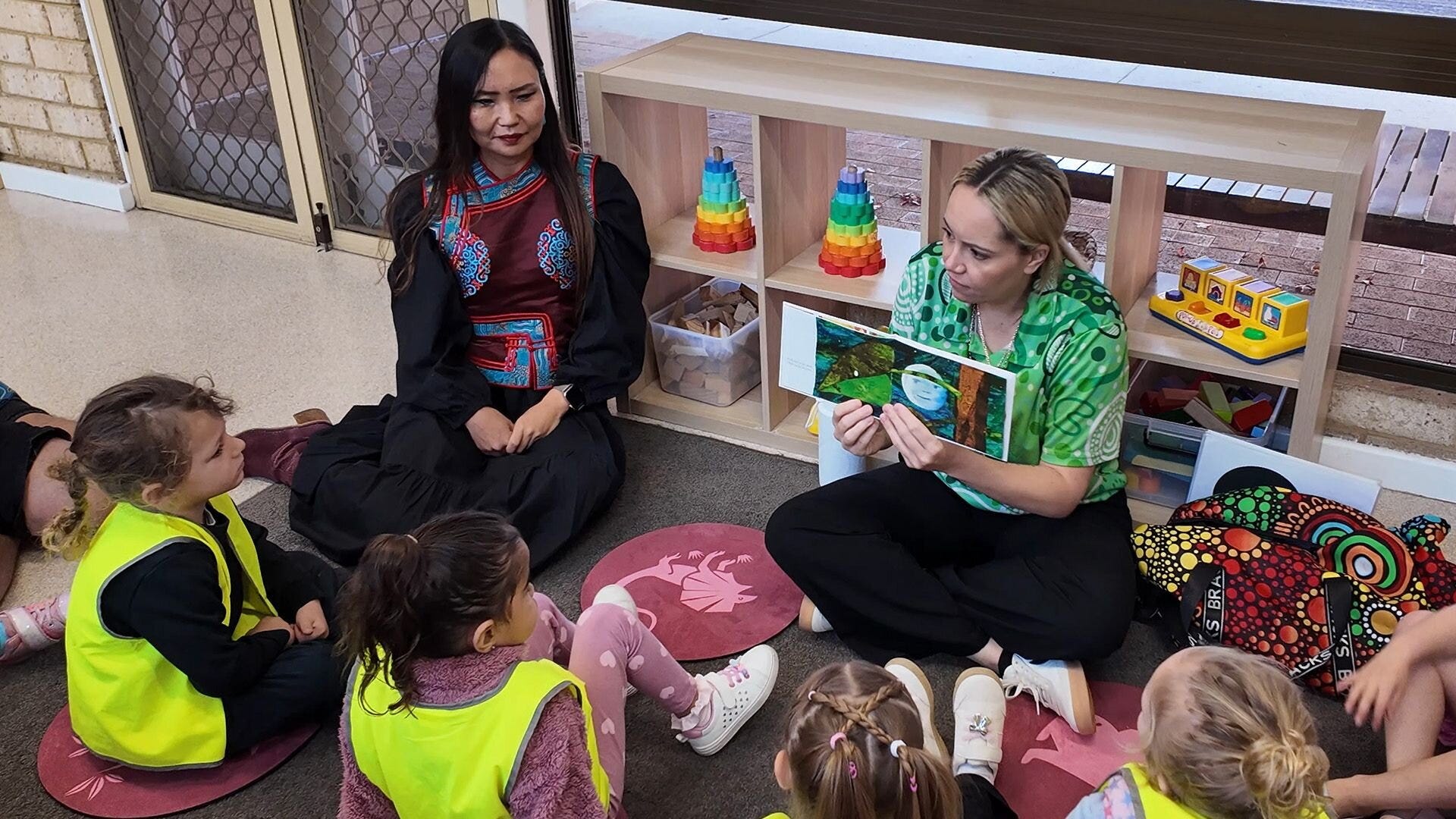
Their study, conducted weekly for a year with preschool-aged children learning Noongar, the language of the traditional custodians of the Perth region, produced a new pedagogical framework they call translingual yarning pedagogy, or TYP. The name is clunky. The idea underneath it is not.


