

Few words in European prehistoric archaeology carry as much baggage as “culture.” It sits in site reports and textbooks with an air of familiarity, even comfort. Funnel Beaker Culture. Bell Beaker Culture. Linearbandkeramik. Yet the term also drags a long shadow behind it, one cast by racial typologies, nationalist fantasies, and a century of methodological unease. Archaeologists keep using the word, even as many flinch at what it once meant.
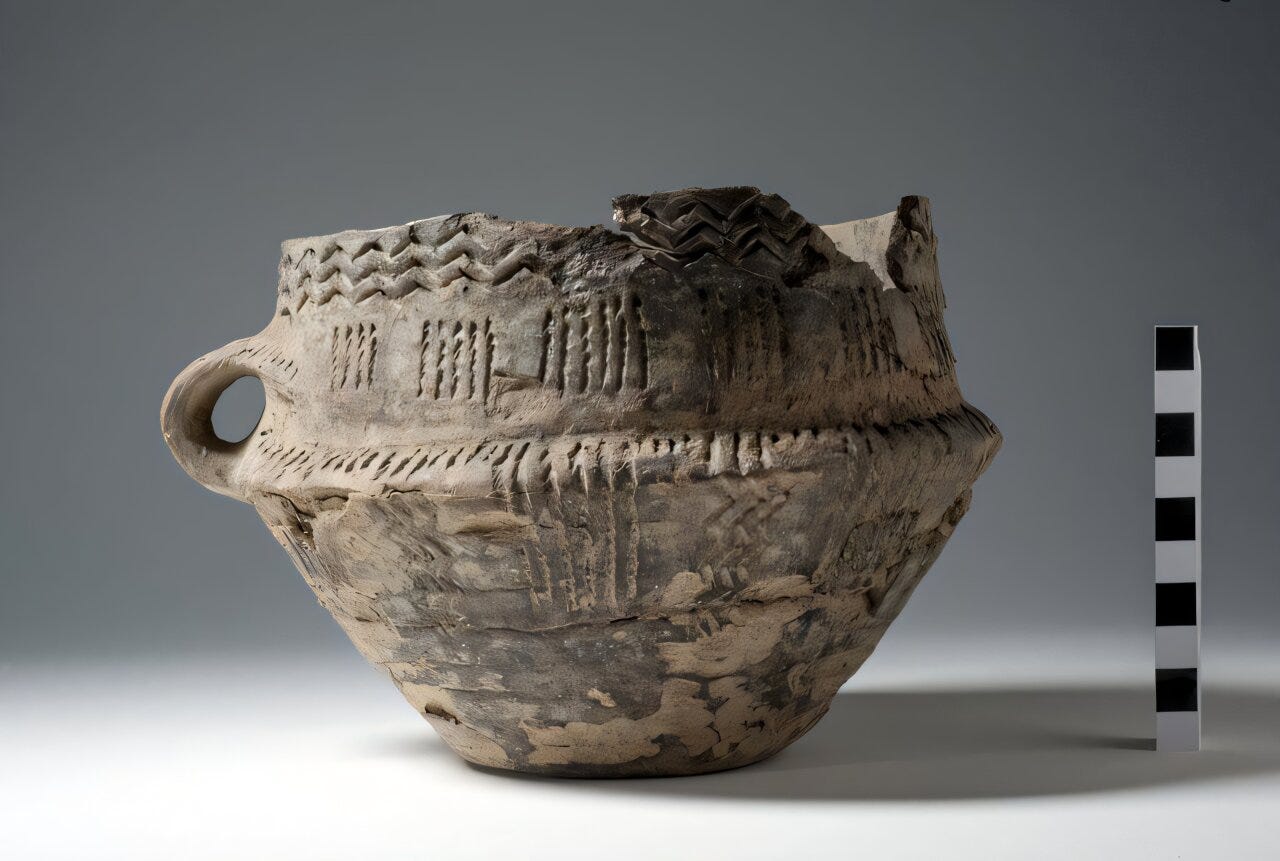
A recent philosophical and archaeological intervention argues1 that this contradiction is not a failure of discipline, but a clue. The concept of culture, the authors suggest, survives because it is not a single idea at all. It is a composite. One part is broken beyond repair. The others remain stubbornly useful.


