

The Bergstrom site sits on a northwest-facing slope above Red Bluff Creek in central Montana, in the gap between the Little Belt Mountains and the Big Snowy Mountains. Bison bone is scattered across the hillside. Projectile points lie embedded in the sediment. For roughly seven centuries, hunters returned to this spot intermittently, processing kills where the creek provided water and the landscape funneled herds through a natural constriction.
Then, around 1,100 years ago, they stopped coming.
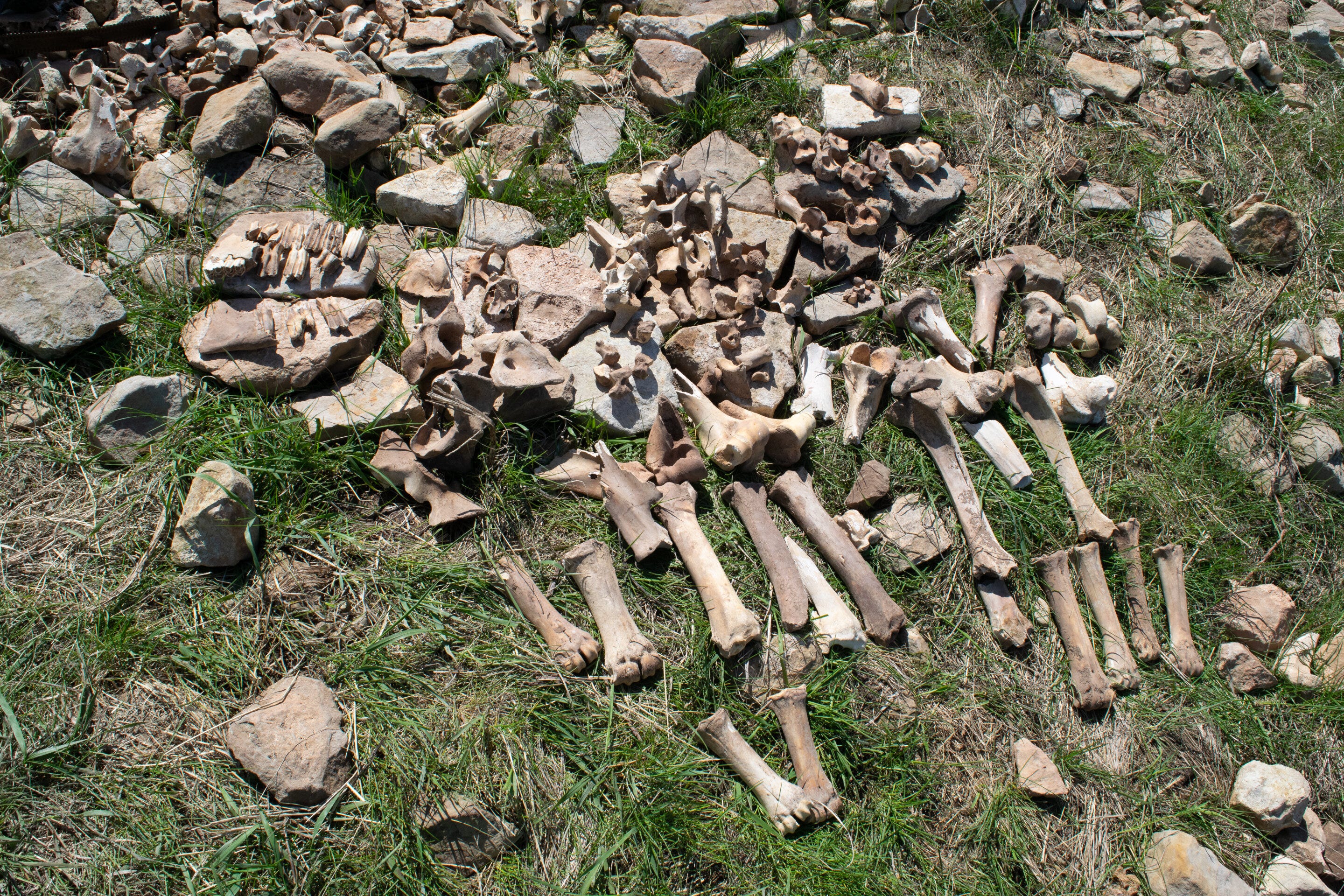
The puzzle isn’t that people abandoned a hunting site. Sites get abandoned all the time. The puzzle is what happened afterward. Bison didn’t vanish from the region. The grass didn’t die. The creek kept flowing. Other sites nearby saw more intensive use, not less. Archaeological evidence shows that regional hunting activity was actually intensifying during the same period when Bergstrom fell silent.
John Wendt and his colleagues wanted to know why hunters walked away from a site that had worked for so long. Their investigation1 integrates archaeological excavation, sediment cores from the adjacent riparian zone, pollen analysis, charcoal records, and regional climate reconstructions to build a picture of environmental and social conditions before, during, and after the site’s use. What emerges is not a story of ecological collapse or prey depletion, but something more subtle: a reconfiguration of how bison hunting was organized across the Northern Great Plains, driven by converging pressures that made small, opportunistic kill sites less viable.


