
Sometime around 1847, according to a study published this month, fewer people lived on the Australian continent than in any other year since the British arrived in 1788, and possibly fewer than at any time in the 50,000 years before that. The combined count of the Indigenous population and the settlers bottoms out on the team’s curve at about 1.07 million, and it does so in roughly the year the colonists first came to outnumber the people whose land they were taking.
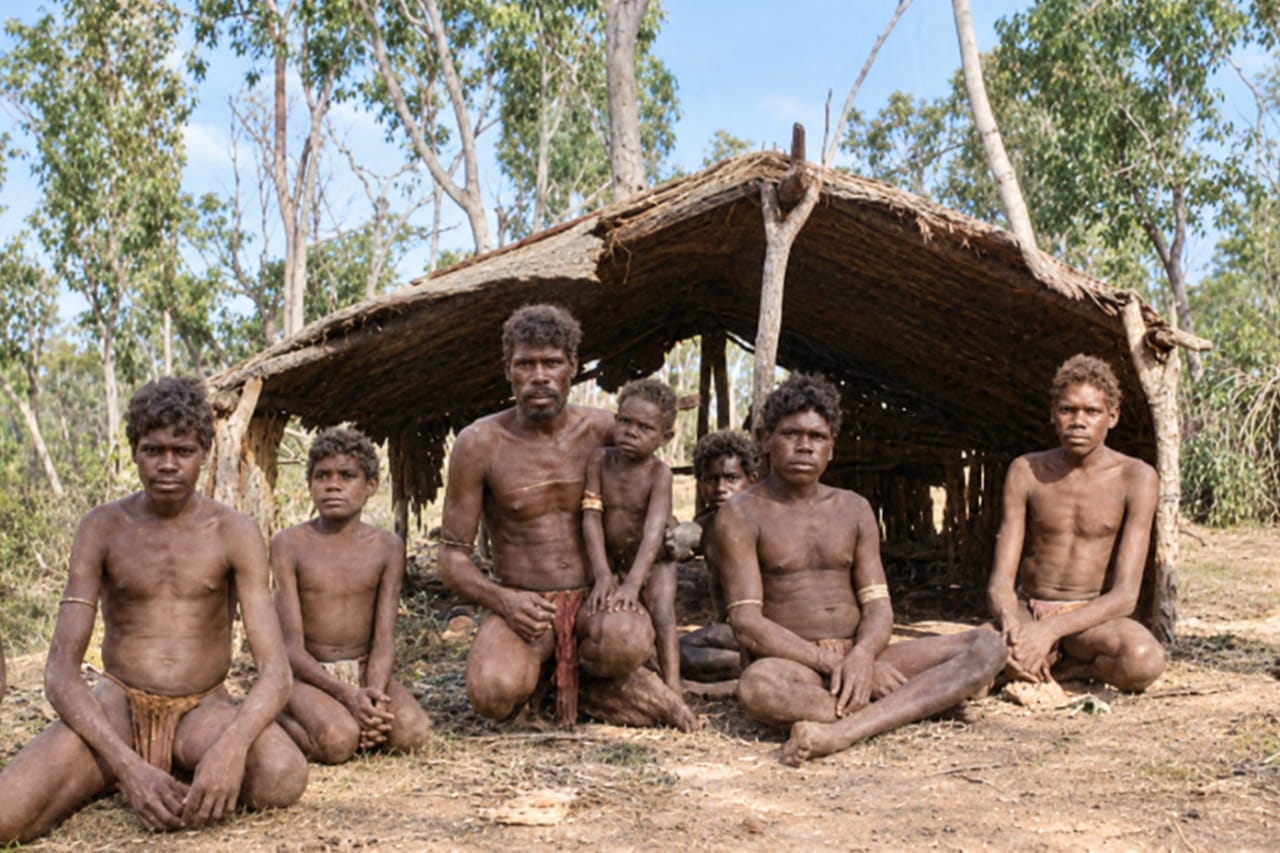
For that low point to exist at all, the number that has shaped public understanding of Aboriginal Australia in 1788 has to be wrong. The standard figure for close to a century was about 300,000, published in 1930 in the Commonwealth’s official year book by Alfred Radcliffe-Brown, a British social anthropologist who then held the first chair of anthropology at the University of Sydney (some accounts give 250,000, which he treated as a floor). A few hundred thousand foragers spread across 7.7 million square kilometers made the continent look barely occupied. That image sat comfortably beside the legal fiction of terra nullius, land belonging to no one, which the High Court of Australia did not reject until the Mabo decision of 1992. Radcliffe-Brown acknowledged limits in his sources. The observations behind his estimate were gathered after smallpox, dispossession and frontier killing had already hollowed out much of the southeast. Until the 1971 census, the first to attempt a full count, colonial tallies recorded whoever came to blanket distributions and ration depots, lived on missions and reserves, or worked on pastoral stations, while administrators left many people of mixed descent uncounted.
The study, published on September 15 in Nature Human Behaviour,12 puts the median population at 2.22 million, with a likely range of between one million and four million, or about one person per three and a half square kilometers. Its fifteen authors are led jointly by Alan Williams, an archaeologist at the University of New South Wales and James Cook University, and Corey Bradshaw, the Matthew Flinders Professor of Global Ecology at Flinders University in Adelaide. They include Shane Ingrey, a member of the La Perouse Aboriginal Community now at the University of New South Wales. They also include Kirsty Beller of the Gujaga Foundation, a community organization in La Perouse, on the shore of Botany Bay where the First Fleet anchored in January 1788.
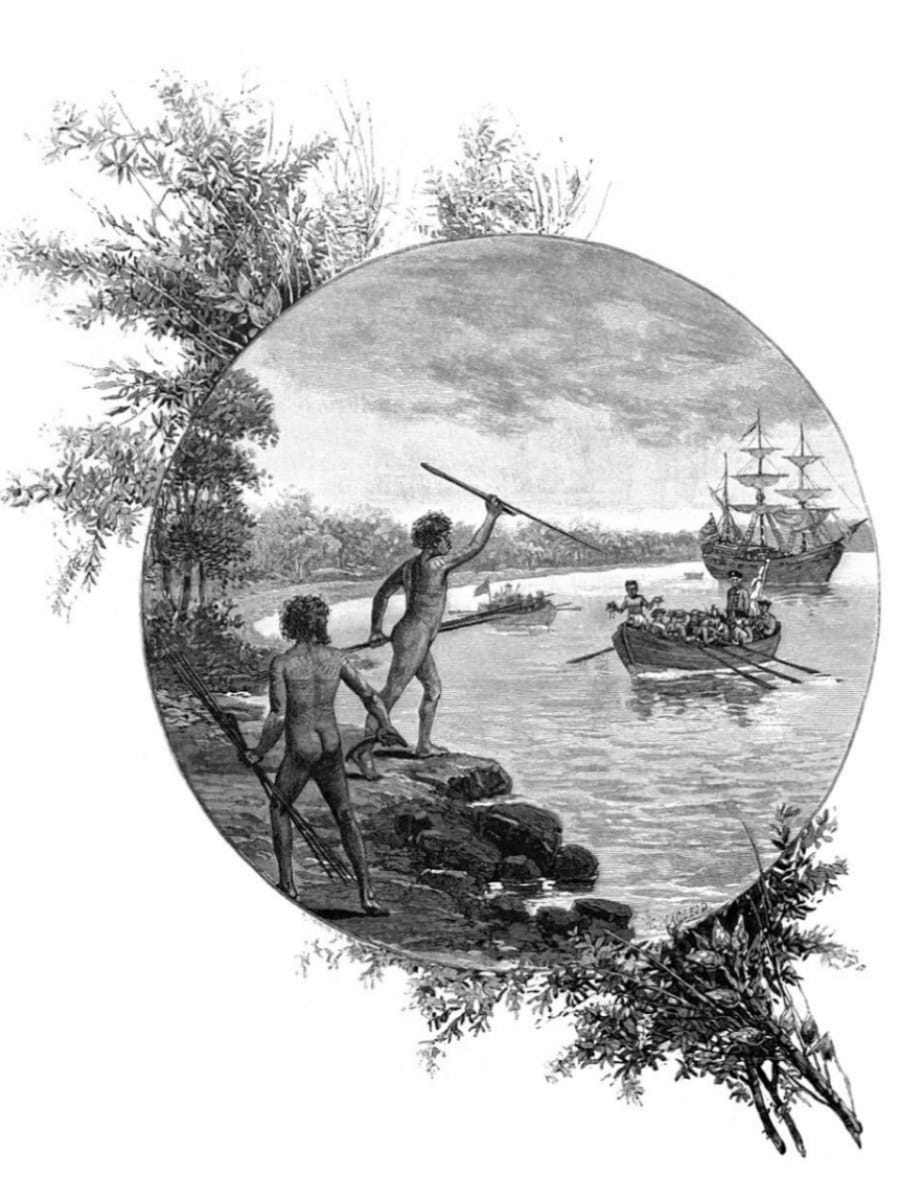
Everything after 1788 is subtraction, so the starting number decides the scale of what followed. A population of 300,000 falling below 200,000 by 1861 describes a hard century. A population of 2.22 million falling to the same place describes the loss of more than nine people in ten within one long lifetime. The larger figure changes the history of the land as well: two million people burning and tending it would have run a far larger system of management than the old figure allowed. Michael Bird of James Cook University, another co-author, has traced deliberate burning in Australia’s tropical north back into the last ice age. The team had to count a population whose counting began only after most of it was gone. Their answer was three methods that bypass colonial counts entirely: genetics, models of what the land could support, and radiocarbon dates.


