

Somewhere in the Falémé River valley of eastern Senegal, a workshop ran for close to eight centuries. People came back to the same spot, season after season, to smelt iron ore using the same basic technique, the same furnace design, the same clay pipes to channel air into the fire. The slag piled up. Eventually it reached roughly a hundred tons. Then, sometime in the 4th century CE, the operation stopped.
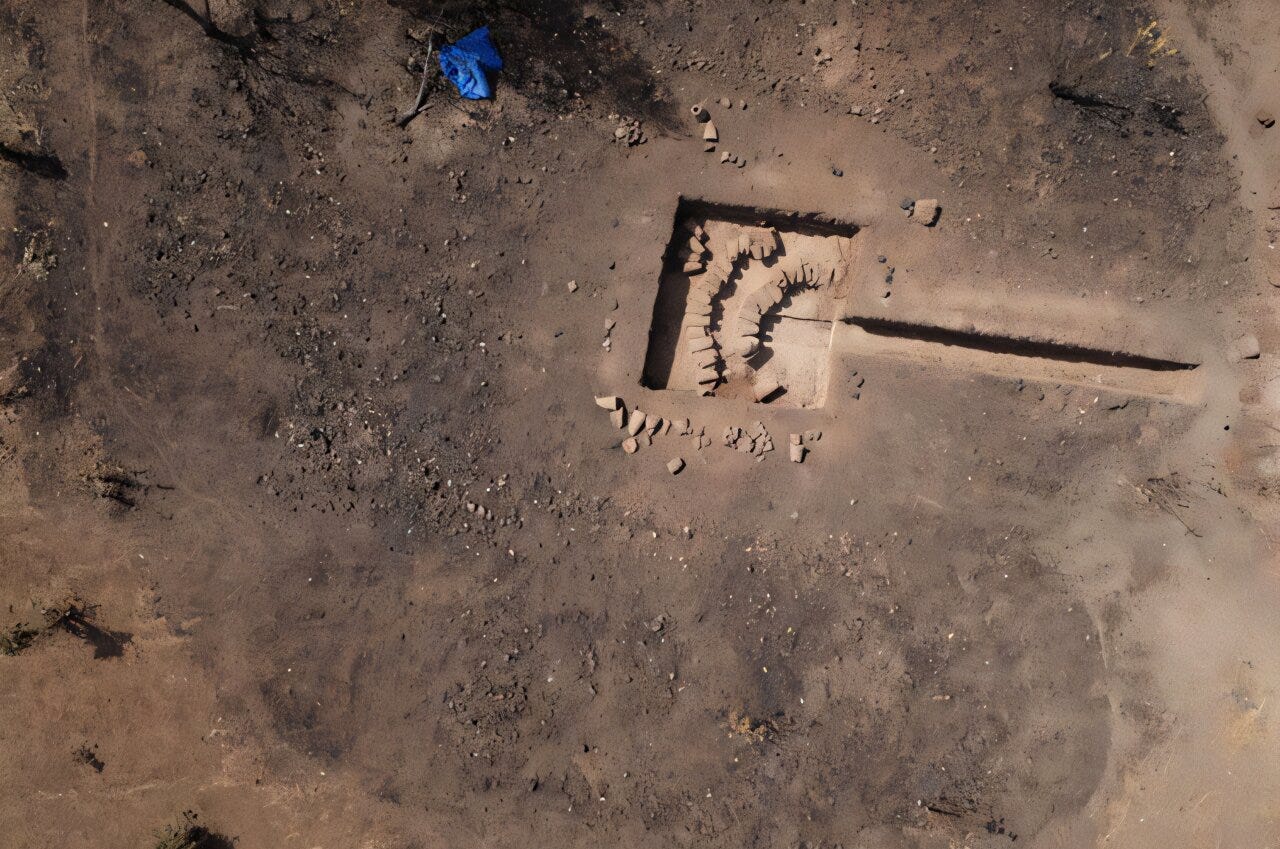
What makes the site at Didé West 1 (DDW1) unusual is not just its age — though a start date around the 4th century BCE is early by any measure for sub-Saharan Africa — but its stubborn coherence. Over nearly 800 years, the smelting tradition practiced there barely changed. That kind of continuity is rare in the archaeological record, and it raises questions that go well beyond this single site.
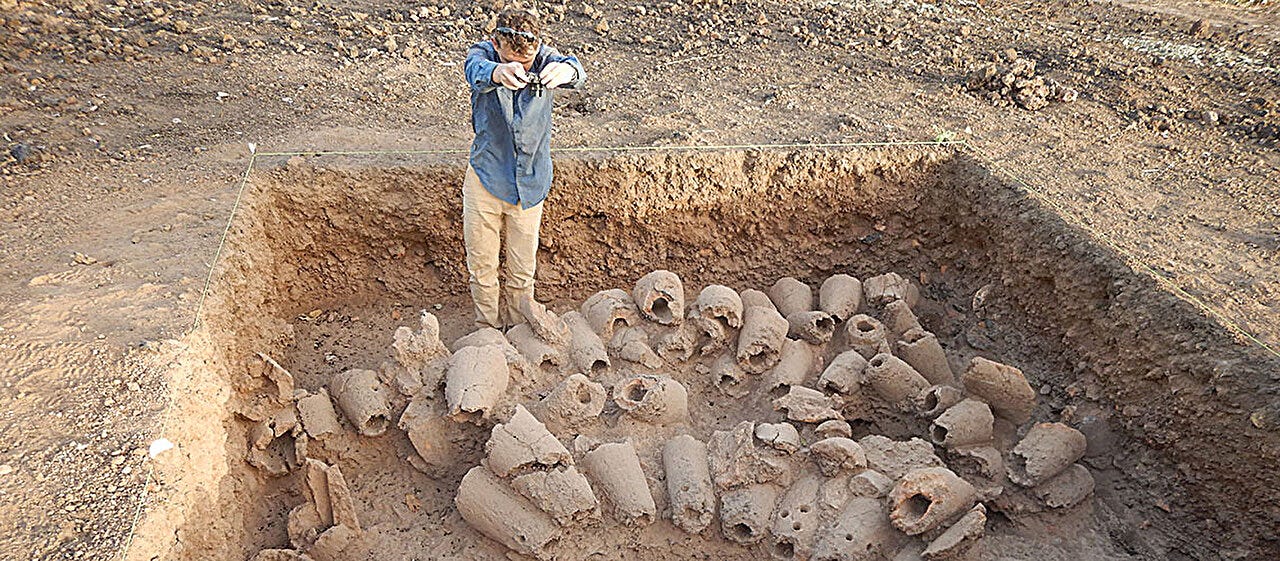
Excavations in 2018 and 2022, carried out by an international team coordinated by the University of Geneva (UNIGE) in collaboration with the Institut Fondamental d’Afrique Noire (IFAN) in Dakar, exposed the remains of this iron-smelting workshop in exceptional condition: 35 circular clay-lined furnace bases, each roughly 30 centimeters deep. A semicircular arrangement of around thirty used tuyères surrounded the furnace area. Stratigraphic and spatial analyses show that the workshop’s footprint gradually shifted northward over time, a slow drift that gives the site its chronological structure. The whole complex sat beneath that massive slag heap. The paper reporting the findings appeared in African Archaeological Review.1


