

There are roughly 160 known rock art depictions of the thylacine across Australia. There are 25 of the Tasmanian devil. That gap is strange. Both animals vanished from the mainland at roughly the same time, both lived across much of the same country, and both were large enough marsupials to register in the lives of the people sharing the landscape with them. Yet one was painted into the rock record again and again across thousands of years, in dozens of styles, across the Pilbara, the Kimberley, and Arnhem Land. The other barely shows up.
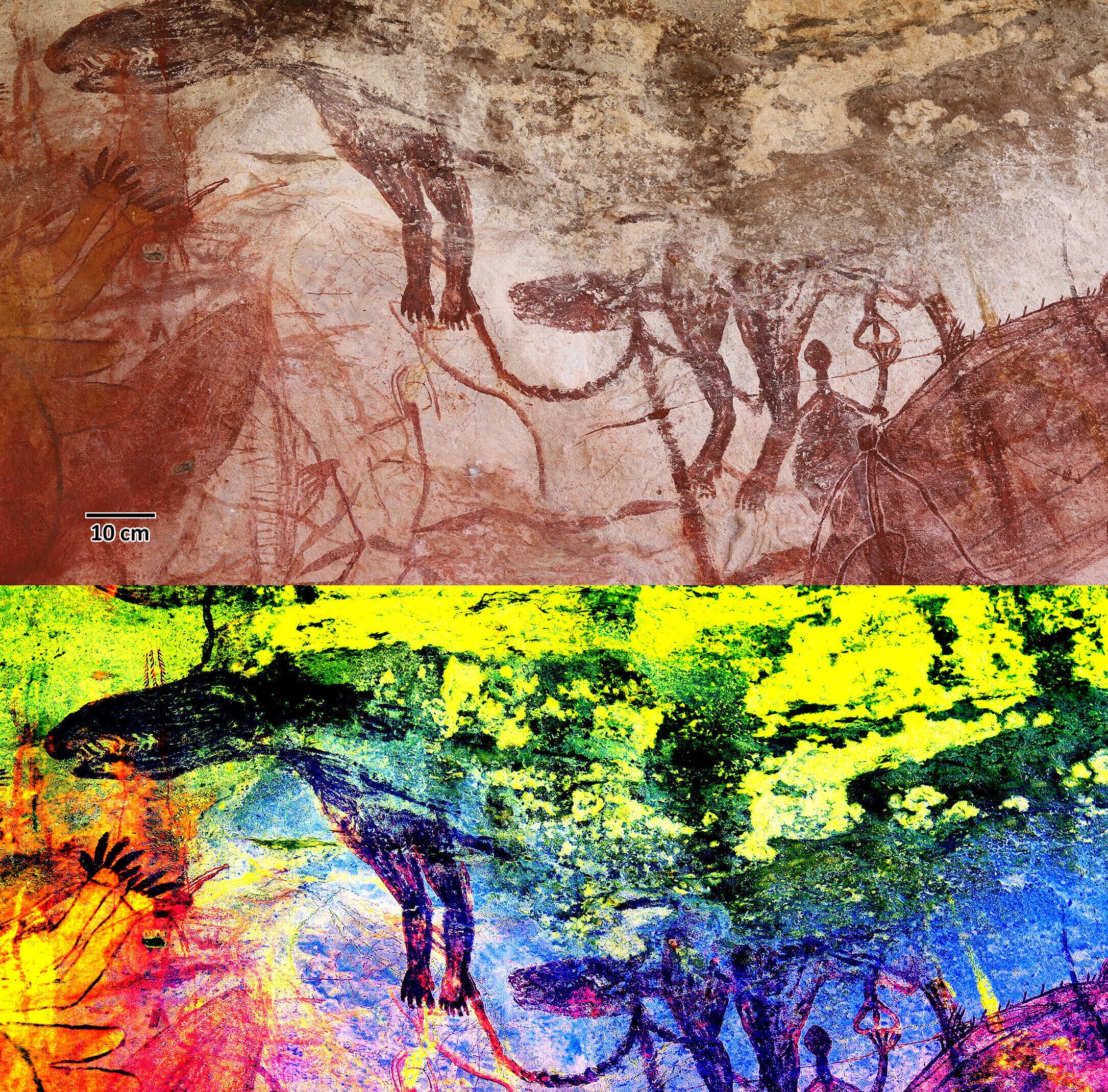
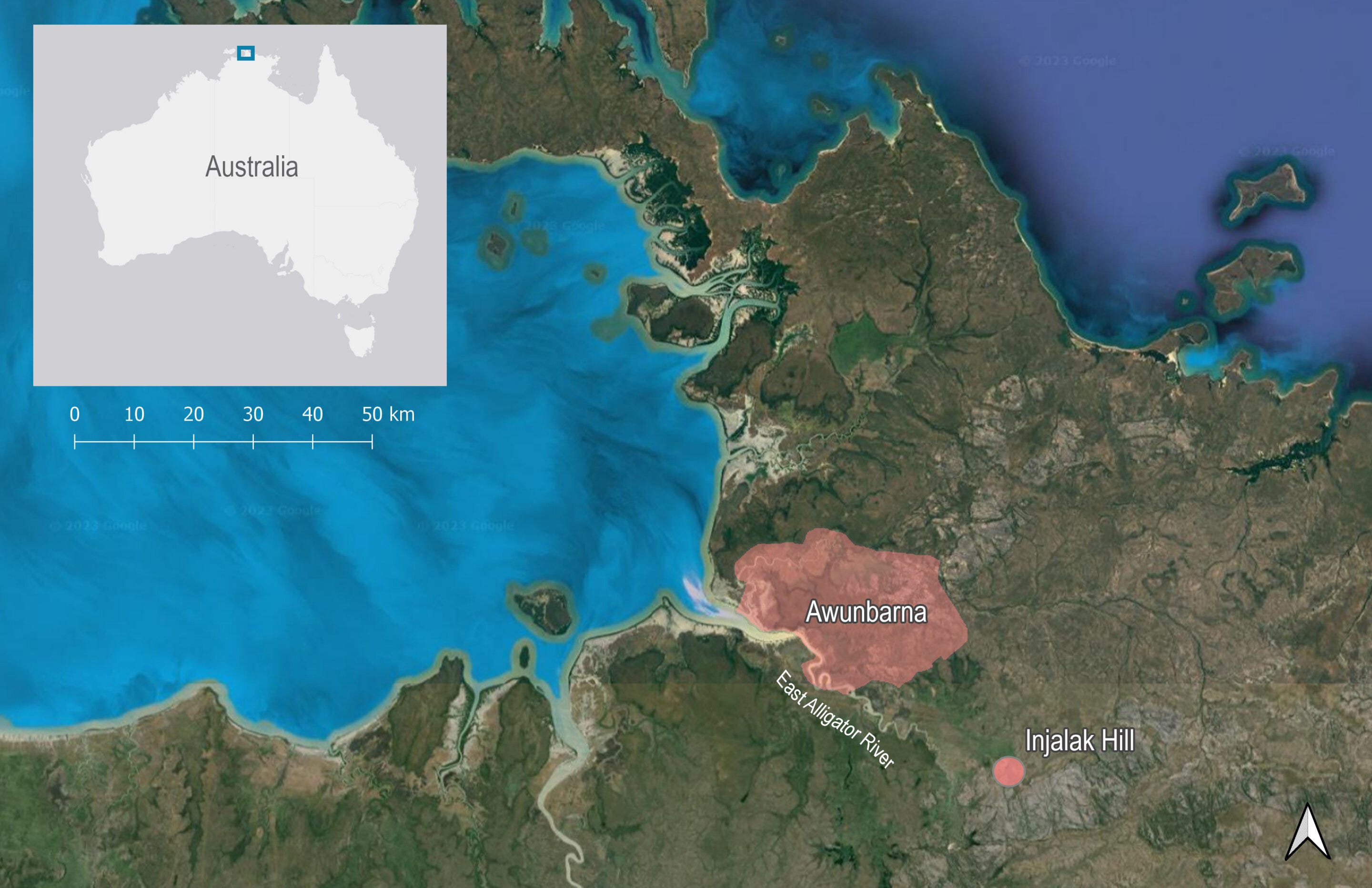
A new paper in Archaeology in Oceania1 doesn’t fully resolve that puzzle, but it adds to it in interesting ways. A team led by Paul Taçon of Griffith University, working in collaboration with Traditional Owners, has documented 14 previously undescribed paintings of Thylacinus cynocephalus and two of Sarcophilus harrisii at two sites in western Arnhem Land: Awunbarna (known to non-Aboriginal Australians as Mount Borradaile) and Injalak Hill, near Gunbalanya. The images span multiple art styles and potentially multiple millennia, and at least some of them may be less than a thousand years old.
That last point matters. The consensus extinction date for both species on mainland Australia sits around 3,000 years ago, probably driven by competition with dingoes arriving between 3,500 and 5,000 years BP, combined with hunting pressure and possibly climate change. White et al. (2018) placed the mainland extinctions for both species between 3,179 and 3,227 years BP. But a painting made in white kaolin pipe clay — which weathers quickly and rarely survives more than a few centuries on exposed sandstone — is a different kind of evidence. If the paintings are what the researchers think they are, someone in Arnhem Land was still putting these animals on rock long after the mainland extinction date.
Joey Nganjmirra identifies a thylacine. Credit: Andrea Jalandoni


