

The cities of the Classic Maya didn’t just fall. They emptied. Between roughly AD 750 and 900, the great centers of the southern lowlands — the places that had organized political life, ritual calendars, and monumental construction for centuries — were abandoned. The population collapse in northwestern Belize was severe enough that archaeologists have found essentially no evidence of anyone living in the southeastern Three Rivers Region between around AD 1000 and 1800. The jungle grew back. The plazas went quiet.
But people kept coming back.
Not to live. The evidence doesn’t suggest that. What they left behind is too sparse, too episodic: a scatter of incense burner fragments near a broken stela, a small pile of stacked stone, offerings pressed close to monuments that had been standing (or leaning, or fallen) for centuries before anyone visited again. These aren’t the traces of inhabitants. They look like the traces of pilgrims.
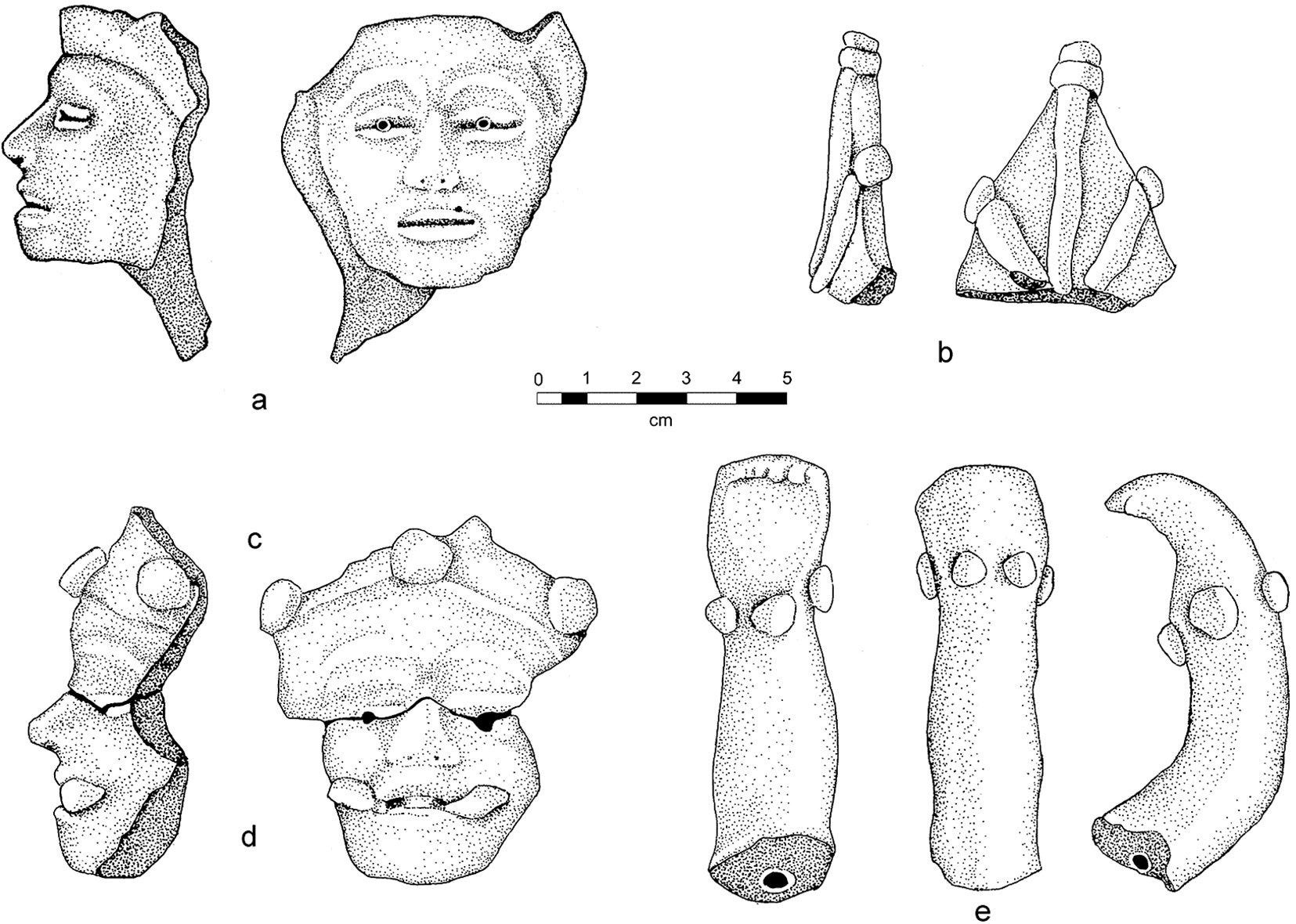
A new study1 by Victoria Ingalls and Brett Houk, published in Latin American Antiquity, adds two more sites to the accumulating picture of this Postclassic ritual landscape. At Kaxil Uinik and Ayiin Winik in northwestern Belize, excavations have turned up Late Postclassic offerings associated with reset Classic-period stelae — and, at Ayiin Winik, something that hadn’t been documented in this region before: an actual altar, built from scavenged limestone blocks, still surrounded by the ceramic fragments left on and around it.


