

The Arrowheads That Kept a Secret
At Umhlatuzana Rock Shelter in KwaZulu-Natal, archaeologists have been excavating a long and carefully layered record of human life. Among the finds are small quartz microliths, stone flakes shaped to be hafted onto arrows.
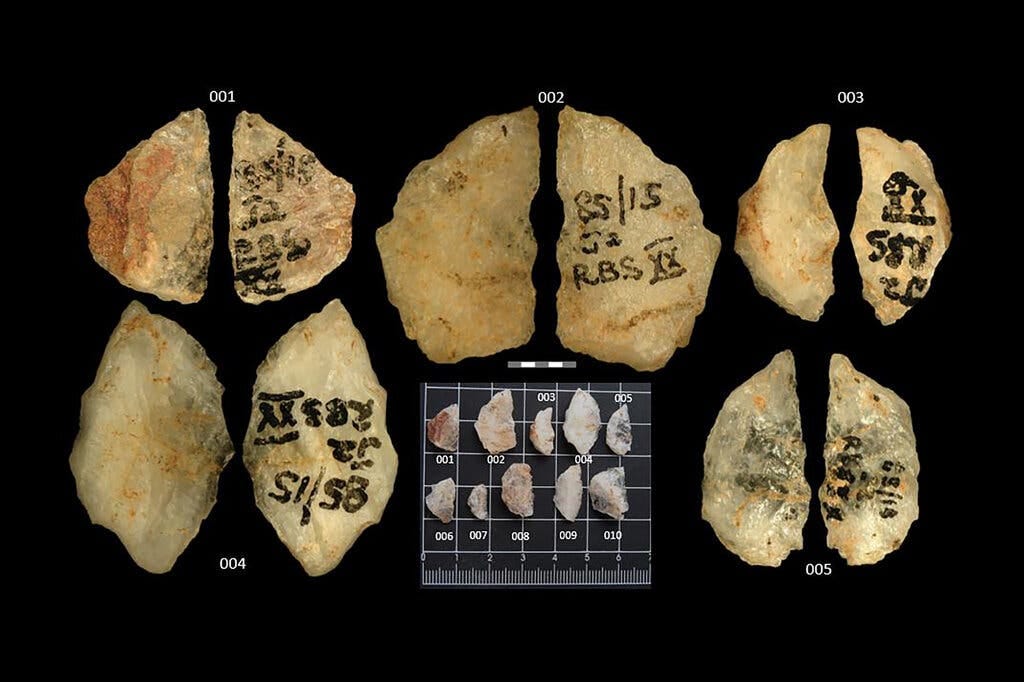
For decades, researchers suspected these tools were used with poison. The shapes fit. The wear patterns fit. What was missing was proof.
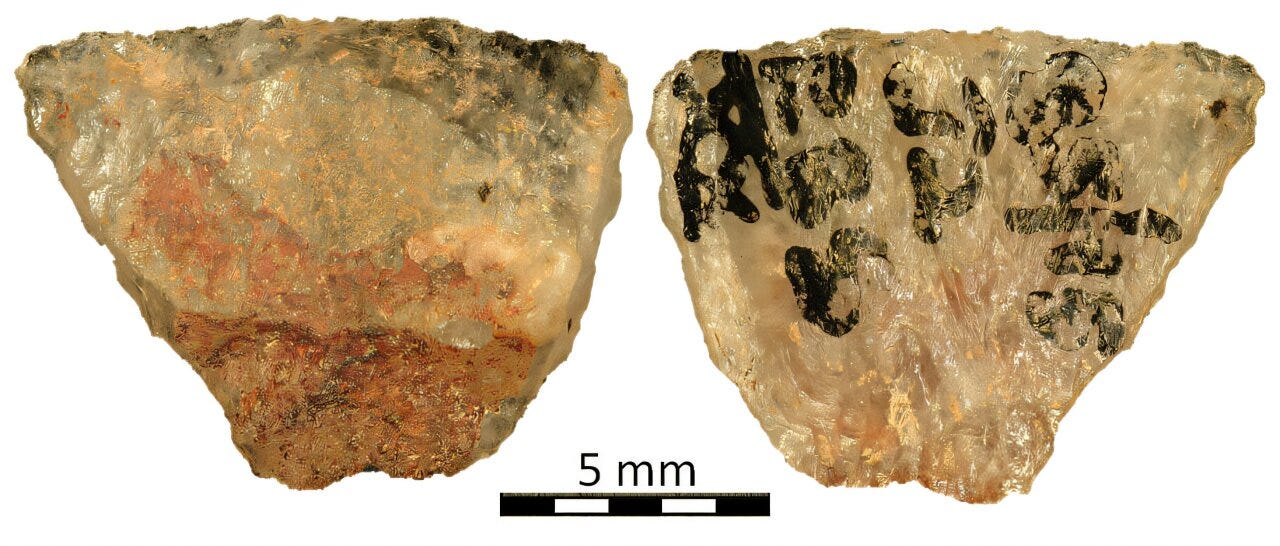
That proof has now arrived. In a study published in Science Advances,1 Sven Isaksson, Anders Högberg, and Marlize Lombard report chemical traces of toxic plant compounds still clinging to 60,000-year-old arrowheads.
“This is the oldest direct evidence that humans used arrow poison,” said Lombard. “It shows that our ancestors not only invented the bow and arrow much earlier than previously thought, but also understood how to use nature’s chemistry to increase hunting efficiency.”


