
Anthropology.net
Evolutionary Insights by Anthropology.net
The Pigs That Traveled
0:00
-11:58

Paid episode

The full episode is only available to paid subscribers of Anthropology.net

The Pigs That Traveled

How island hopping swine carry the genetic record of ancient human journeys across the Pacific

An Animal That Should Not Be There

Alfred Russel Wallace once drew a line across Indonesia. On one side lived Asian animals like monkeys and tigers. On the other were marsupials and cockatoos. Most species respected this boundary.
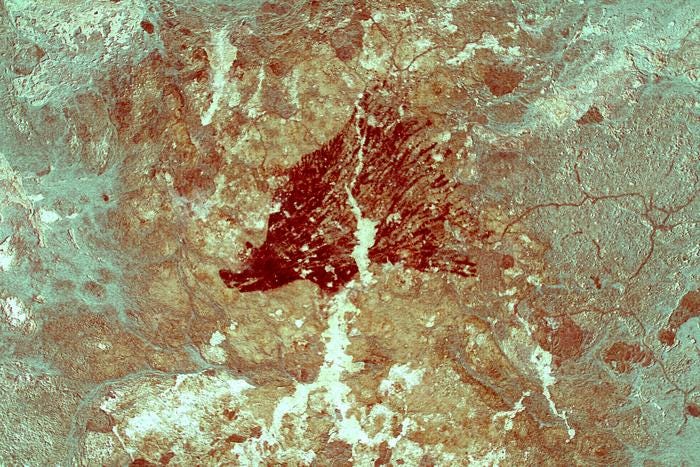
Prehistoric cave painting of two Sulawesi warty pigs, Leang Tedongnge Cave, Sulawesi, Indonesia. At least 45,000 years old, this is among the world’s oldest known cave art and illustrates the long-standing relationship between pigs and people in the region. CREDIT: Adam Brumm (Griffith University) and Adhi Agus Oktaviana (BRIN, Indonesia).

Pigs did not.

They appear on both sides of the Wallace Line and far beyond it, scattered across islands separated by deep water. They could not have swum these distances. Their presence has long hinted at human help, but the timing and scale of that help remained uncertain.

A new study in Science1 brings clarity by sequencing the genomes of more than 700 modern and ancient pigs from across Southeast Asia and the Pacific.

User's avatar

Continue reading this post for free, courtesy of Anthropology & Primatology.