

A Different Kind of Map
For more than a century, researchers have tried to draw a clean map of Homo sapiens origins on the African continent. Some models pointed to eastern Africa as the primary cradle of our species, its populations dispersing southward only in the last 50,000 years. Others argued for a more complex patchwork involving multiple connected regions.
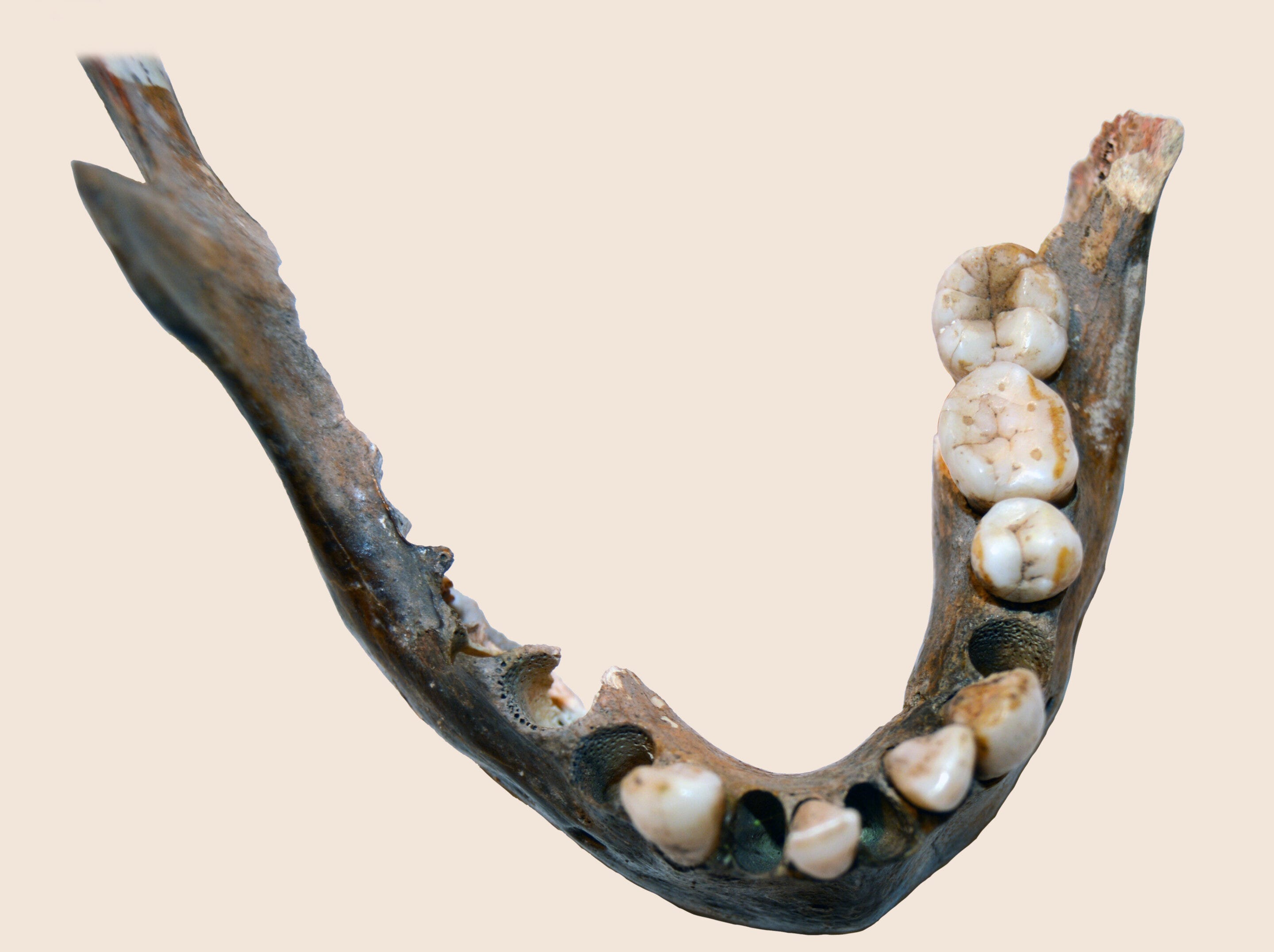
A new study published in Nature1 unsettles the simpler stories. By sequencing and analyzing genomes from 28 individuals who lived in southern Africa between 10,200 and 150 years ago, a team led by Mattias Jakobsson of Uppsala University reports that ancient southern Africans formed a distinct population that remained largely isolated for hundreds of thousands of years.
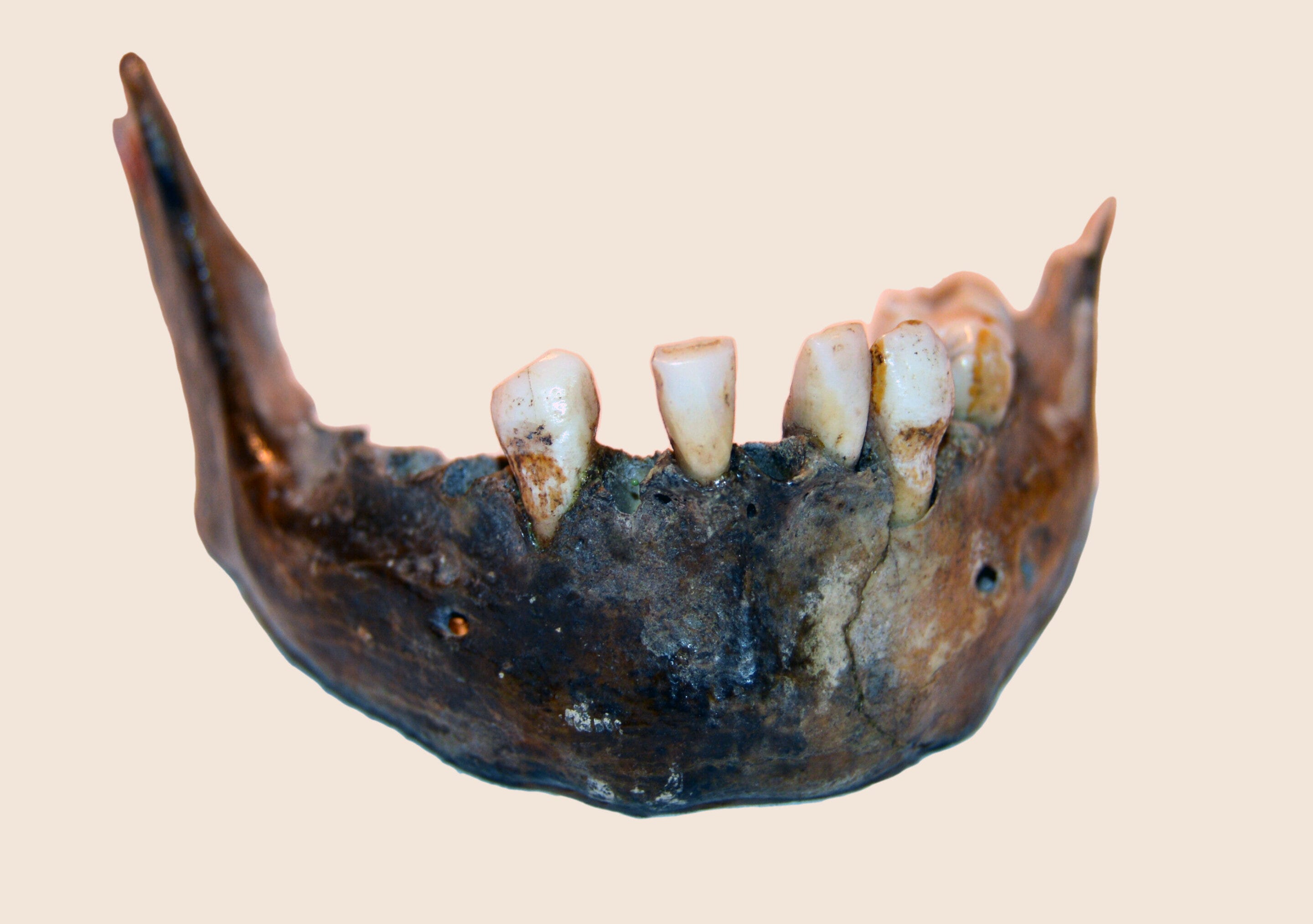
Isolation on that scale is not a footnote. It reshapes what it means to talk about the evolution of Homo sapiens as a single species.
“The genetic structure of these ancient individuals suggests a long-standing southern population that followed its own trajectory,” says Dr. Lena Hofmeyr, a genetic anthropologist at the University of Pretoria. “Human evolution did not proceed as one continuous river but as several branching streams.”


