

A Chronicle Hidden in Stone
Long before fields of wheat rippled across Mesopotamia, long before the first clay jars or domesticated goats, a slow drip of mineral-rich water in a Kurdish cave was building a memory. Over thousands of years, that steady drip formed a stalagmite inside Ghar-e-Shar Cave, trapping chemical traces of shifting rains, changing vegetation, and winds that once carried dust across the eastern Fertile Crescent.
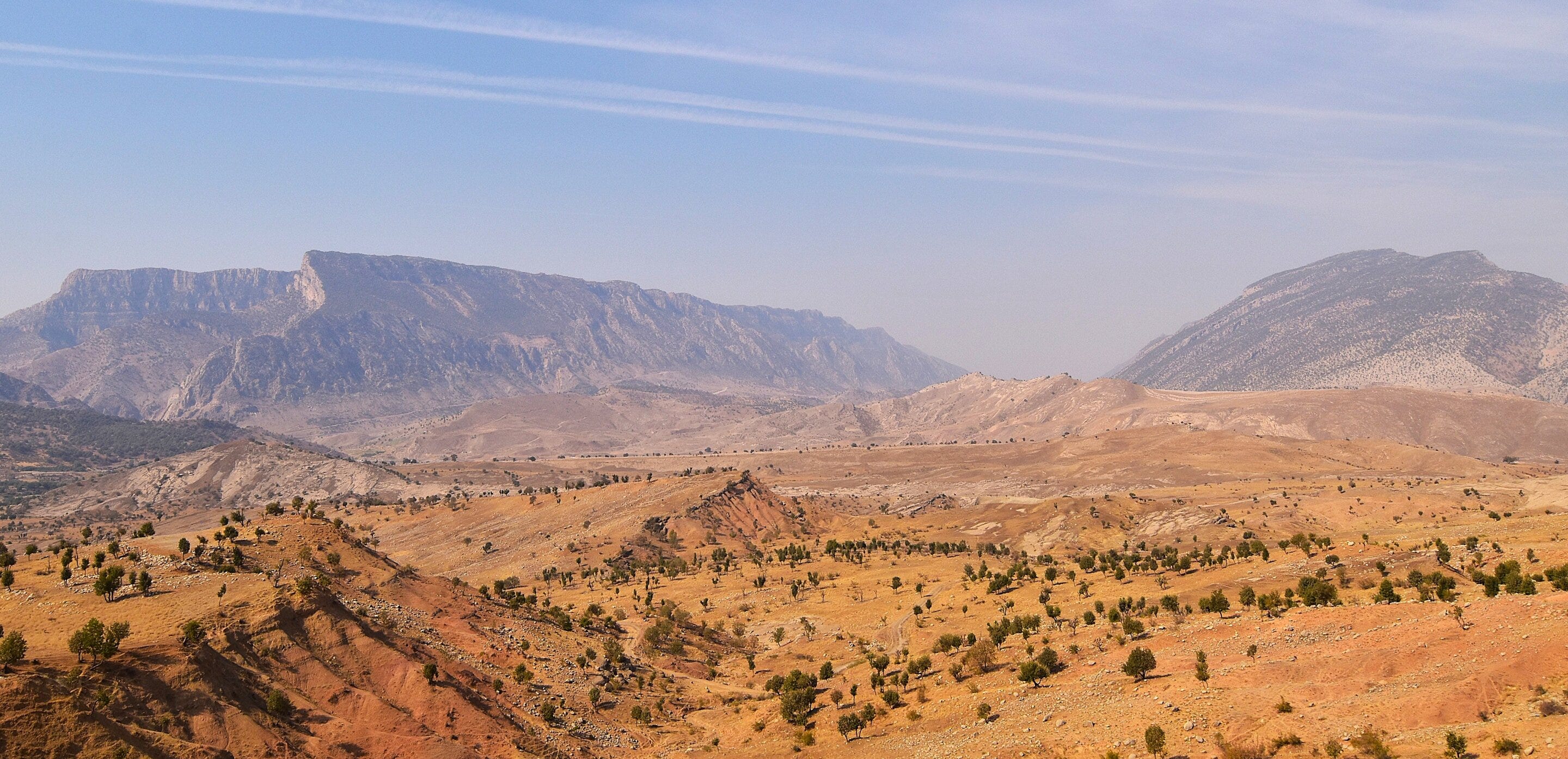
That solitary column of calcite has now become one of the region’s most revealing archives. In a new study published in PNAS,1 an international team reports a continuous climate record spanning 18,000 to 7,500 years ago, precisely the period when Homo sapiens shifted from mobile hunting to the earliest farming cultures. Their findings suggest that the eastern edge of the Fertile Crescent did not become an agricultural heartland because conditions encouraged it. Instead, climate volatility may have delayed farming there and shaped a different trajectory for early communities.
“The stalagmite captures an environmental tempo that was far less forgiving than previously assumed,” says Dr. Neda Rahimi, a paleoclimatologist at the University of Tehran. “Its chemistry carries the signature of communities negotiating constant uncertainty.”


