

A Campsite Built for Returning
Terra Amata sits above modern Nice, pressed between hills and what was once a marshy delta along the Mediterranean coast. Today it is hemmed in by urban sprawl. Four hundred millennia ago, it was a place people came back to.
Again and again.
The site preserves traces of repeated, seasonal occupations by early humans, almost certainly Homo heidelbergensis or a closely related population. These groups built windbreaks or huts, controlled fire, and organized their activities across a shoreline landscape that offered food, water, and stone in abundance.
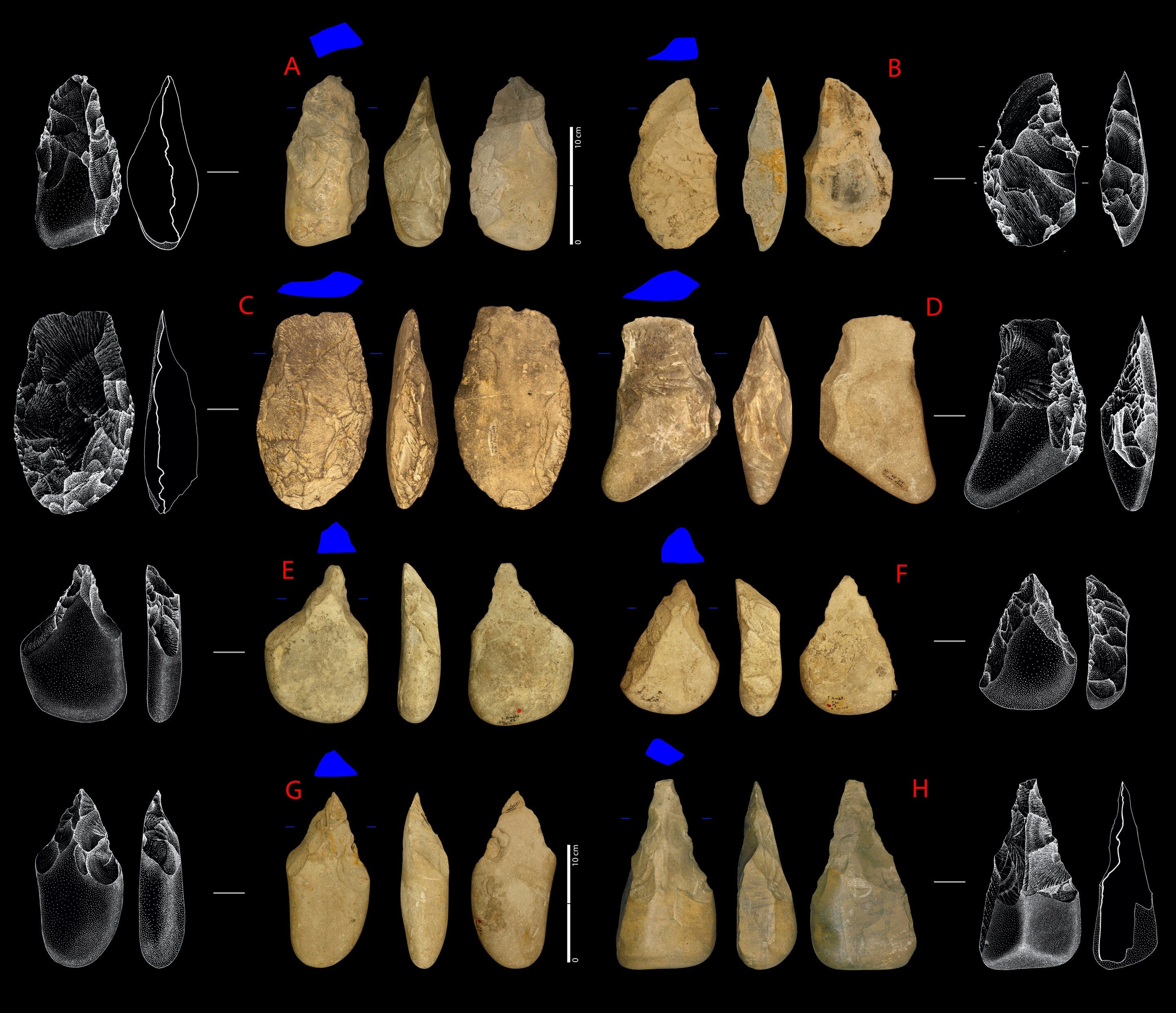
Yet abundance did not lead to carelessness.
Instead, the stone tools from Terra Amata show1 a pattern of deliberate restraint and flexibility that complicates old assumptions about early European technology.
“Terra Amata demonstrates that technological sophistication does not always announce itself through elaborate tools,” observes Dr. Julien Moreau, a Paleolithic archaeologist at the University of Bordeaux. “Sometimes it appears in decisions about when not to invest effort.”


